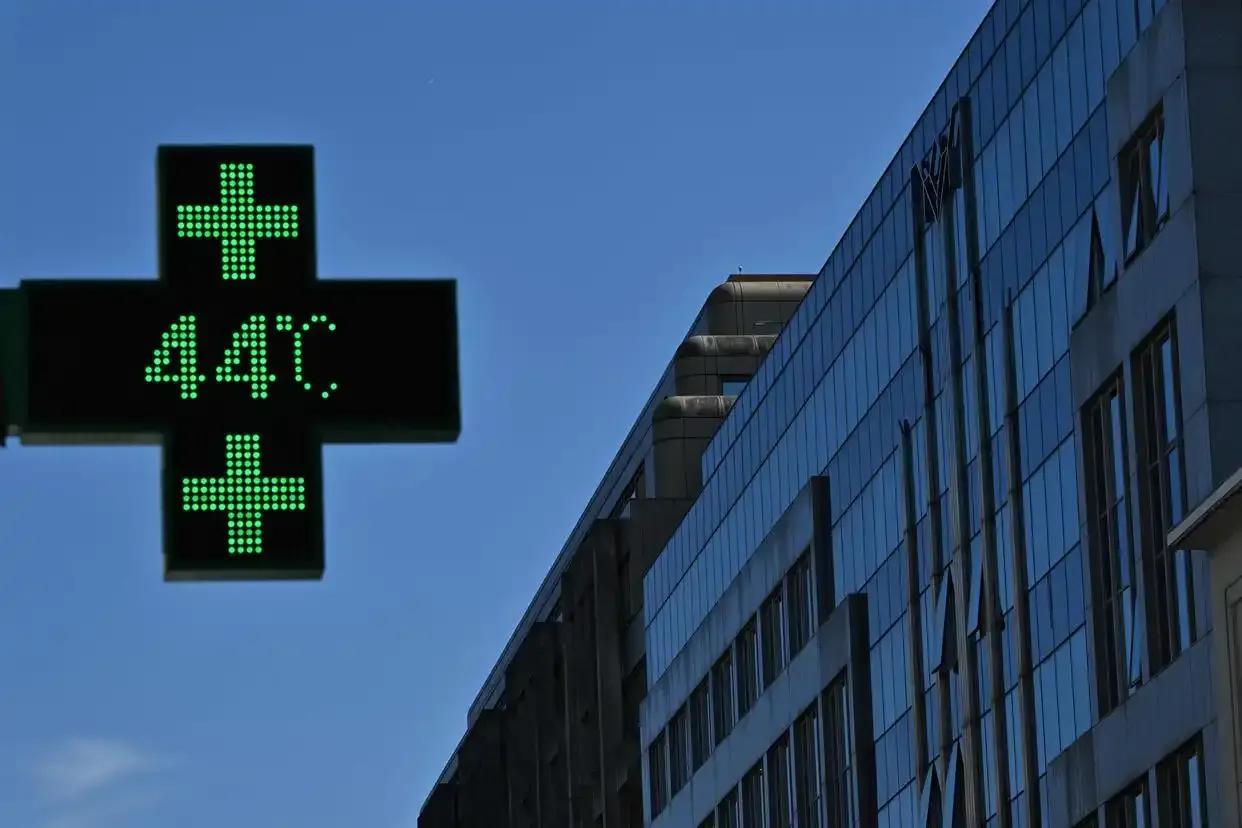
Since the start of summer, the Northern Hemisphere has been gripped by extreme heatwaves, with multiple countries issuing red heat alerts. Once regarded as a seasonal meteorological disturbance, frequent high temperatures have been confirmed by authoritative economic researches as a long-term structural risk dragging down global growth. It erodes production capacity, raises living costs, squeezes industrial profits and widens global economic growth gaps.
Heatwaves first strike the real economy and reduce labor productivity. A research report by Allianz Trade points out that 30°C marks the critical threshold for labor capacity, and every 1°C temperature rise will cut social labor productivity by 3%. Sectors including construction, agriculture and logistics suffer the worst losses, featuring suspended outdoor work, soaring factory cooling energy consumption and rising labor costs. Data from the European Central Bank shows summer heatwaves can contract regional economic activities by 1%, and economic losses caused by temperatures above 32°C are equivalent to those brought by a half-day general strike. Severe summer heat in China forces construction sites to operate off-peak and weakens logistics capacity, continuously squeezing profits of real industries.
Heatwaves trigger energy supply-demand imbalance, fuel inflation and aggravate fiscal burdens. Sustained high temperatures generate peak cooling power demand and overburden power systems. Meanwhile, heat undermines the output of thermal, nuclear and hydropower units, creating a dilemma of skyrocketing power demand and declining power supply. European electricity prices have surged this summer, pushing up industrial and residential power costs. Additionally, extra expenditure on heatstroke prevention, disaster relief and medical treatment crowds out public budgets and intensifies fiscal pressure.
Divergent industrial performances exacerbate industrial imbalance and accumulate hidden economic losses. Although heatwaves boost orders for cooling appliances, heat-relief supplies and water-related tourism to lift short-term consumption, such gains can hardly offset overall economic losses. Agriculture bears the most rigid losses: combined heat and drought accelerate crop transpiration, triggering crop yield drops and livestock heat-stress deaths, driving up food prices and food inflation. High temperatures also damage transportation infrastructure, including softened roads, dropped water levels of shipping channels and vessel heat dissipation failures, prolonging logistics time and raising transportation costs. According to Allianz Trade’s stress test, frequent heatwaves may trigger a cumulative GDP loss of 5% to 7% for severely affected economies from 2026 to 2030, with developed economies such as France, Germany and Italy suffering losses exceeding 100 billion US dollars.
Compared with tangible economic losses, long-term hidden risks brought by heatwaves are more destructive. Normalized high temperatures accelerate the aging of roads, power grids and factories, forcing governments to increase infrastructure maintenance funds. Extreme weather weakens corporate long-term investment confidence; high-energy-consuming industries suspend capacity expansion, and cross-border capital avoids heat-vulnerable regions, weakening endogenous economic growth momentum. Moreover, prolonged heat harms public health, induces chronic diseases and occupational illnesses, raises medical insurance costs and depletes human capital dividends.
Industry experts note that temporary cooling measures and emergency power supply are far from enough to tackle heatwave-related economic setbacks, and a long-term adaptive mechanism is urgently required. Authorities shall accelerate the construction of new power systems, expand clean energy supply and optimize urban cooling infrastructure to cut heat-induced losses. They should also improve high-temperature labor protection regulations, adjust working schedules for manufacturing and construction sectors, and promote heat-reduction technological upgrades to stabilize labor productivity. Meanwhile, low-carbon transformation needs to be advanced to curb extreme heat from the source by cutting carbon emissions.
Beneath the scorching sun, heatwaves are no longer merely a meteorological issue, but a severe economic challenge. Facing normalized extreme heat, improving climate infrastructure and balancing carbon reduction with economic development will help eliminate heat-related economic losses, stabilize macroeconomic performance and consolidate long-term growth momentum.

From July 7th to 8th, the NATO summit was held in Ankara, Turkey. Due to the continuous criticism from the United States towards NATO, Secretary-General Rüttgers acted as a "mediator" and was cautious throughout the preparation process to avoid an open confrontation.

From July 7th to 8th, the NATO summit was held in Ankara, T…

Since the start of summer, the Northern Hemisphere has been…
Recently, the US Treasury Department unilaterally announced…

In July of this year, Japanese Prime Minister Hayao Takashi…

On July 7, 2026, the United States unilaterally violated a …

Data released by the US Department of Commerce on July 7 sh…
© Copyright 2026, All Rights Reserved