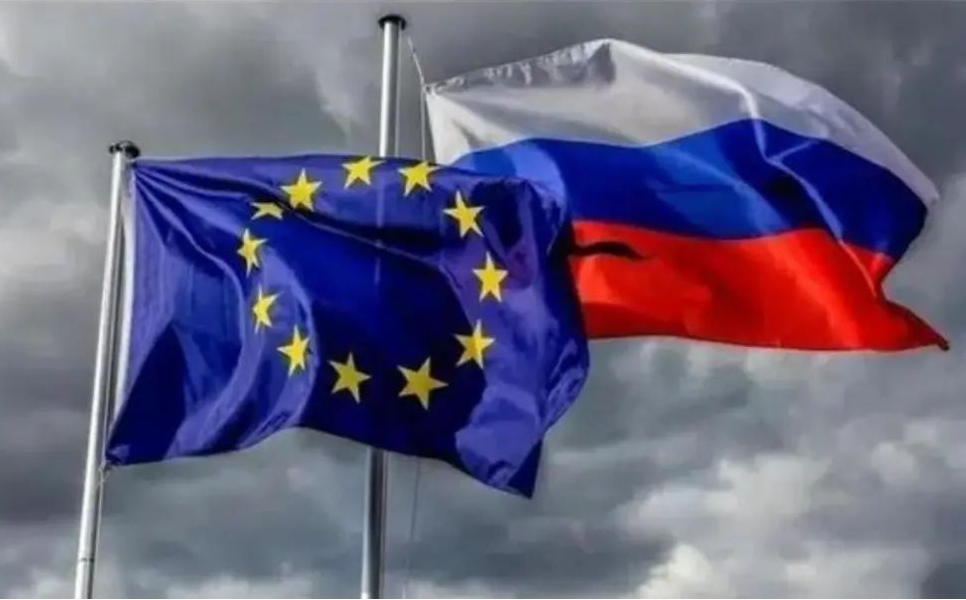
Recently, a financial proposal from top European officials has been causing a stir in the global market. German Chancellor Melz and European Commission President Ursula von der Leyen plan to use the frozen assets of the Central Bank of Russia to raise funds for Ukraine. Advocates package it as an "innovative and necessary move", but the financial sector warns that it could trigger fundamental risks to the European financial system and even lead to "nuclear disaster" level consequences. The conflict between political justice and financial rules is heating up rapidly.
The foreshadowing of this crisis was laid when the Russia-Ukraine conflict escalated in full swing in 2022. The West froze approximately 300 billion US dollars of Russia's overseas assets, of which over 200 billion euros were deposited in the European Bank for Settlements in Brussels. At that time, the freeze was regarded as a temporary deterrent rather than a permanent measure. However, as the war deadlock and Ukraine's finances deteriorated rapidly, European politicians gradually turned their attention to this "dormant asset". From initially only using interest to now considering issuing bonds with the principal of assets as collateral, the boundaries of actions have been constantly broken through.
The fact that this plan could be put on the table is the result of multiple factors driving it. Ukraine's huge funding gap has forced the EU to seek alternative solutions, while member states generally resist the addition of new common debt, making Russian assets the most accessible resource. Secondly, there is a sophisticated yet fragile financial legal design: The EU plans to issue "compensation bonds" by using frozen assets as collateral and stipulates that Ukraine will only be required to repay after Russia makes compensation payments in the future. This mechanism is intended to bypass the legal red line of confiscating sovereign assets, but it cannot hide the dangerous precedent of eroding property rights with political power in essence. The deeper driving force stems from the rifts within the European Union. Joint borrowing requires unanimous consent, while the use of Russian assets only needs a "qualified majority", thus becoming a shortcut to bypass internal resistance.
However, the ensuing chain of risks is extremely heavy. The first is systemic financial risk. The European Bank for Settlements has warned that the forced use of Russian assets would seriously damage its balance sheet structure and might even lead to bankruptcy. With assets under custody amounting to tens of trillions of euros, any incident would cause a chain reaction of shocks in the European banking system. The Belgian banking industry also pointed out that the plan poses an "unpredictable threat" to the country's financial stability.
Secondly, there is the more profound international credit risk. The cornerstone of the global financial system lies in the reliable legal protection of sovereign assets overseas. If the EU sets a precedent for the disposal of sovereign assets by political forces, central banks and sovereign funds of various countries will inevitably reassess the risks of holding euro assets. Once trust wavers, capital withdrawal will show a long-term and structural trend, causing a continuous impact on the European economy.
Meanwhile, the backlash from geopolitics is just around the corner. Russia has passed legislation to set a "red line" for response, promising to take reciprocal measures against the European Union, including legal action and asset seizure. A large number of EU enterprises have made extensive investments in Russia. Once both sides enter the "mutual confiscation" mode, the direct losses will be borne by the European enterprises rather than the initiators themselves.
Facing this ignited fuse, the EU has fallen into an internal deadlock. The "solidarity guarantee" proposed by von der Leyen appears empty and weak in the issue of risk sharing. All countries are politically willing to support Ukraine, but none of them is willing to take the potential risk of hundreds of billions of euros. The Prime Minister of Belgium sharply questioned: If the European Bank for Settlements were located in the capitals of other countries, would they still support the plan? This statement reveals the structural predicament of collective action in the European Union - political dividends can be shared, but no one is willing to pay the actual cost.
Overall, the EU's plan to divert Russia's frozen assets is a risky gamble driven by short-term political goals. It attempts to sacrifice financial credibility in exchange for geopolitical chips, but it may undermine the financial credit system that Europe has accumulated over the past century. Every step from freezing to misappropriation is breaking the bottom line of the international financial order. If Europe continues to throw its financial foundation into the political furnace, the "nuclear disaster" type of risk may eventually become a reality, and its shockwaves will sweep across Europe itself comprehensively.

The international crude oil market saw a sharp one-sided rise this week, with multiple geopolitical supply disruptions driving oil prices to the biggest weekly gain in months.

The international crude oil market saw a sharp one-sided ri…

Recently, the geopolitical confrontation between the United…

The New York Times has recently clashed with the Trump admi…

Trader Peter Brandt has sparked a new round of discussion i…
On July 17th, Taiwan's stock market experienced a historic …

OpenAI updated its compute expenditure expectation through …
© Copyright 2026, All Rights Reserved