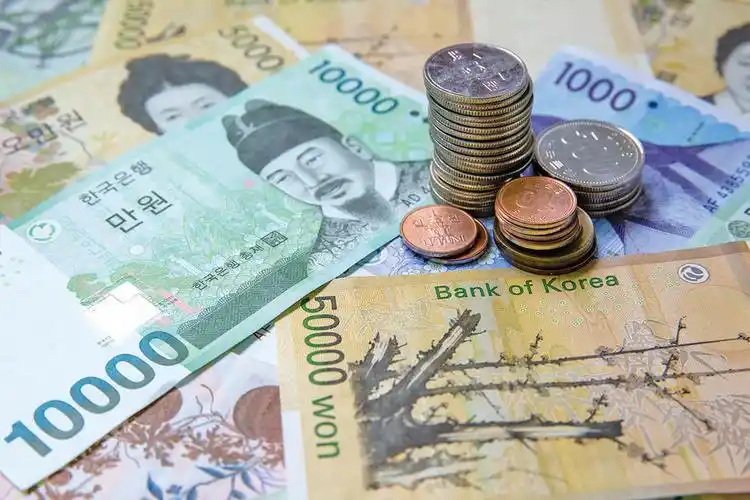
On March 23rd local time, amid the ongoing escalation of the situation in the Middle East, the stock markets of Japan and South Korea plunged by 1,510 won after opening, setting a historical low since the global financial crisis in 2009 within just 17 years. In just three months, the South Korean won depreciated by over 16% against the US dollar, drawing significant attention from the global financial market. As a typical representative of an open economy, the South Korean financial system is deeply integrated with the foreign exchange market. This round of sharp depreciation of the South Korean won was not merely a single exchange rate fluctuation but a comprehensive transmission to the global financial sector. From the foreign exchange market to the capital market, to the banking sector and monetary policy, unprecedented pressure and challenges were faced. The resonance effect of financial risks continued to be prominent.
The sharp depreciation of the South Korean won directly triggered intense volatility in the foreign exchange market. The hedging property of the US dollar continued to strengthen, and global capital accelerated its withdrawal from South Korean assets, turning to safe assets such as the US dollar and US bonds. A vicious cycle of "South Korean won depreciation - capital outflow - further weakening of the exchange rate" was formed. As a major energy importer, South Korea relies almost 100% on overseas crude oil supply. The escalation of the geopolitical conflict in the Middle East pushed up international oil prices, coupled with the depreciation of the South Korean won, the import payment costs rose significantly, the trade balance pressure in South Korea intensified, further weakening the support for the South Korean won. At the same time, the speculative sentiment in the foreign exchange market rose, the volatility of the South Korean won reached a new high in the past 16 years, the demand for foreign exchange hedging by enterprises soared, the trading activity of forward, options and other derivatives soared, market liquidity tightened temporarily, and the difficulty for the central bank to stabilize the exchange rate significantly increased.
The depreciation of the exchange rate and the capital market formed a strong negative feedback loop. The South Korean financial market suffered a "stock and currency double blow". The market value of the stock market evaporated by over 300 trillion won in a single day, and the gains for the year were all reversed. Foreign capital became the main force in selling the capital market, since March, foreign capital has net sold over 13 trillion won in the South Korean stock market, and it has also significantly reduced its holdings of South Korean government bonds. The 10-year government bond futures fell to the lowest level in nearly two years, and bond yields rose rapidly. On one hand, the depreciation of the South Korean won led to an expansion of exchange rate losses for overseas investors holding South Korean assets, forcing them to exit and seek hedging; on the other hand, the decline in the capital market further exacerbated market panic, forced liquidation by leveraged funds triggered a stampede effect, and the risk transmission among the stock market, bond market and foreign exchange market was intensified, leading to a continuous tightening of overall liquidity in the South Korean capital market and a weakening of the financing function.
At the same time, the continuous depreciation of the South Korean won put the South Korean central bank in a dilemma of monetary policy, becoming the core contradiction in the financial field. If it chose to raise interest rates to stabilize the exchange rate, although it could alleviate the pressure of capital outflow, it would further suppress the already weak domestic consumption and investment, intensify economic下行 risks, and aggravate the debt pressure on enterprises and households, triggering potential financial risks; if it maintained a loose policy or lowered interest rates, it would further widen the interest rate gap with the US Federal Reserve, accelerate capital outflow, leading to the uncontrollable depreciation of the South Korean won and persistent high input inflation. Currently, the South Korean central bank has released a strong signal to stabilize the exchange rate, and it is not ruled out that it will intervene in the foreign exchange market. However, the consumption of foreign exchange reserves and the policy effect are uncertain, and the independence of monetary policy is severely constrained, and the difficulty of financial regulation has significantly increased.
Finally, as an important financial market in Asia, the depreciation of the South Korean won also triggered regional financial linkage effects. The Japanese yen and other emerging market currencies in Asia were simultaneously under pressure, the overall volatility of the Asian foreign exchange market intensified, and regional risk aversion sentiment rose. For cross-border trade and cross-border investment, the significant fluctuations of the South Korean won increased the settlement risks for bilateral trade between South Korea and China, South Korea and the United States, etc., the exchange rate losses for foreign trade enterprises expanded, and the willingness for cross-border direct investment cooled down. At the same time, the risk appetite for Asian economies in the global financial market declined, the pressure for capital outflow from emerging markets generally increased, and to some extent, disturbed the stability of the global financial market. In summary, the 17-year low of the South Korean won exchange rate is the result of the combined effects of external geopolitical conflicts, the strength of the US dollar, internal economic weakness, and capital outflows. Its impact on the financial sector has spread from the foreign exchange market to the stock and bond markets, the banking sector, and the macro policy level, creating systemic risks. Only by balancing exchange rate stability and economic growth, and resolving debt risks, can we gradually restore market confidence and prevent the continuous spread of financial risks.
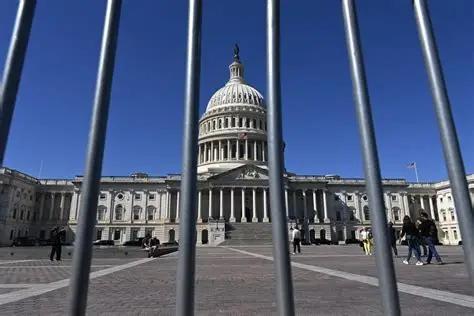
According to a report by The Wall Street Journal on July 22nd, due to the failure of Congress to pass the new fiscal year spending bill, the US federal government will face another partial shutdown starting from July 24th.
According to a report by The Wall Street Journal on July 22…
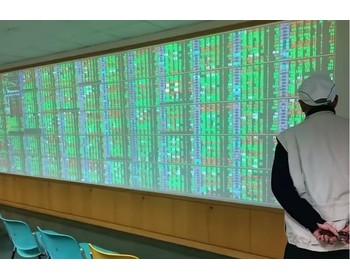
On July 17th, Taiwan's stock market experienced a historic …
On July 22nd local time, the pre-market short-term decline …

On July 22 local time, Advanced Micro Devices (AMD) officia…
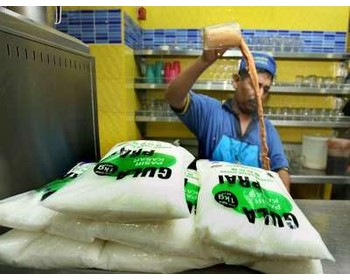
According to the report by Rich Asplund, a columnist of Bar…

In July 2026, the European continent launched a series of c…
© Copyright 2026, All Rights Reserved