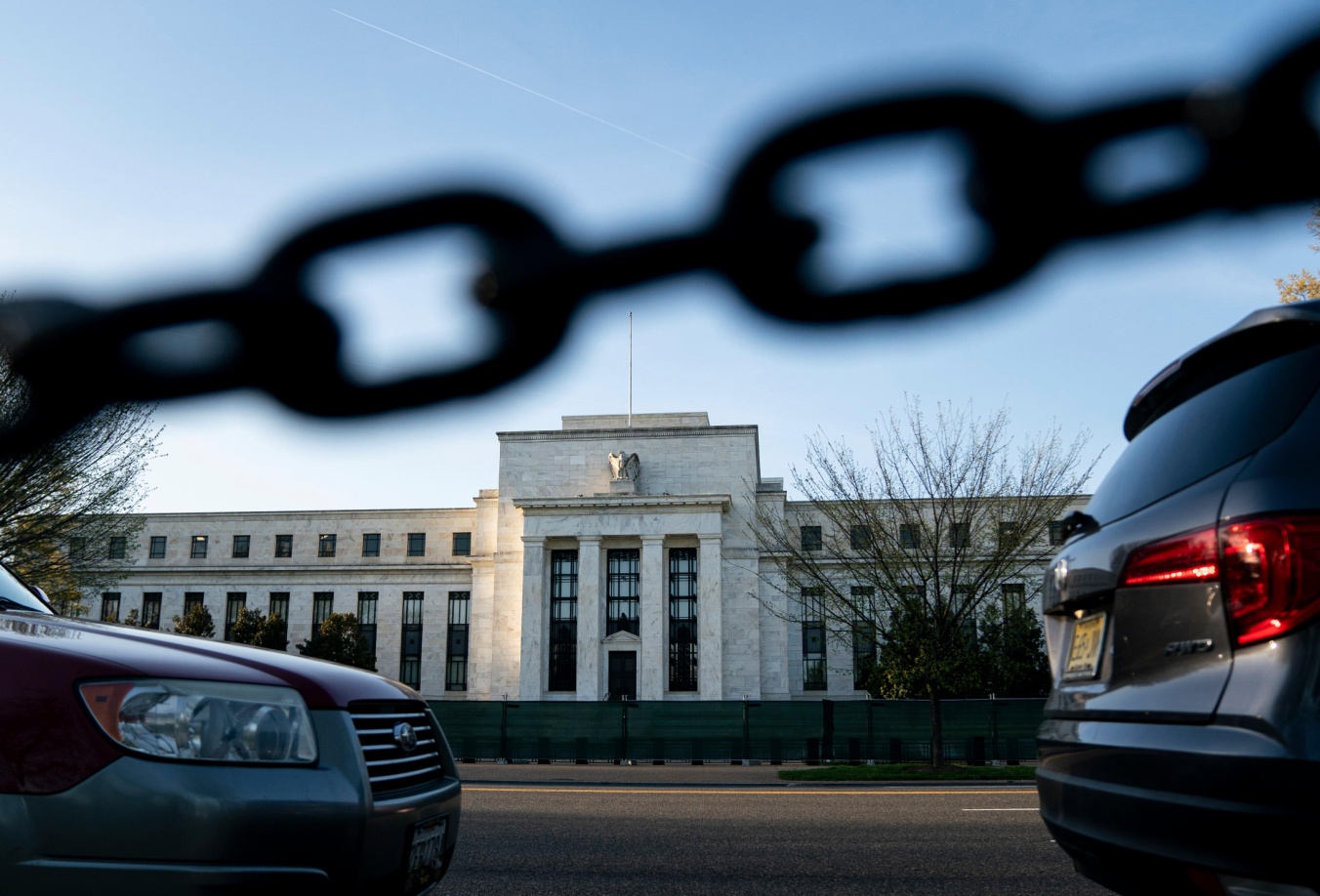
On June 29 local time, the U.S. Supreme Court rejected the President’s unilateral attempt to dismiss Federal Reserve Governor Lisa Cook in a 5–4 ruling. The judgment clarifies that the President may only remove Fed governors for legally defined “just cause” and cannot interfere with central bank personnel appointments or monetary policy decisions merely over policy disagreements. This landmark judicial ruling closes the judicial loopholes in the institutional safeguards of U.S. central bank independence, bars arbitrary administrative intervention in macroeconomic regulation, and solidifies the institutional foundation for the Federal Reserve’s monetary policy autonomy. It has stabilized long-term expectations for global dollar assets, U.S. Treasury yields and capital markets, emerging as a profoundly significant institutional event in the global macro-financial landscape of 2026.
The dispute originated in August 2025, when the U.S. administration unilaterally announced Governor Cook’s dismissal on the grounds of disclosure irregularities prior to her appointment, without conducting a formal hearing or granting her due process of defense. Cook filed a lawsuit against the administrative overreach. Lower federal courts issued preliminary injunctions ruling that the dismissal violated administrative authority and upheld her right to remain in office, prompting an appeal to the Supreme Court. Notably, the ruling establishes a critical distinction: while the President retains discretion to remove officials from ordinary federal regulatory agencies, the Federal Reserve is designated as a special exception. The Court’s opinion emphasizes that the Fed’s core mandates—inflation regulation, employment stabilization and U.S. dollar credit preservation—would be fundamentally compromised if the central bank were politicized for short-term administrative policy goals, triggering systemic financial risks.
Enacted in 1913, the Federal Reserve Act established the basic framework for the Fed’s independent operation through institutional designs including staggered 14-year governor terms and restricted presidential removal authority. However, the absence of clear judicial definitions of “just cause” for dismissal has long created gray areas for power contention. This ruling sets binding rigid rules: past civil discrepancies unrelated to official duties and pure differences in policy philosophy do not constitute legitimate grounds for removal. Any administrative dismissal must follow complete evidentiary and hearing procedures, with removal permitted only for gross negligence, dereliction of duty or other conduct that severely undermines the central bank’s credibility. Financial history shows that administrative interference in Fed policy during the Nixon era forced premature monetary easing, triggering the prolonged stagflation crisis of the 1970s, characterized by runaway inflation, volatile interest rates and drastic capital market swings. The latest judicial ruling effectively prevents the recurrence of such historical mistakes.
Global financial markets have swiftly priced in the ruling, with long-term stability expectations markedly improved. The U.S. Treasury market saw the most pronounced response, as the yield on the 10-year U.S. Treasury note declined steadily and long-term inflation risk premiums narrowed substantially. Markets had long feared that arbitrary administrative replacement of Fed policymakers would pressure the central bank to abandon its anti-inflation stance and adopt accommodative policies, pushing up long-term inflation expectations and U.S. financing costs. The landmark judgment eliminates this tail risk, effectively easing the interest burden of America’s massive national debt and supporting a steady recovery of the U.S. Treasury yield curve.
Equity and foreign exchange markets also registered positive adjustments. The U.S. Dollar Index edged lower, non-U.S. currencies rebounded moderately, and the three major U.S. stock indexes trended upward, led by technology growth stocks. The market’s core rationale is clear: consolidated Fed independence anchors monetary policy firmly to economic data, centered on inflation and employment indicators, rather than short-term political demands, greatly enhancing the predictability of interest rate cycles. Frequent market volatility in recent years has stemmed largely from uncertainties surrounding administrative intervention in monetary policy. This ruling reshapes policy expectations and lays a stable institutional foundation for long-term institutional asset allocation.
Globally, the ruling bolsters the U.S. dollar’s status as the world’s dominant reserve currency. The dollar’s global primacy relies not only on the size of the U.S. economy but also on the credible, neutral monetary policy framework underpinned by Fed independence. Frequent political interference in Fed policy would prompt global central banks to accelerate U.S. Treasury divestments and diversify foreign exchange reserves, disrupting the global dollar settlement and liquidity system. As a binding judicial precedent, the ruling sends a strong global signal that the institutional stability of dollar assets is judicially endorsed, slowing the pace of global de-dollarization and stabilizing cross-border capital flows.
Furthermore, the ruling profoundly shapes the Fed’s monetary policy trajectory for the second half of the year. As the annual Sintra Central Banking Forum convenes, global central banks are debating persistent inflation pressures and interest rate outlooks. Markets previously worried that administrative pressure would force the Fed to cut interest rates prematurely amid sticky inflation, interrupting the anti-inflation tightening cycle. With reinforced institutional protection for Fed officials, policymakers are insulated from administrative interference and able to maintain data-driven, restrictive monetary policy to curb inflation. Market expectations for aggressive early rate cuts have been revised, aligning interest rate pricing more closely with economic fundamentals.
Despite dissenting judicial opinions and potential ongoing administrative contention, the landmark ruling creates a long-term binding precedent that substantially raises the legal threshold for political interference in the Fed and is irreversible in the short term. Essentially, this personnel-related judicial decision represents a definitive consolidation of U.S. central bank independence. It eliminates policy uncertainty, anchors long-term inflation and interest rate expectations, stabilizes U.S. Treasury and equity markets, and builds a solid institutional pillar for global financial stability, standing as one of the most definitive and positive macro-financial developments of the year.
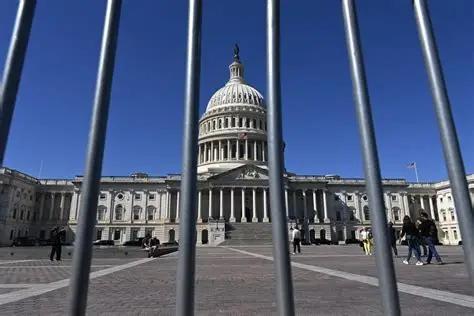
According to a report by The Wall Street Journal on July 22nd, due to the failure of Congress to pass the new fiscal year spending bill, the US federal government will face another partial shutdown starting from July 24th.
According to a report by The Wall Street Journal on July 22…

On July 17th, Taiwan's stock market experienced a historic …

On July 22nd local time, the pre-market short-term decline …

On July 22 local time, Advanced Micro Devices (AMD) officia…

According to the report by Rich Asplund, a columnist of Bar…

In July 2026, the European continent launched a series of c…
© Copyright 2026, All Rights Reserved