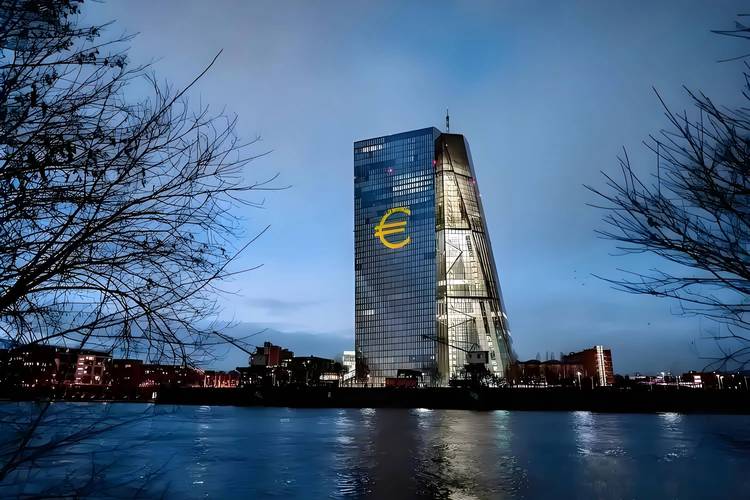
On June 11, 2026, the European Central Bank (ECB) unveiled its monetary policy decision and officially launched a rate hike cycle. The deposit facility rate was raised by 25 basis points to 2.25%, and the main refinancing rate was lifted by the same margin to 2.40%. This marks the ECB’s first rate increase since July 2023, putting an end to the eurozone’s nearly three-year loose monetary policy. It is also the first rate hike among G7 economies in 2026, ushering in a critical phase of monetary tightening across major central banks worldwide.
The primary driver behind this move is persistently high inflation in the eurozone, which has deviated sharply from the 2% policy target. Data from Eurostat shows that the euro area’s Harmonised Index of Consumer Prices (HICP) surged to 3.2% year-on-year in May, hitting the highest level since September 2023 and well above the market consensus of 2.8%. Core inflation, which excludes volatile energy and food items, climbed to 2.5% from 2.3% in April, indicating that price pressures have spread from the energy sector to services and consumer goods. Escalating geopolitical tensions in the Middle East are a major contributor. Confrontations between relevant parties have disrupted shipping through the Strait of Hormuz, stoking global crude supply risks. The price of Brent crude has jumped nearly 40% since the tensions flared, and energy prices in the eurozone rose 10.9% year-on-year, becoming a key driver of inflation. Of greater concern to the ECB is that corporate input costs have expanded at the fastest pace in three and a half years, while inflation expectations among households and businesses keep rising. A wage-price spiral would make inflation far harder to contain, and the lessons learned from runaway inflation back in 2022 remain fresh in memory.
Against the backdrop of soaring inflation, the eurozone economy has shown obvious weakness, with stagflation risks mounting and putting the ECB in a dilemma. The eurozone’s May Purchasing Managers' Index (PMI) fell to 47.5, a 18-month low, reflecting shrinking new orders and weak consumer sentiment. The regional GDP grew by a mere 0.1% in the first quarter, pointing to fading recovery momentum. While rate hikes help curb inflation, they will push up corporate financing costs, dampen consumer demand and further weigh on economic growth. Divisions have emerged within the ECB: hawkish members warn against unanchored inflation and call for decisive tightening, whereas doves fear excessive austerity will drag the eurozone into a recession. Ultimately, the ECB opted for a moderate 25-basis-point hike to strike a balance between taming inflation and stabilizing growth, avoiding the drastic market volatility triggered by aggressive rate increases in 2022.
Market participants had fully priced in the move ahead of the announcement, with the probability of a 25-basis-point hike standing at 97%. Investors have shifted their focus to the ECB’s guidance on future policy moves. Markets now price in a total of 70 basis points of rate hikes for the full year, up from the previous forecast of 68 basis points, suggesting another rate increase is highly likely in September. In its policy statement, the ECB reaffirmed its data-dependent, meeting-by-meeting approach, refusing to commit to a preset tightening path and retaining policy flexibility.
During the press conference held at 20:30 local time, ECB President Christine Lagarde reiterated the stance. She noted that upside risks to inflation and downside risks to growth have both intensified significantly, calling for prudent policy trade-offs. Lagarde stated that inflationary pressures stemming from energy shocks will linger, and appropriate rate hikes are necessary to anchor inflation expectations. Nevertheless, the ECB will not follow aggressive tightening blindly, and all policy decisions will be based on the latest economic indicators, including inflation trends, energy price swings, labour market conditions and growth dynamics. She also sent a clear signal: the ECB will not hesitate to raise rates further if inflation stays above target, and will adjust policy flexibly if recession risks escalate.
This rate hike will exert far-reaching impacts on the eurozone’s financial markets and the global economic landscape. In the bond market, yields on eurozone sovereign bonds moved broadly higher. The yield on Germany’s 10-year government bond rose to 3.08%, and the yield spread between Italian and German 10-year bonds widened to 78 basis points, reflecting growing market concerns over the debt sustainability of highly indebted southern European economies. European equities posted divergent performance: energy and luxury goods stocks proved resilient amid inflation and euro volatility, while rate-sensitive technology and real estate sectors faced downward pressure. Germany’s DAX fell 0.74%, while France’s CAC 40 edged up 0.12%. In the foreign exchange market, EUR/USD traded higher at 1.1553, supported by rate hike expectations, though its longer-term trajectory will hinge on economic fundamentals and the Federal Reserve’s policy moves.
Globally, the ECB’s rate hike will deepen monetary policy divergence across economies and keep the US Dollar Index elevated, adding pressure of capital outflows and currency depreciation to emerging markets. For the eurozone, this is just the start of a tightening cycle, and the road ahead remains uncertain. Geopolitical developments in the Middle East will determine energy prices and inflation trajectories, while whether the eurozone can avert a recession will shape the pace and magnitude of subsequent rate adjustments. As Lagarde acknowledged at the press conference, the eurozone is navigating a tough period of high inflation and sluggish growth. The ECB will uphold its primary mandate of price stability, while striving to minimize the fallout of monetary tightening on economic growth and steer inflation gradually back to the 2% target.
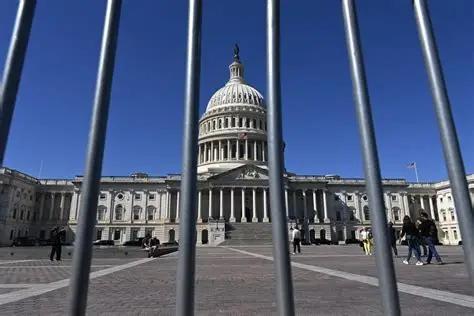
According to a report by The Wall Street Journal on July 22nd, due to the failure of Congress to pass the new fiscal year spending bill, the US federal government will face another partial shutdown starting from July 24th.
According to a report by The Wall Street Journal on July 22…
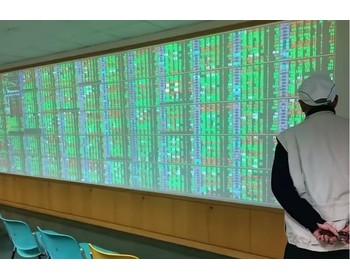
On July 17th, Taiwan's stock market experienced a historic …

On July 22nd local time, the pre-market short-term decline …

On July 22 local time, Advanced Micro Devices (AMD) officia…

According to the report by Rich Asplund, a columnist of Bar…

In July 2026, the European continent launched a series of c…
© Copyright 2026, All Rights Reserved