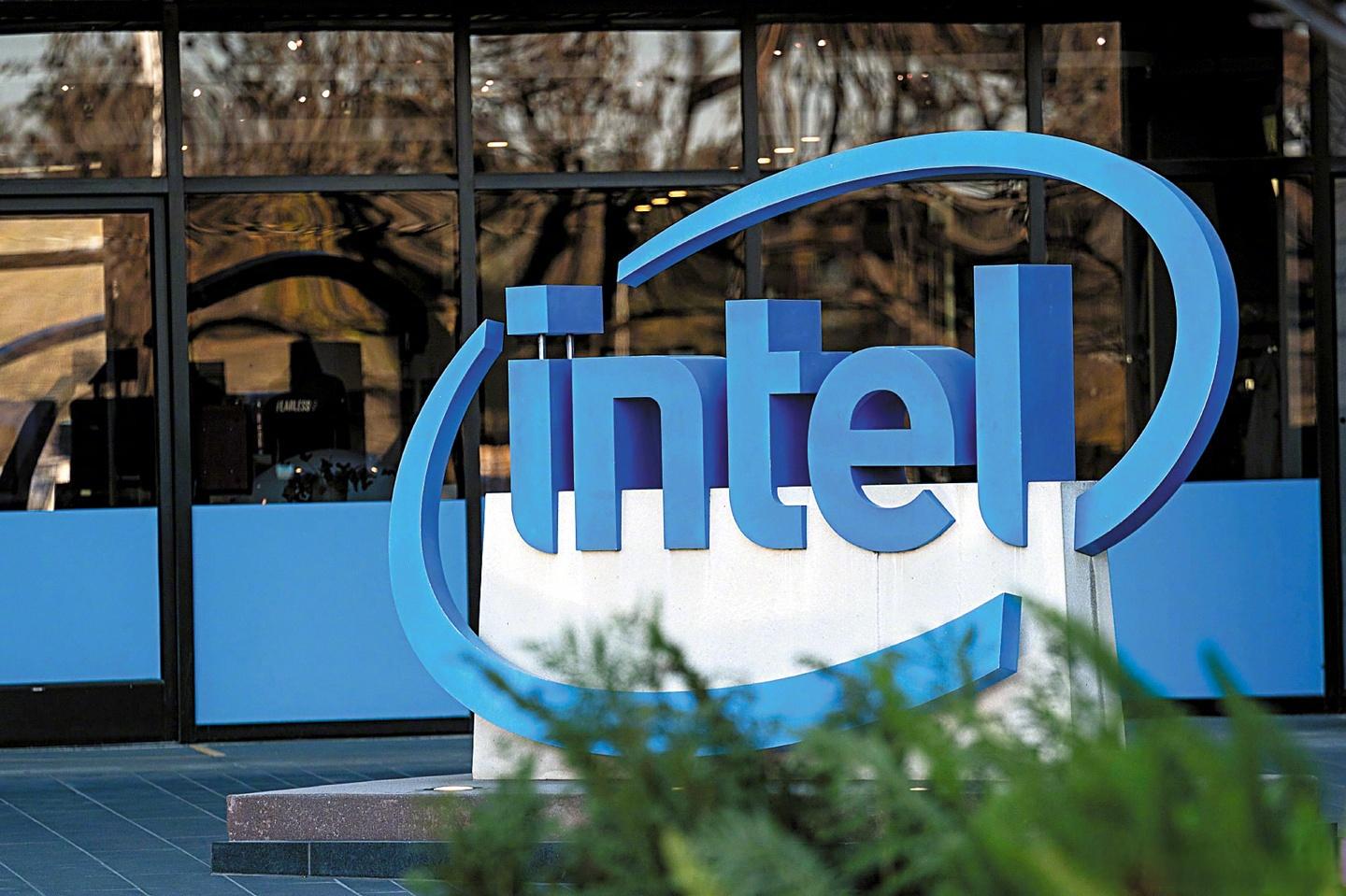
On June 9th local time, the US stock market experienced extreme differentiation: Intel surged 11.19% in a single day, driving the Philadelphia Semiconductor Index to rise 5.61%; Apple, however, went against the trend and fell 1.89%, dragging down the closing gains of the Nasdaq. Not only Apple, but also large tech giants such as Microsoft and Google, all fell by over 1% on that day, and the entire consumer electronics and software services sector is experiencing a pullback. This rise and fall is not accidental, but a concentrated reflection of the logic reconstruction of the AI industry, the switching of funding styles, and the expected changes in the Federal Reserve's policies. Its impact has surpassed the scope of individual stocks and sectors, and is profoundly reshaping the global financial ecosystem from multiple dimensions such as market structure, industry chain pricing, and global capital flows.
On that day, the three major indexes of the US stock market fluctuated, and behind the differentiation of the indexes was the internal fission of the technology track. At the individual stock level, Intel's stock price surged 11.19% in a single day, with a market value increase of about $50 billion, almost offsetting last Friday's 11.28% decline, thanks to the landing of Google's 3 million TPU OEM orders and Nvidia's testing of its 18A process. Storage chip leader Micron Technology surged 9.83%, while chip companies such as ASML and AMD rose simultaneously. All 30 constituent stocks in the semiconductor sector became red, becoming the strongest main line in the market. In sharp contrast, consumer technology leader Apple continued to weaken, closing down 1.89% with a turnover of 20.474 billion US dollars. Behind the significant volume decline was a clear outflow of funds. The market's recognition of Apple Intelligence released at WWDC is low, and the new Siri is only a fall beta version with no disruptive innovation, and the commercialization path is vague, making it difficult to drive iPhone upgrades and service revenue growth. At the same time, the new Siri will not be launched in the EU initially, which conflicts with the Digital Markets Act and further suppresses market confidence due to compliance risks.
The current AI industry is shifting from being driven by software applications to being dominated by computing infrastructure, CPU、 Hardware links such as chip manufacturing and advanced packaging have become the core barriers of the industrial chain. AI giants such as Google and Nvidia are accelerating support for Intel as the second largest generation factory to get rid of their dependence on TSMC. With the landing of 3 million TPU orders, they directly verify the commercial value of Intel's advanced processes and packaging capabilities. At the same time, the demand for AI inference and agents has exploded, and the server CPU production capacity has been "covered" by cloud vendors. In the second half of the year, it may increase prices by another 10%, and Intel, as the CPU leader, will directly benefit. On the other hand, Apple's AI layout lags behind Microsoft and Google, and the progress of Apple Intelligence is not as expected. 850 million old iPhones cannot support new features, making it difficult to achieve large-scale monetization. The market's innovation premium for consumer electronics AI has significantly shrunk, and Apple has switched pricing from a "growth stock" to a "value stock", making valuation pressure inevitable.
In addition, consumer technology leaders such as Apple, Microsoft, and Amazon are the core weights of the Nasdaq. Apple's single day decline of 1.89% directly dragged down the narrow rise of the Nasdaq, while the rise of chip stocks such as Intel had limited driving effect on the index. The Nasdaq showed a differentiated pattern of "heavyweight stocks dragging down, small and medium-sized hard technology leading the rise". This structural change has led to increased volatility in the index, with the Nasdaq experiencing daily gains and losses exceeding 2% multiple times since June, resulting in a decrease in market stability. At the same time, the US stock valuation system was restructured, the valuation of hard technology sectors such as semiconductor and AI server rose, and the valuation of consumer electronics and traditional Internet sectors was under pressure. Intel's annual growth reached 192%, with its market value sprinting towards $600 billion; Apple's annual increase is less than 5%, and its valuation has fallen from 30 times PE to around 25 times. The intensification of valuation differentiation has led to sector rotation, with funds rapidly switching between hard technology and consumer technology, resulting in an increase in market trading congestion.
In summary, the divergent market trends of Intel's rise and Apple's fall in the US stock market may seem like individual stock ups and downs, but in reality, they are a microcosm of the changes in the global technology industry and financial landscape. This trend not only reshapes the US stock market, but also profoundly affects global capital flows, industry chain pricing, and financial risk structures. A new era of finance dominated by hard technology has arrived.

According to a report by The Wall Street Journal on July 22nd, due to the failure of Congress to pass the new fiscal year spending bill, the US federal government will face another partial shutdown starting from July 24th.

According to a report by The Wall Street Journal on July 22…
On July 17th, Taiwan's stock market experienced a historic …
On July 22nd local time, the pre-market short-term decline …
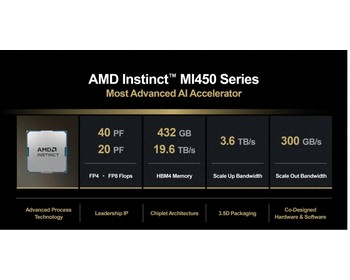
On July 22 local time, Advanced Micro Devices (AMD) officia…

According to the report by Rich Asplund, a columnist of Bar…

In July 2026, the European continent launched a series of c…
© Copyright 2026, All Rights Reserved