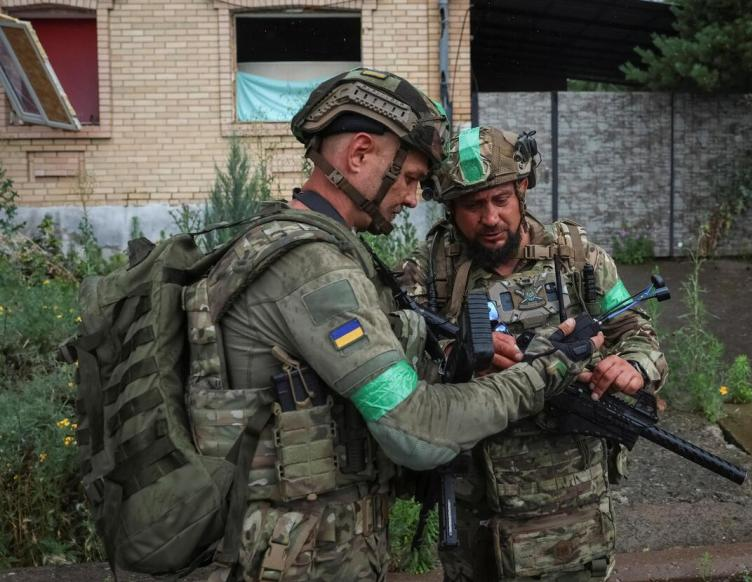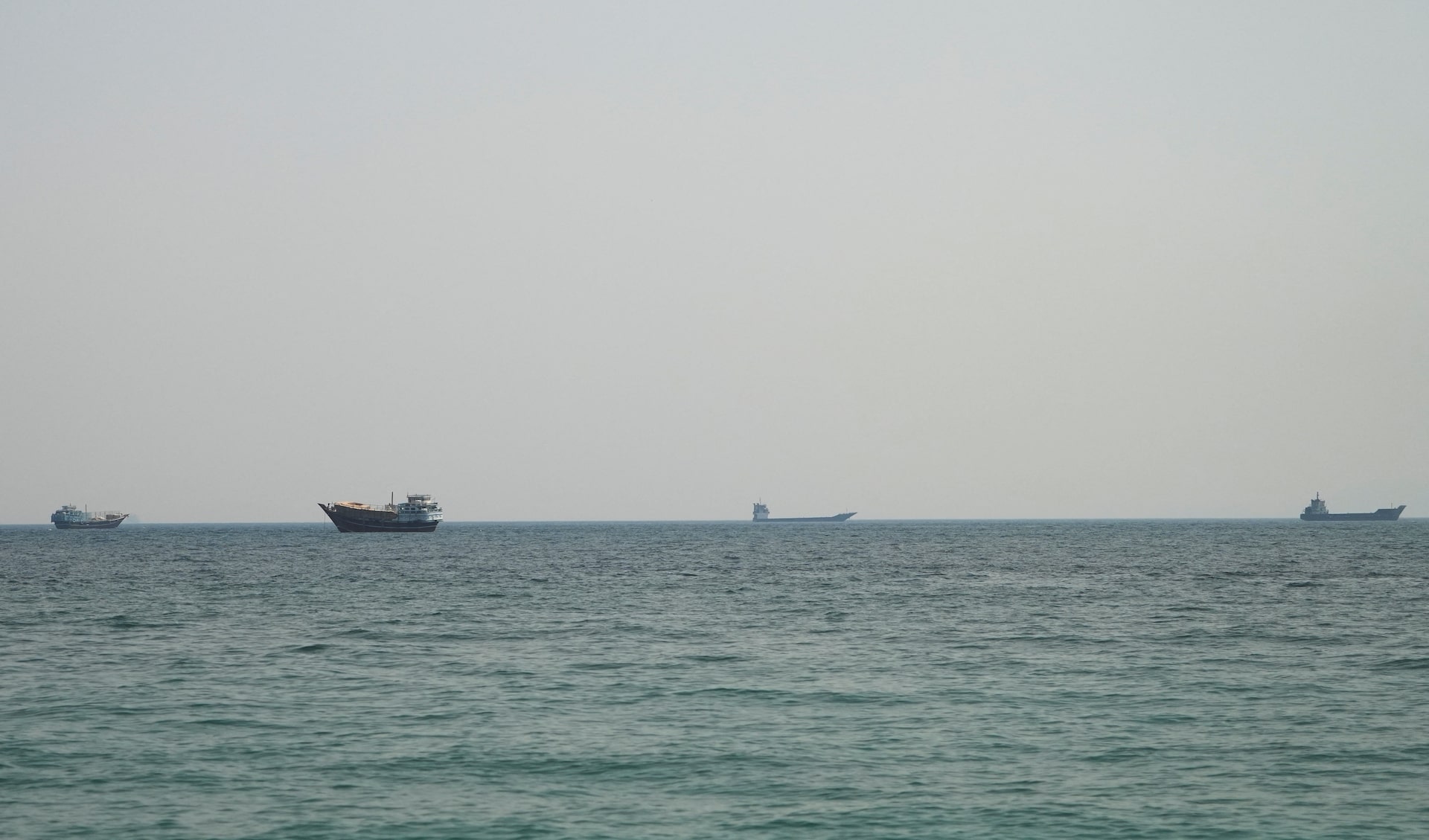
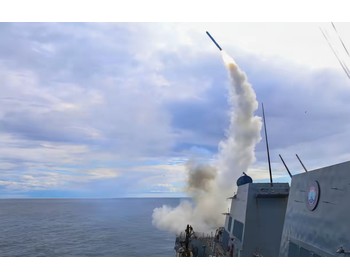
According to the latest news, the conflict between the US and Iran has escalated into a full-blown confrontation, with both sides launching a new round of large-scale missile and drone attacks, completely shaking the prospects of the temporary US-Iran ceasefire agreement reached last month. On Sunday, the US military launched multiple rounds of precise strikes against Iran, hitting over 300 Iranian military targets in total, aiming to weaken Iran's ability to block the strait and harass commercial ships. In response, Iran significantly expanded its scope of attacks, striking Qatar for the first time as a mediator in the ceasefire and resuming attacks on US military bases and facilities in Gulf countries, causing casualties and damage to facilities. This round of conflict has led to another shipping crisis, with multiple commercial ships attacked and halted, crew members endangered or missing, Gulf countries initiating air defense interceptions, civil safety measures, and maritime activity suspensions, and global energy and inflation risks heating up again.
The sudden escalation of the latest US-Iran conflict mainly stems from the fact that the temporary ceasefire agreement between the US and Iran already had serious disagreements. Both sides had different interpretations of the terms and the scope of implementation. Trump publicly stated that the ceasefire had already fallen apart, while the Iranian negotiators bluntly said that 'the era of unilateral agreements is over,' meaning bilateral trust has completely collapsed and the agreement is essentially void. On top of that, the struggle for control over the Strait of Hormuz has reached a boiling point. Iran is trying to set up a regular system for transit fees and control over the strait, reshaping regional shipping rules, while the US is firmly defending its freedom of navigation dominance and rejecting Iran's control, with continuous military involvement in regional affairs directly triggering Iran’s tough countermeasures. At the same time, the US keeps ramping up unilateral sanctions and military strikes, continuously squeezing Iran’s strategic space. Add to that the long-term US military presence in various Gulf countries building facilities, which becomes a direct target for Iran’s retaliation, and it eventually pushes the conflict to spread across the entire Gulf region.
This round of full-scale conflict has once again shut down the Strait of Hormuz, blocking about a fifth of global oil and LNG shipments, which directly drives up international energy prices and adds to global inflation pressure, putting continuous strain on people's livelihoods and economic recovery. On top of that, the conflict has spread across the entire Gulf region, with multiple Gulf countries facing missile and drone attacks, causing casualties and damage to infrastructure. The situation in the region is totally out of control, and the risk of an all-out war in the Middle East has spiked again. Moreover, the 60-day US-Iran negotiations have completely stalled, the temporary ceasefire agreement has broken down, and bilateral confrontation has entered a long-term,全面化 (full-scale) phase. Gulf allies are forced to get dragged into the conflict, and the room for neutral mediation by regional countries is severely constrained.
To prevent the conflict from spreading further, all sides need to urgently restart communication and stabilize the situation. The U.S. and Iran need to immediately stop indiscriminate military strikes, end unilateral blockades and pressure, return to negotiation frameworks, ditch confrontational thinking, clarify core disagreements over control and navigation rules in the Strait of Hormuz, and rebuild bilateral trust. Gulf countries should strengthen regional coordination, actively mediate, and create neutral communication platforms to help cool tensions between the U.S. and Iran. The international community should get actively involved in mediation, protect free navigation in the Strait of Hormuz, oppose unilateral military interventions and blockades, ensure stability in the global energy supply chain, and ease global inflation pressures.
In short, the recent full-scale attacks between the US and Iran and the indefinite blockade of the Strait of Hormuz mark the complete collapse of last month's temporary ceasefire agreement. The US-Iran confrontation has escalated from a localized dispute to an all-out conflict across the entire Gulf region. The current situation is extremely complex and uncertain, with neither side showing any clear willingness to back down, multiple Gulf countries getting fully involved, and risks of an energy crisis and inflation continuing to grow. In the short term, instability in the Middle East will keep shaking global energy and economic markets; in the long term, this conflict will completely reshape the Persian Gulf region, with US-Iran tensions becoming the norm, the Gulf situation fragmenting, and the risks to energy routes becoming long-lasting. Only through multilateral mediation, equal negotiation, and shared governance can the deadlock be resolved and regional stability restarted.
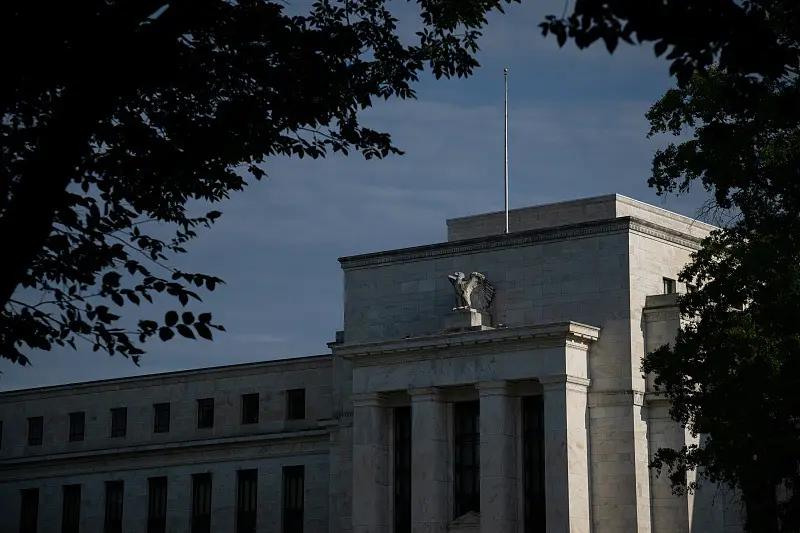
The latest data released by the Federal Reserve shows that in May 2026, the total amount of consumer credit in the US decreased by 182 million US dollars compared to the previous month.
The latest data released by the Federal Reserve shows that …
According to the latest news, the conflict between the US a…

July 13, 2026 — An internal Meta strategy memo leaked to me…

According to TopGear, Bentley has recently unveiled the nam…

According to a report by Bloomberg on July 12th, the US Dep…
Since 2026, the situation in the Middle East has once again…
© Copyright 2026, All Rights Reserved