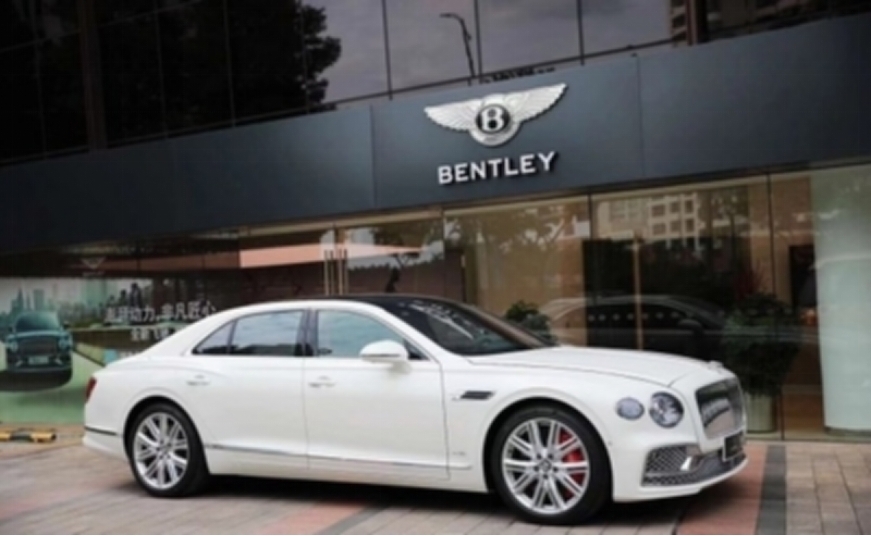
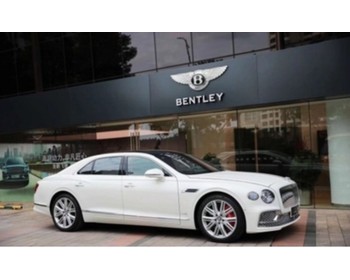
According to TopGear, Bentley has recently unveiled the name of its first pure electric vehicle in the brand's history - Torcal (Torcal), and announced that the car will make its global debut on September 23rd. As a flagship brand in the luxury car sector, this move undoubtedly attracts widespread attention from the industry regarding the transformation of traditional luxury brands towards electricization. The debut of Torcal, although carrying Bentley's exploration of the future, also exposes the multiple challenges faced by traditional automakers in the electric vehicle race.
From the naming strategy perspective, Torcal's inspiration comes from the limestone landscape of the El Torcal Nature Reserve in Spain. This choice continues Bentley's tradition of naming vehicles based on geographical landmarks. However, in the electric vehicle era, vehicle naming has gradually shifted from cultural symbols to technical identifiers. Tesla uses the "Model" series to enhance product sequence recognition, NIO distinguishes vehicle categories with prefixes like "ET" and "ES", while Torcal's naming method still remains at the cultural narrative level of the fuel vehicle era, failing to convey its electric vehicle attributes or core technical features through the name.
In terms of body size and space utilization, Torcal is positioned as a luxury urban SUV, with a length approaching 5 meters, and overall dimensions smaller than the current Bentayga model. Thanks to the pure electric platform architecture, its legroom and luggage compartment capacity have improved. However, it should be noted that the current high-end electric SUV market has formed a "big five-seater" layout with Tesla Model X and BMW iX, as well as a "three-row six-seat" competition pattern with Ideal L9. Torcal's choice to reduce body size to optimize urban driving flexibility may sacrifice the space diversity demanded by high-end users. The space optimization potential of the pure electric platform has not been fully unleashed - for example, through CTC (Battery Chassis Integration) technology, the proportion of mechanical structures can be further compressed. Whether Bentley achieves breakthroughs in this area remains without clear technical parameters to support.
Range is one of the core indicators of electric vehicles. Bentley officials disclosed that Torcal's range will exceed 300 miles (about 483 kilometers), which is only at a medium level in the current market. Measured by the 2024 standard, Tesla Model S Plaid has a range of 652 kilometers, Mercedes-Benz EQS can reach 784 kilometers, and domestic high-end electric SUVs such as Xpeng G9 and NIO ES8 also have ranges generally exceeding 600 kilometers. Torcal's range performance neither reaches the industry's top level nor achieves a rapid charging advantage through technological innovations such as the 800V high-voltage platform. For luxury market positioning vehicles, range anxiety remains a key pain point in users' decision-making, and Bentley's conservative strategy in this area may weaken its market competitiveness.
In terms of design language, Torcal showcases Bentley's exploration of electric vehicle aesthetics: the angular front grille, the closed grille, and the 3D diamond-shaped lights form a visual focal point. The rear of the car continues the horizontal bar-shaped tail light design. However, this design has two contradictions: Firstly, the closed grille, as an iconic element of electric vehicles, contrasts sharply with the chrome vertical bar grille of Bentley's traditional fuel vehicles, but the lighting function of the 3D diamond-shaped lights is more of a decorative innovation and fails to integrate with the autonomous driving sensors (such as laser radars); Secondly, the coexistence of the curved central display and physical buttons in the interior retains a luxurious feel, but contradicts the current trend of "full touch interaction" pursued by electric vehicles.
From the choice of technical routes, Bentley Chairman Frank-Steffen Wohrle emphasized that Torcal is a "carefully crafted vehicle", but the official information disclosed lacks in-depth explanations of core areas such as battery technology, electric drive systems, and intelligent driving. For instance, does it adopt solid-state batteries to enhance energy density? Does it install its own developed electric drive system to optimize power output? Does its intelligent driving assistance system reach the L3 level? The absence of these key technologies has made the "meticulous crafting" of Torcal more limited to surface craftsmanship rather than fundamental technological breakthroughs in the era of electrification.
In the wave of electrification, the technological transformation of traditional luxury brands needs to take into account both brand heritage and future trends. The debut of Bentley Torcal not only demonstrates its investment in the electrification race, but also exposes its technical conservatism in dimensions such as range, space optimization, and intelligent interaction. For a brand with a 107-year history, how to redefine "luxury" in the era of electrification might be more challenging than continuing with traditional naming or retaining physical buttons.

The latest data released by the Federal Reserve shows that in May 2026, the total amount of consumer credit in the US decreased by 182 million US dollars compared to the previous month.

The latest data released by the Federal Reserve shows that …

According to the latest news, the conflict between the US a…
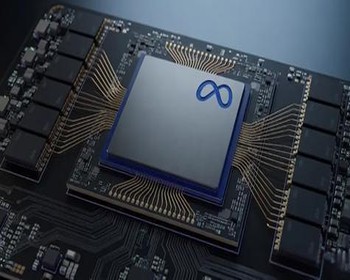
July 13, 2026 — An internal Meta strategy memo leaked to me…
According to TopGear, Bentley has recently unveiled the nam…

According to a report by Bloomberg on July 12th, the US Dep…

Since 2026, the situation in the Middle East has once again…
© Copyright 2026, All Rights Reserved