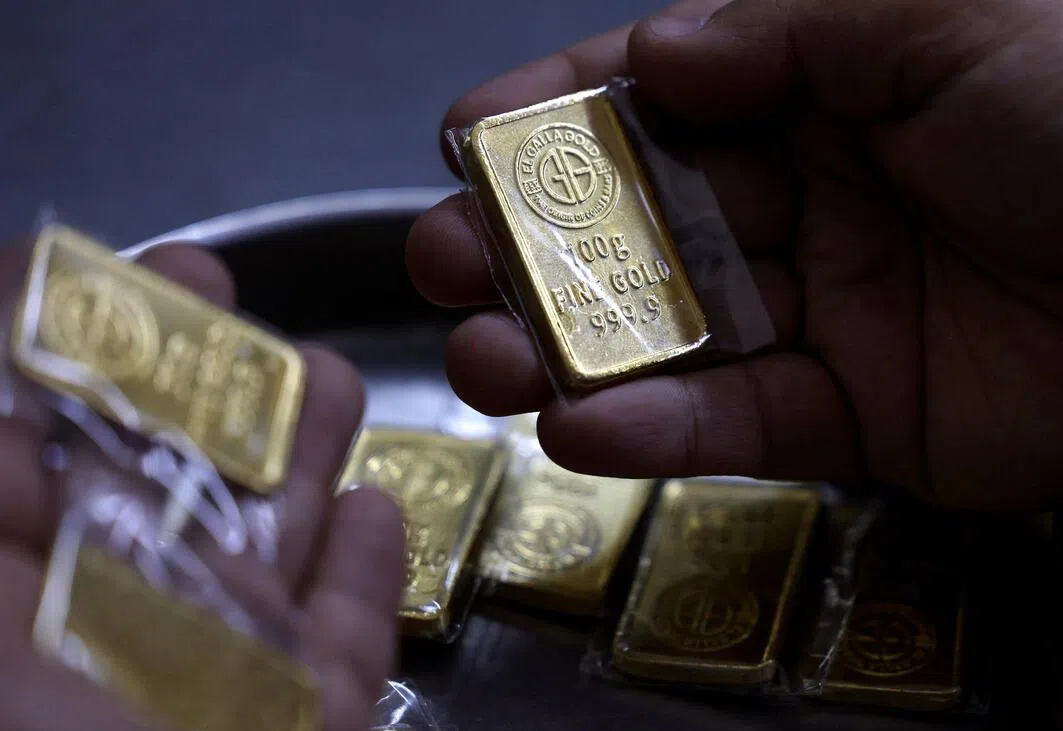
"Buying gold in troubled times" is an investment rule that has been widely circulated in the capital market. When geopolitical conflicts escalate, the hedging attribute of gold is often ignited, driving the price of gold to rise continuously. However, since March 2026, the situation in the Middle East has continued to deteriorate, with the passage of the Strait of Hormuz being blocked and regional military confrontations intensifying. The global market is shrouded in a veil of risk aversion, but gold has instead shown a completely opposite trend. The COMEX gold price plummeted by 11% in a single week, reaching the largest weekly decline in 43 years, and fell by more than 20% from its historical high, entering a technical bear market. This contrary trend to traditional perception is not due to the failure of gold's hedging attribute, but is the result of the combined forces of global monetary policy, capital flow, and market trading logic. It also reflects the complex changes in the current international financial market.
The impact of the current Middle East conflict on gold has completely overturned the traditional pricing logic of geopolitical risks. The core trigger is the inflation panic caused by the conflict, which forces global central banks to shift their monetary policies, thereby suppressing the gold price. As the global energy core production area, the escalation of the conflict directly led to a sharp increase in Brent crude oil prices, exceeding $112 per barrel, with a 40% increase in March. The soaring energy prices quickly spread to the global inflation system, causing the previously easing inflation pressure to rise again. Previously, the market generally expected the Federal Reserve to initiate multiple interest rate cuts in 2026, and the expectation of rate cuts was the core driving force supporting the gold price at its historical high. However, the sharp rise in oil prices broke this expectation. The Fed's interest rate meeting in March clearly released hawkish signals, reducing the number of interest rate cuts from 3 times to 1 time, postponing the first rate cut from June to September, and even expressing the possibility of restarting interest rate hikes. The global downward trend in interest rates was completely reversed.
Gold, as a typical interest-free asset, its price trend is highly negatively correlated with the actual interest rate. When the expectation of the Fed's interest rate hike rises and the yield of US bonds continues to rise, the opportunity cost of holding gold increases significantly, and funds shift from the gold market to interest-bearing assets such as US bonds and the US dollar, directly suppressing the gold price. At the same time, the US dollar index has risen strongly under the dual push of risk aversion and high interest rates, and gold is priced in US dollars, which further hampers the gold price from the exchange rate perspective, forming a double negative impact of "high interest rates + strong US dollar", completely overshadowing the support from the hedging buying demand brought by the geopolitical conflict.
In addition to the core influence of monetary policy, the "buying expectations, selling facts" at the market trading level and liquidity squeezes have accelerated the sharp decline of gold. From the beginning of 2026 to the end of February, the market had already predicted the risk of escalation in the Middle East situation in advance, and risk-averse funds had already made preparations. The gold price rose by 10% and reached the historical high of $5,400 per ounce, with a large amount of speculative funds accumulating substantial profit positions. When the conflict actually occurred, market sentiment shifted from early speculation to the actual landing, speculative funds concentrated on realizing profits, and a large number of sell orders flooded the market, triggering a stampede effect. At the same time, global stocks were significantly affected by the geopolitical conflict and interest rate expectations, and some institutions faced margin calls pressure, had to sell gold, a highly liquid asset, to withdraw funds, further exacerbating the decline in the gold price.
In addition, the diversion of global risk-averse funds has also significantly dimmed the halo of gold's hedging appeal. Compared with traditional gold, the US dollar, with its status as a global reserve currency, has become a more favored hedging asset in this geopolitical conflict. Funds in the Middle East region, to avoid sanctions risks, have also increased their holdings of US dollar assets, further strengthening the US dollar's suction effect. At the same time, Bitcoin and other crypto assets, as new hedging tools, have diverted some young investors and speculative funds, weakening the hedging demand for gold, and causing gold to lose its exclusive favor in the face of geopolitical risks.
This sharp decline of gold in the face of the contrary situation has sounded the alarm for global investors: The impact of geopolitical conflicts on the financial market is not constant, and the asset pricing logic will be restructured with changes in the macro environment. In the current context of rising global stagflation risks and unstable central bank policies, the trend of gold is no longer solely determined by the sentiment of seeking safety. Instead, it is deeply intertwined with inflation, interest rates, and the trend of the US dollar. In the short term, if the conflict in the Middle East continues to escalate and oil prices remain high, the hawkish stance of the Federal Reserve is unlikely to change, and gold will still face adjustment pressure; if there are signs of a relaxation in the conflict and inflationary pressure gradually subsides, the price of gold is expected to have an opportunity for recovery.
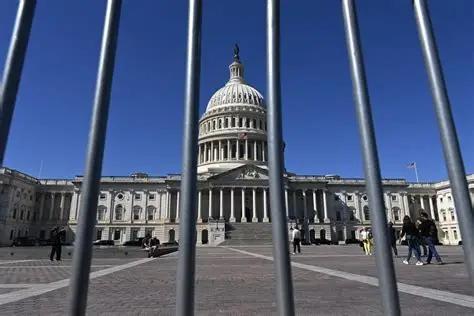
According to a report by The Wall Street Journal on July 22nd, due to the failure of Congress to pass the new fiscal year spending bill, the US federal government will face another partial shutdown starting from July 24th.
According to a report by The Wall Street Journal on July 22…
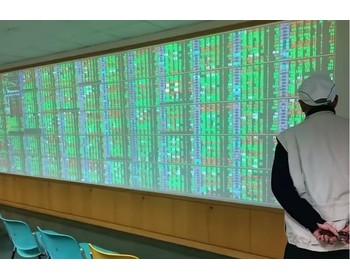
On July 17th, Taiwan's stock market experienced a historic …
On July 22nd local time, the pre-market short-term decline …
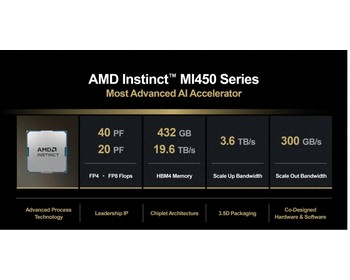
On July 22 local time, Advanced Micro Devices (AMD) officia…
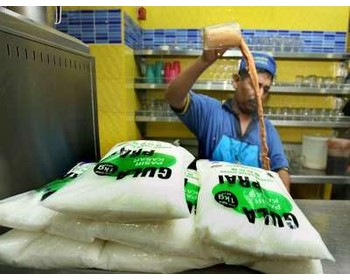
According to the report by Rich Asplund, a columnist of Bar…

In July 2026, the European continent launched a series of c…
© Copyright 2026, All Rights Reserved