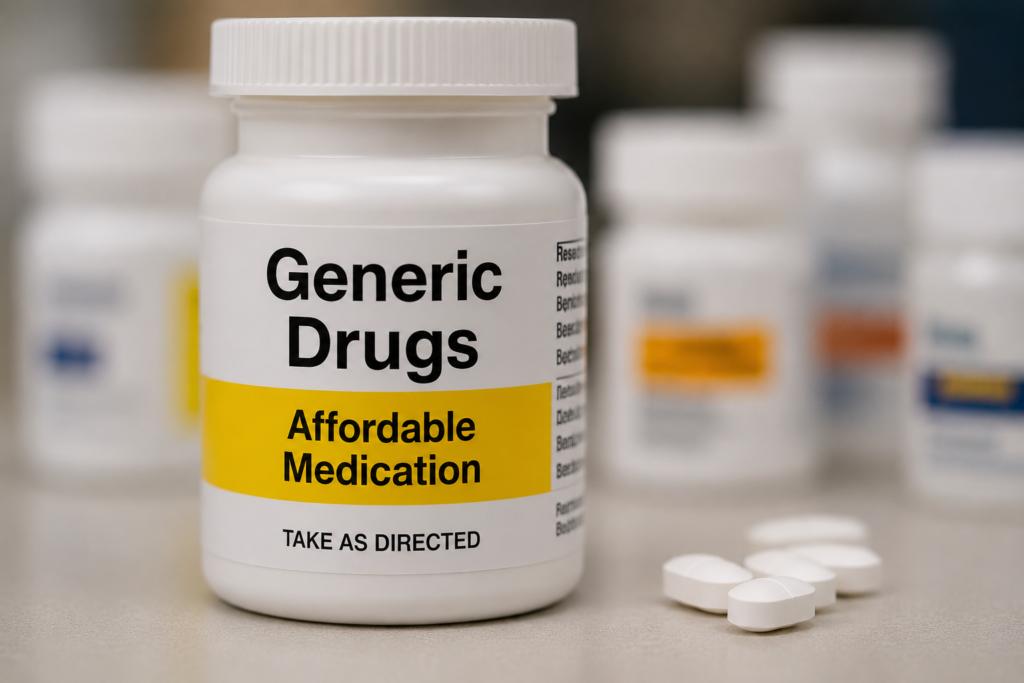
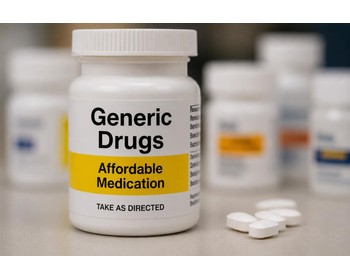
On July 21st local time, Trump announced a major new policy on generic drug tariffs on the Truth Social platform: Starting from August 1st, 2026, imported generic drugs will enjoy a two-year tariff exemption period; after the exemption period ends, the tariff will rise to 100%, and one year later, it will further increase to 200%. The core goal of this policy is to use a stepped punitive tariff to force overseas pharmaceutical companies to set up production lines in the United States, reshaping the local pharmaceutical manufacturing chain. However, from the perspective of the global pharmaceutical supply chain reality, the affordability of American citizens and the objective laws of the industry, this seemingly long-term policy hides multiple unresolved contradictions.
Generic drugs are the cornerstone of the US medical system. Over 90% of prescription drugs in the US are generic drugs. Chronic diseases, anti-infective drugs, and basic anti-cancer drugs rely heavily on overseas supply. India supplies about 40% of generic drug products in the US, and over 70% of the raw materials of Indian pharmaceutical companies need to be imported from China, forming a stable global division of labor chain of "Chinese raw materials - Indian preparations - US terminals". Trump's policy seemingly targets Indian finished drug companies directly, but in fact, it impacts the entire Asia-Pacific pharmaceutical industry chain. Indian generic drug companies have a profit margin of only 4% to 6% in the US. A 100% or 200% punitive tariff is completely beyond the profit-bearing capacity of the enterprises, and the pharmaceutical companies either have to significantly increase prices and lose the US market, or reduce production capacity and abandon export business. In the short term, this will directly disrupt the stability of US drug supply.
The biggest logical flaw of this policy is the neglect of the objective cycle of pharmaceutical factory construction and the shortcoming of the US domestic production capacity. Trump gave a two-year tariff exemption period, attempting to force overseas enterprises to set up factories in the US, but a factory that has passed FDA certification and is standardized for generic drugs, from site selection, environmental assessment, equipment installation to production, requires at least three to five years. The two-year exemption period is simply not enough to complete the full production line's landing. The so-called "return within the deadline" is essentially an unfeasible hard constraint. More critically, the US domestic raw material production capacity is seriously insufficient, with only about 10% of raw materials in the US being produced domestically. Over 70% of basic raw materials rely on overseas imports. Even if Indian pharmaceutical companies are forced to build a preparation factory in the US, the core raw materials needed for production still cannot be sourced from China. The tariff policy cannot achieve a complete "de-Apaciation" of the entire industry chain, and merely changing the assembly process is difficult to achieve the policy's declared goal of industrial autonomy.
The ultimate cost of this tariff policy will be borne mostly by American ordinary citizens. Generic drugs are essential drugs for low-income groups and elderly patients with chronic diseases, and they are also the core tool for controlling medical expenses in the US. Industry estimates show that only 25% of the drug tariffs will increase the US's drug procurement cost by over 50 billion US dollars annually. If the tariff rises to 200%, drug prices will experience a cliff-like increase, the prices of many affordable basic drugs will double, and millions of people relying on generic drugs for treatment will face purchasing pressure and even stop taking or reduce the dosage, exacerbating the US's medical and social problems. At the same time, the problem of drug shortages in the US has continued to deteriorate in recent years, with hundreds of basic drugs often lacking supply. Radical tariffs will further compress the willingness of overseas pharmaceutical companies to supply to China and the US, magnifying the risk of drug shortages, and impacting the normal operation of hospitals and community pharmacies.
From the perspective of the global economic and trade landscape, the stepped-up punitive tariffs once again reveal the unilateral trade mindset of the United States, which is characterized by "America First". It artificially disrupts the long-established global pharmaceutical division of labor system. The transfer of global raw drug and generic drug industries to the Asia-Pacific region is an objective outcome resulting from decades of competition in terms of market costs, production capacity, and processes. Simply relying on tariff barriers to forcibly reverse the industrial layout goes against the basic laws of the market economy. Although the short-term zero-tariff window period can stimulate enterprises to stock up and seize the market in the short term, in the medium and long term, it will only lead to a roundabout transfer of the industrial chain. Some production capacity may be diverted to regions such as Mexico and Southeast Asia for roundabout exports to the United States, which cannot truly achieve the original policy intention of industrial return.
The Trump's new policy on generic drug tariffs is a shortsighted industrial game. Policy makers overestimated the ability of tariffs to transform the industrial chain, while underestimating the deep binding of the global pharmaceutical supply chain and the affordability limit of the American people's livelihood. The two-year buffer period is insufficient to address the shortcomings of domestic manufacturing. The high punitive tariffs will ultimately only raise domestic drug prices and exacerbate drug shortages, not only failing to achieve the goal of bringing the generic drug industry back to the United States, but also further damaging the economic and trade trust between the United States and pharmaceutical supply powerhouses such as China and India, and bringing long-term uncertainty to the global pharmaceutical supply chain.
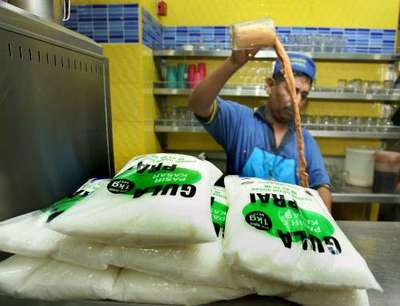
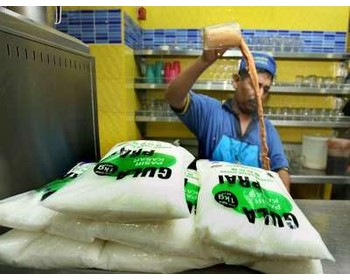
According to the report by Rich Asplund, a columnist of Barchart, recently, with the significant improvement in the monsoon rainfall in India, global sugar prices are facing downward pressure.
According to the report by Rich Asplund, a columnist of Bar…
In July 2026, the European continent launched a series of c…

Google's parent company, Alphabet, is accelerating its inve…
On July 21st local time, Trump announced a major new policy…
The US military carried out airstrikes on Iran for the elev…
Recently, New York Mayor Madanani made a rare and significa…
© Copyright 2026, All Rights Reserved