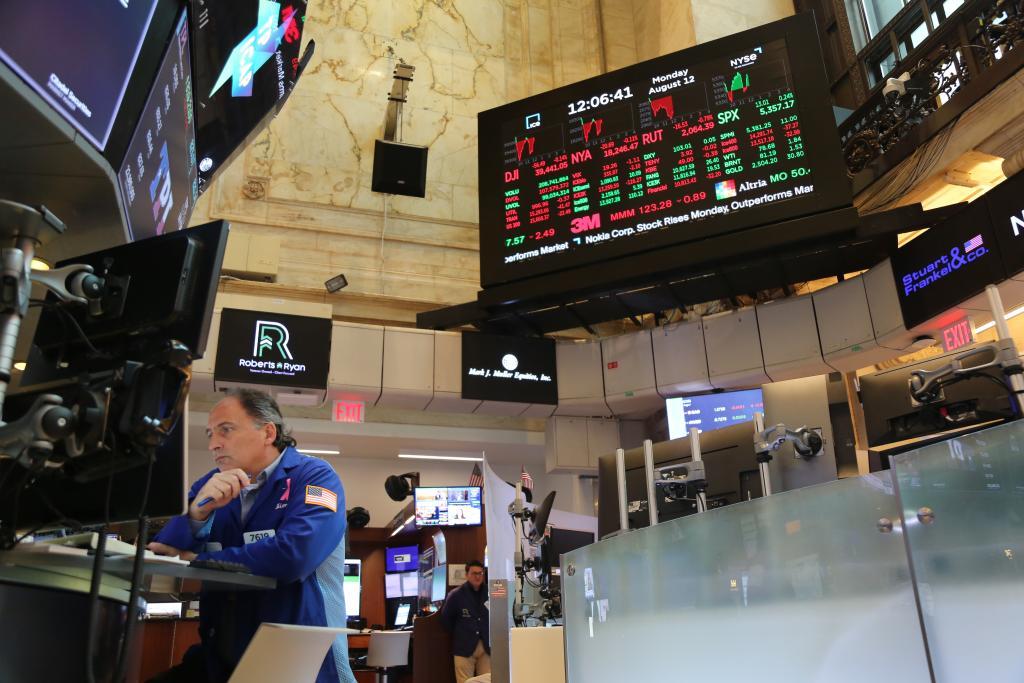
According to a recent report released by Reuters: The US dollar has held its two-month high, with market expectations for the Federal Reserve to raise interest rates continuing to rise, while the Japanese yen has continued to weaken. This series of chain reactions not only reflects the fluctuations in the global monetary system, but also the complex challenges and potential risks currently faced by the financial market.
From the policy movements of the Federal Reserve, although it has maintained the interest rate within the range of 3.50%-3.75%, nearly half of the policymakers have already signaled an intention to raise interest rates. This shift is not accidental but a necessary result of the continuous accumulation of inflationary pressure. According to the FedWatch data of the Chicago Mercantile Exchange (CME), the market has already factored in an 83% possibility of the Federal Reserve tightening monetary policy in December. The strong performance of retail sales data further reinforces this expectation. However, behind this "hawkish" shift lies the dilemma faced by the Federal Reserve in balancing economic growth and inflation control - raising interest rates too early may stifle the economic recovery momentum, while delaying the rate hike may exacerbate the risk of inflation out of control. This policy uncertainty undoubtedly injects more volatility into the market.
The strong performance of the US dollar contrasts sharply with this. Driven by the expectation of interest rate hikes, the US dollar index soared by 0.85% in the previous trading day, reaching its highest level since March 31 and recording the largest single-day gain since March 2. This rally is not solely supported by economic fundamentals but is also influenced by geopolitical factors. President Trump's tough stance on the ceasefire agreement with Iran has triggered new uncertainties in the Gulf region, pushing up oil prices while also strengthening the attractiveness of the US dollar as a safe-haven asset. However, the sustainability of this "geopolitical premium" is questionable. Once the situation in the Middle East stabilizes and oil prices fall, the supporting factors for the US dollar may quickly fade, and the market may face the risk of reverse correction.
The weakening of the Japanese yen is another concern. The Japanese yen fell to its lowest point since 2024 overnight, dropping to 160.760 and remaining near 160. This level is widely regarded as the threshold for official intervention. The continuous depreciation of the yen not only intensifies the pressure of imported inflation in Japan but also raises concerns about a "currency war". If the Bank of Japan is forced to intervene in the foreign exchange market, it may trigger a chain reaction in other economies, further disrupting the global monetary order. What is more alarming is that the depreciation of the yen reflects the deep-seated problems in Japan's economic structure - in a long-term low-growth and low-inflation environment, the marginal effect of monetary policy is increasingly diminishing, while structural reforms have made little progress. This "policy failure" state may make the yen a "weak link" in the global financial market.
The performance of other major currencies is also worthy of attention. The euro against the US dollar has slightly strengthened, the pound against the US dollar has strengthened, and both currencies had reached their two-month lows previously. The Australian dollar and the New Zealand dollar have both risen by approximately 0.2%. These currency fluctuations not only reflect the adjustment of market expectations for the Federal Reserve's policies but also reflect the imbalance of global economic recovery. The eurozone and the United Kingdom face dual challenges of inflation and growth, while the Australian dollar and the New Zealand dollar benefit from the rise in commodity prices. However, whether this differentiated pattern can continue depends on whether each economy can effectively address common issues such as supply chain bottlenecks and energy crises.
From a more macro perspective, the current fluctuations in the financial market are essentially a reflection of the entry of the global economic recovery into the "deep water zone". Inflation pressure, policy shifts, and geopolitical conflicts, among other factors, interweave, making the market face unprecedented uncertainty. In such an environment, investors need to remain highly vigilant, avoid blindly chasing short-term trends, and instead focus more on diversified asset allocation and risk hedging. At the same time, policymakers also need to weigh the pros and cons and avoid exacerbating market fluctuations due to excessive intervention or policy mistakes. After all, in today's deeply integrated globalized world, any policy adjustment by any country may trigger a chain reaction in the global financial market.
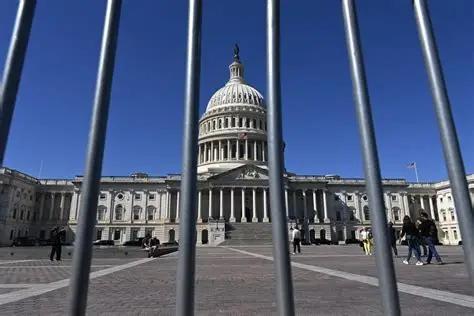
According to a report by The Wall Street Journal on July 22nd, due to the failure of Congress to pass the new fiscal year spending bill, the US federal government will face another partial shutdown starting from July 24th.
According to a report by The Wall Street Journal on July 22…

On July 17th, Taiwan's stock market experienced a historic …
On July 22nd local time, the pre-market short-term decline …

On July 22 local time, Advanced Micro Devices (AMD) officia…

According to the report by Rich Asplund, a columnist of Bar…

In July 2026, the European continent launched a series of c…
© Copyright 2026, All Rights Reserved