
Since 2026, global capital flows have undergone a historic structural reversal. Funds are accelerating their withdrawal from US markets and pouring into European and Japanese stock markets, forming a clear trend of "decoupling from the US into Europe and Asia". Data shows that since the start of the year, over $100 billion has flowed into European and Japanese stock markets, compared with only $25 billion into US stocks—a ratio of 4:1. High-net-worth individuals and institutional investors are simultaneously reducing their US equity holdings and increasing allocations to European and Japanese bonds and real assets. This migration is not just a short-term adjustment but reflects a profound restructuring of the global financial landscape.
Since early 2026, the global capital flow map has been completely rewritten. Data from Bank of America shows that as of late April, equity funds in developed markets such as Europe and Japan have attracted a cumulative $104 billion in inflows, while US equity funds recorded only $25 billion over the same period—a stark disparity confirming the accelerated capital flight. Segment highlights abound: foreign inflows into Japanese stocks have hit a multi-year high, with net purchases reaching 1.78 trillion yen (approximately $11.5 billion) in a single week, the highest since November 2014. Europe’s STOXX 600 index has repeatedly set new all-time highs, with capital flooding into "old economy" sectors such as banking and defense. In contrast, while the Nasdaq index has reached record levels, momentum is concentrated in a handful of tech giants. Hedge funds’ net selling of tech stocks last week was the highest since July 2024 and the third-largest in five years. High-net-worth capital is the main driver of "US decoupling". UBS surveys show that North American high-net-worth investors are accelerating reductions in US equity holdings, especially overvalued tech leaders, and increasing allocations to European high-grade corporate bonds, Japanese equity ETFs, and real assets such as gold and crude oil. Amundi, Europe’s largest asset manager, explicitly advised clients to reduce dollar asset exposure and shift to European markets, while pension funds in Denmark and Sweden have launched a wave of US Treasury sales.
This capital migration is driven by four core factors. First, after a long bull market, US stock valuations have deviated significantly from fundamentals. The S&P 500’s price-to-earnings ratio is at historic highs, and hype around AI stocks has exacerbated bubble risks. Since 2026, US earnings growth has slowed, and surging capital expenditures by tech giants have squeezed profits, pressuring shares of leaders like Amazon and Apple. Goldman Sachs data shows hedge funds have sold US stocks for four consecutive weeks at the fastest pace since last year’s tariff hikes. Second, US federal debt has exceeded $38 trillion, with annual interest costs surpassing military spending, casting doubt on fiscal sustainability. The Trump administration’s tariff policies and economic stimulus have stoked inflation expectations, delaying Federal Reserve rate cuts and weakening dollar credit. Frequent policy shifts have eroded long-term confidence in US stability, heightening risk aversion. Third, the US dollar index has fallen about 10% since late 2024, boosting appeal for euro and yen-denominated assets via exchange gains. The European Central Bank and Bank of Japan maintain accommodative policies, improving corporate earnings. The STOXX 600’s dividend yield exceeds that of US stocks, highlighting value. Japanese equities benefit from corporate governance reforms and relaxed foreign investment rules, with low global valuations enhancing allocation value. Fourth, Middle East tensions have elevated energy risk premiums, threatening shipping in the Strait of Hormuz (route for one-third of global oil), prompting shifts from dollar safe havens to crude oil, gold, and other real assets. Meanwhile, global debt has surpassed $348 trillion, raising systemic risks and driving diversification demand—"don’t put all eggs in one basket" has become consensus.
The trend of capital "decoupling from the US into Europe and Asia" is profoundly reshaping the global financial landscape. First, dollar hegemony is loosening, accelerating multipolarity. Capital outflows weaken dollar dominance, de-dollarization moves from rhetoric to reality, and euro/yen shares in global reserves and settlements rise, accelerating monetary multipolarity. Bank of America strategist Hartnett encapsulates the trade as "buy anything but dollars", reflecting collective avoidance of dollar assets. Second, asset pricing logic is shifting, with value styles returning. Capital flows from overvalued US tech to undervalued European/Japanese value stocks, reversing "growth premium" to "value regression". Cyclical sectors like energy, finance, and industry gain favor, while gold and crude oil become core hedges against risk and inflation. Third, global economic influence is shifting, raising Europe/Asia’s voice. Inflows boost European/Japanese economies, lowering financing costs and stimulating investment/consumption. Meanwhile, reduced US financial appeal and capital outflows constrain recovery, shifting global economic gravity from the US to Europe and Asia.
Looking ahead, the "decoupling from the US into Europe and Asia" trend may persist near term. The Federal Reserve is expected to hold rates steady this week, delaying cuts to further pressure US stocks; ECB and BOJ accommodation will support European/Japanese assets; unresolved Middle East tensions sustain real asset demand. Longer term, flows may adjust with policies and data: US inflation cooling or rate cuts could revive US equity appeal, while European/Japanese growth shortfalls may trigger outflows. But the long-term trends of global asset diversification and de-dollarization are irreversible, replacing "American exceptionalism" with "global rebalancing".
The $100 billion capital migration from the US to Europe and Asia is not merely a flow shift but the start of a global financial order restructuring. Investors must adapt by reducing US exposure, increasing European/Japanese value assets and real assets, and seizing opportunities in the global rebalancing wave.

According to a report by The Wall Street Journal on July 22nd, due to the failure of Congress to pass the new fiscal year spending bill, the US federal government will face another partial shutdown starting from July 24th.

According to a report by The Wall Street Journal on July 22…
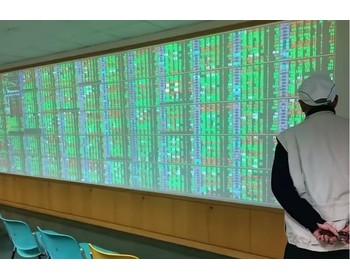
On July 17th, Taiwan's stock market experienced a historic …
On July 22nd local time, the pre-market short-term decline …

On July 22 local time, Advanced Micro Devices (AMD) officia…

According to the report by Rich Asplund, a columnist of Bar…

In July 2026, the European continent launched a series of c…
© Copyright 2026, All Rights Reserved