
On June 1st local time, Bitcoin plunged sharply, dropping by 2.88% to $71,500; it reached a low of $71,350 and a high of $74,179.9 during the day, with a trading volume of over $11.4 billion. Ethereum dropped by 2.05%, closing at $1,968; SOL fell by 2.87%, BNB dropped by 5.6%, and the market situation suddenly changed dramatically. Within just one day, over 140,000 traders suffered margin calls and their account assets evaporated instantly. Most mainstream currencies were also under pressure. This round of significant decline in cryptocurrencies was not a short-term fluctuation of a single currency; the hidden leverage risks and cross-border capital chaos were spreading negative impacts to the global financial system from multiple dimensions. It also once again confirmed the inherent financial flaws of virtual currencies that are outside of regulatory control.
From the perspective of the financial market itself, high leverage trading is the core cause of large-scale margin calls. The crash triggered a chain of forced liquidations, directly disrupting market liquidity. Crypto trading platforms generally offer tens or even hundreds of times leverage, allowing retail investors to leverage small amounts of capital to control large amounts of assets. A slight price decline can easily reach the margin line. During this market decline process, a large number of long orders were forcibly closed by the system, and concentrated selling further depressed the price, forming a vicious cycle of decline - margin call - market crash. A large number of investors saw their principal disappear, and some leveraged traders also carried huge debts. The assets of small investors suffered substantial losses. As mainstream currencies collectively weakened, the range of a price drop of various altcoins was even more severe. The market capitalization of the entire cryptocurrency sector shrank significantly in a short period. Small financial platforms and crypto projects within the industry exposed liquidity problems one after another, and the internal stability of the industry completely collapsed. The sharp decline in the market also triggered the risk of stablecoin de-anchoring. As the core carrier of transactions and settlements in the cryptocurrency market, stablecoins, once experiencing a liquidity panic, would directly lead to the depletion of market liquidity and exacerbate the overall collapse trend. This also led to the pressure on the stablecoin market, as it is a core component of the market. When there is a liquidity panic, securities firms and clearing institutions need to bear the losses of users' margin calls, and the accumulated bad debt pressure will be slightly transmitted to the traditional financial service system. At the same time, continuous sharp rises and falls continue to undermine market confidence, distort normal financial investment cognition, and encourage speculative tendencies, weakening the long-term value investment concept of the capital market.
Finally, frequent market fluctuations also continuously increase the financial regulatory pressure of various countries. After each round of virtual currency crash, various money pools under the guise of digital currencies and telecommunications frauds were exposed in a concentrated manner. The number of victims filing complaints for protection increased sharply, consuming a large amount of administrative law enforcement and judicial resources. As the panic spread in the market, overseas institutions that had previously invested in Bitcoin spot ETFs all redeemed and left the market. Funds continued to experience large-scale net outflows, and institutional risk appetite rapidly cooled. After funds fled from high-risk assets, the growth sectors of the global stock market, high-yield credit bonds, and other safe-haven assets were under pressure. Capital rushed into treasury bonds and gold, completely disrupting the original capital circulation and valuation system of the capital market, forming cross-category and cross-market risk linkage.
In addition, this round of concentrated margin calls also exposed the weak loopholes of the global shadow financial system. Cryptocurrency assets have been deeply linked to the traditional financial market through ETFs, institutional holdings, and pledge lending, forming an unregulated shadow financial chain. When the market experiences intense fluctuations, securities firms and clearing institutions need to bear the losses of users' margin calls, and the accumulated bad debt pressure will be slightly transmitted to the traditional financial service system. At the same time, continuous sharp rises and falls continue to deplete market confidence, distort normal financial investment cognition, and encourage speculative tendencies, weakening the long-term value investment concept of the capital market.
In conclusion, frequent market fluctuations also continuously increase the financial regulatory pressure of various countries. After each round of virtual currency crash, various money pools under the guise of digital currencies and telecommunications frauds were exposed in a concentrated manner. The number of victims filing complaints for protection increased sharply, consuming a large amount of administrative law enforcement and judicial resources. As the panic spread in the market, overseas institutions that had previously invested in Bitcoin spot ETFs all redeemed and left the market. Funds continued to experience large-scale net outflows, and institutional risk appetite rapidly cooled. After funds fled from high-risk assets, the growth sectors of the global stock market, high-yield credit bonds, and other safe-haven assets were under pressure. Capital rushed into treasury bonds and gold, completely disrupting the original capital circulation and valuation system of the capital market, forming cross-category and cross-market risk linkage. In conclusion, each time there are large-scale liquidation incidents, they repeatedly remind market participants of the unpredictable property risks and systemic hazards inherent in virtual currency speculation. Countries have continuously strengthened the strict control of virtual currency transactions and curbed virtual currency speculation and hype. This is not only to safeguard the property safety of ordinary people, seal the loopholes in shadow finance risks, but also to maintain the stable operation of the overall financial market and prevent the transmission of cross-market financial risks.
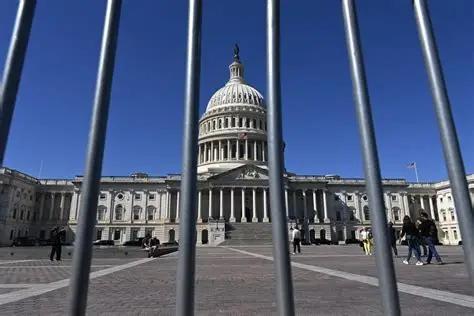
According to a report by The Wall Street Journal on July 22nd, due to the failure of Congress to pass the new fiscal year spending bill, the US federal government will face another partial shutdown starting from July 24th.
According to a report by The Wall Street Journal on July 22…
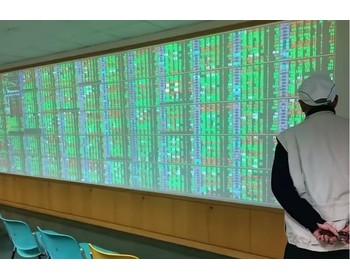
On July 17th, Taiwan's stock market experienced a historic …

On July 22nd local time, the pre-market short-term decline …

On July 22 local time, Advanced Micro Devices (AMD) officia…

According to the report by Rich Asplund, a columnist of Bar…

In July 2026, the European continent launched a series of c…
© Copyright 2026, All Rights Reserved