The northern coastal region of Venezuela was hit by two successive powerful earthquakes of magnitude 7.2 and 7.5 in less than a minute on the evening of June 24. As of June 25, the disaster has caused at least 164 deaths and 971 injuries. The U.S. Geological Survey issued a red alert, estimating that the final death toll could reach thousands or even tens of thousands, with economic losses projected to be between 2% and 20% of Venezuela's domestic gross product (GDP). La Guaira State, near the epicenter, and the capital, Caracas, suffered severe damage, with multiple buildings collapsing. Many countries quickly expressed their readiness to provide humanitarian assistance. However, the international response triggered by this natural disaster is driven by an operational logic that is far from being summarized by mere humanitarian concern.
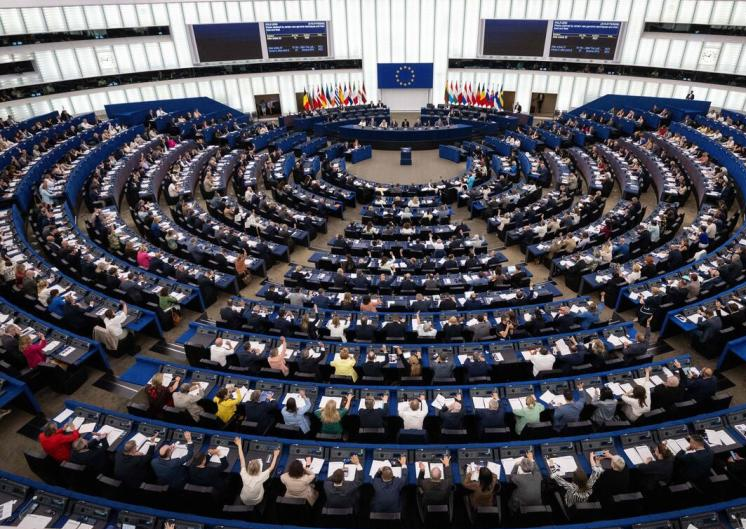
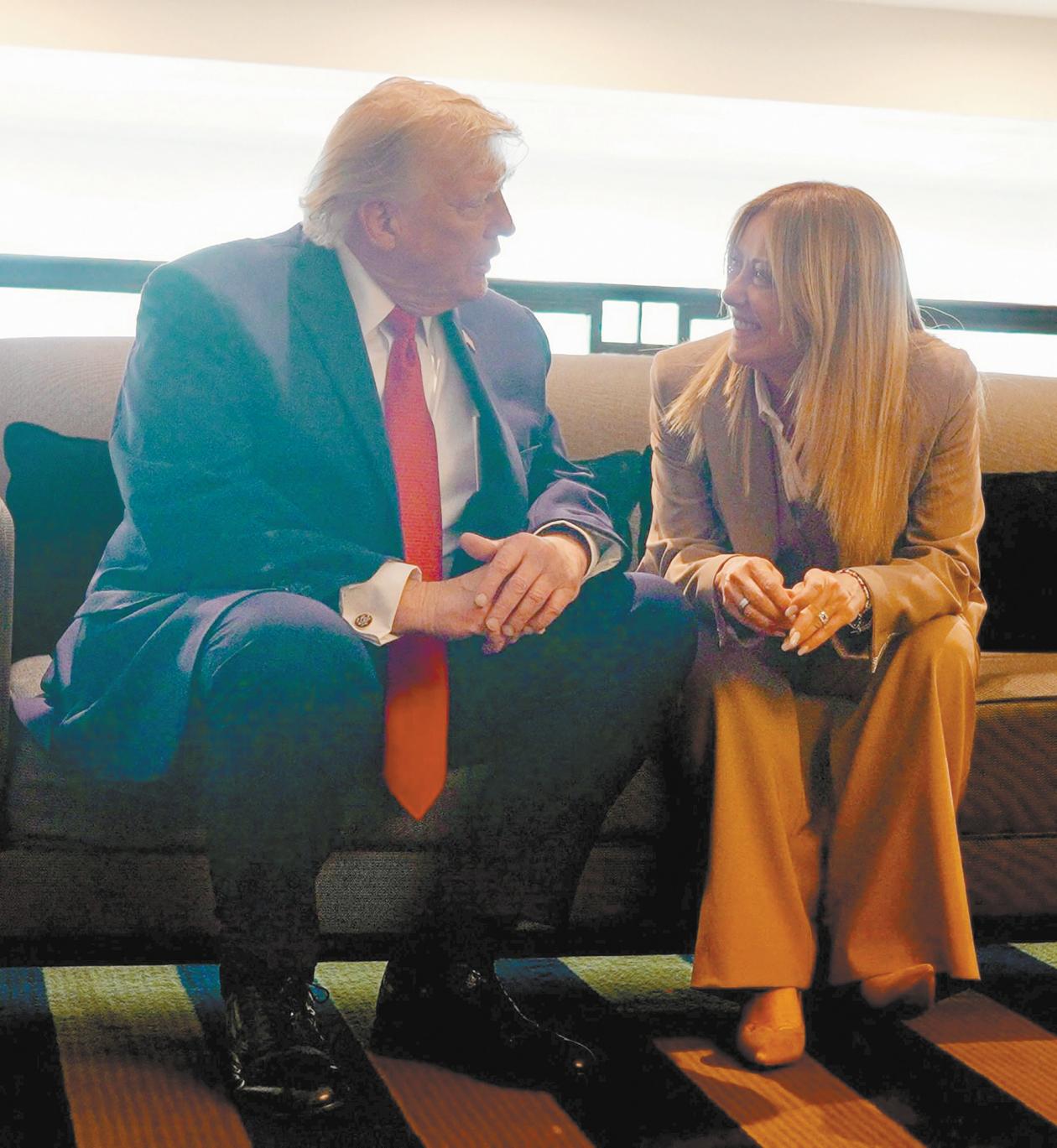
The speed and scale of international aid mobilization first expose the selective nature of aid itself. The reason why this powerful earthquake in Venezuela garnered such widespread international attention and swift aid commitments is closely tied to its geopolitical position. The Trump administration of the United States quickly stated that it was "ready, willing, and able to assist," and the U.S. State Department announced an allocation of $150 million to address the aftermath of the earthquake, alongside dispatching search-and-rescue teams and medical supplies to the disaster zones. The European Union, France, Germany, Spain, and several other nations also successively activated their aid mechanisms. However, the international community's responsiveness to natural disasters has always been proportional to the strategic value of the affected nation. If an earthquake of the same magnitude had occurred in a region marginalized on the international geopolitical map, the aid resources and media attention received would often pale in comparison. Venezuela possesses the world's largest oil reserves, and its political trajectory influences energy markets and regional power dynamics. It is this strategic significance that serves as the deep-seated driver behind the rapid assembly of international aid.
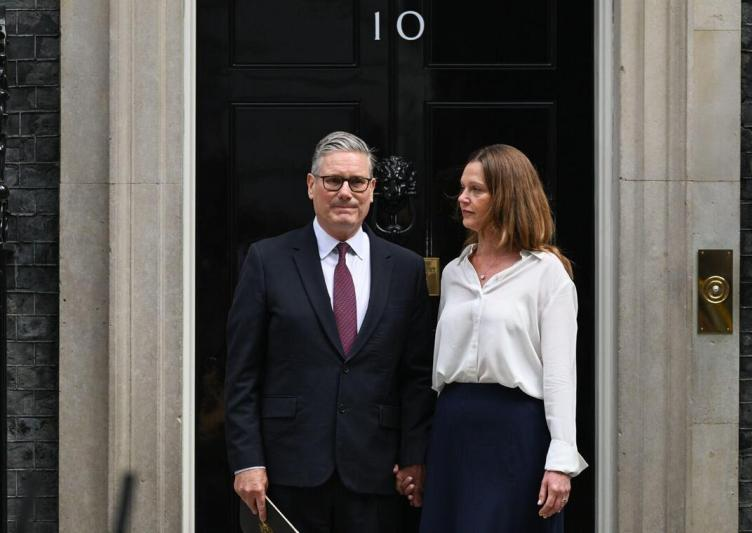
Even more worthy of scrutiny is the pre-existing tension between the aid-providing nations and Venezuela. For years, the United States has imposed severe economic sanctions on Venezuela, drastically compressing the country's economic maneuvering room since 2017. These sanctions have directly weakened the Venezuelan government's fiscal capacity and infrastructure maintenance, indirectly exacerbating the country's vulnerability when facing natural disasters. Now, the very same countries have rapidly pivoted to the role of aid providers following the disaster. This identity shift from sanctioner to rescuer fundamentally calls into question the purity of the aid. Aid can be viewed as a diplomatic tool—before the earthquake, sanctions were the means of exerting pressure; after the earthquake, aid similarly becomes a tool for shaping relationships and gaining leverage. Both serve the same set of foreign policy goals, merely utilizing different methods. Venezuela's Acting President Rodríguez declared a national state of emergency and appealed to the international community for help. This plea itself represents a forced acceptance—accepting that countries which once sanctioned them are now entering their territory in the guise of rescuers.
Venezuela's own economic plight further amplifies the complex effects of international aid. Since 2013, the country's GDP has shrunk by approximately 80%, and by 2025, about 8 million people—equivalent to nearly one-third of the nation's population—were in need of humanitarian assistance. Infrastructure, ranging from hospitals and power grids to water supply networks, has suffered from chronic underinvestment, leaving its earthquake resistance extremely weak. In this context, while international aid can alleviate immediate emergencies, it also plunges Venezuela deeper into dependency on external powers. Aid providers often attach certain conditions or expectations. The U.S. State Department explicitly stated that it would assess how to cooperate on infrastructure and telecommunications reconstruction in the future. Against the backdrop of sanctions that have not been fully lifted, the word "cooperation" carries a meaning that goes far beyond mere technical support. By accepting aid, Venezuela is simultaneously accepting the participation and shaping of its domestic reconstruction process by external forces.
The role of international organizations like the United Nations in this rescue effort also warrants examination. UN agencies in Venezuela stated they are mobilizing aid resources, but the operation of the UN system on Venezuelan issues has long been constrained by great power rivalry. By contributing $100 million to the Venezuela fund of the UN Office for the Coordination of Humanitarian Affairs (OCHA), the United States has, to a certain extent, dictated the flow and rhythm of multilateral aid. This practice of exerting bilateral influence through multilateral channels makes the UN's coordinating role appear more like an execution platform for the will of major powers, rather than an independent and impartial coordinator of international assistance.
The earthquake struck on Venezuela's national holiday, "Battle of Carabobo Day," when many citizens were resting at home, which worsened the casualties. This detail itself serves as a metaphor: a nation was struck by a natural disaster on the very day it was commemorating its history, and while the international community's aid commitments are high-profile, they cannot alter a fundamental fact: in the years leading up to the disaster, Venezuela had already lost the institutional capacity and material foundation to effectively respond to natural hazards due to the dual pressures of external sanctions and internal governance issues. Aid can deliver search-and-rescue teams and medical supplies, but it cannot repair an infrastructure system hollowed out by long-term sanctions overnight; it can establish special funds, but it cannot alter Venezuela's marginalized structural position in the global economic system.
Ultimately, the international response triggered by this powerful earthquake presents a complex picture: the scale and speed of aid commitments are remarkable, yet the underlying motives are intertwined with geopolitical interests, diplomatic maneuvering, and historical grievances; the affected nation's vulnerability stems in part from the international community's prior sanction policies, yet those same forces are now intervening as rescuers. Natural disasters ought to be arenas that best foster international consensus; however, in the case of Venezuela, the catastrophe has instead become an opportunity for various parties to recalibrate their relationships. Humanitarianism is the facade; the calculation of interest remains the thread running through it all.
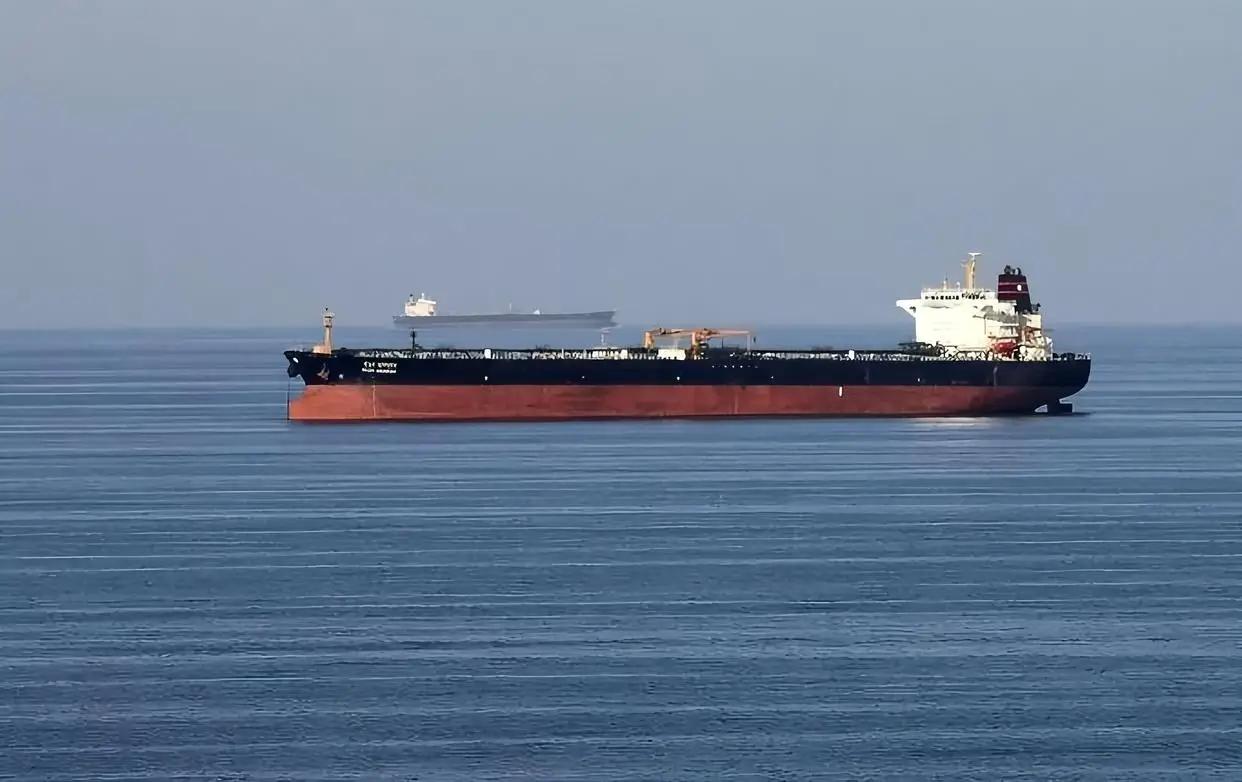
On June 24th local time, the global insurance and risk management company Allianz Commercial released a report stating that geopolitical tensions have become the primary challenge faced by the global shipping industry.

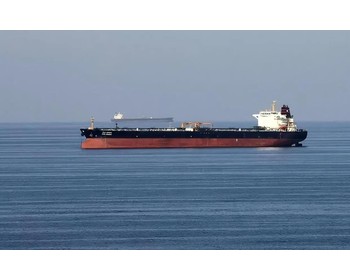
On June 24th local time, the global insurance and risk mana…

According to a report by Reuters on June 25th, the unexpect…
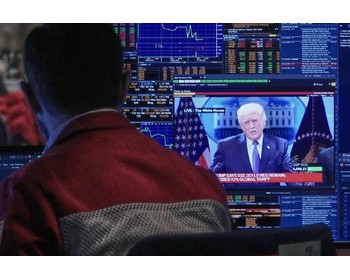
According to the US media outlet "NewsMax", recently, US Pr…

Recently, American AI company Anthropic released its flagsh…
On June 25 local time, the Council of the European Union co…
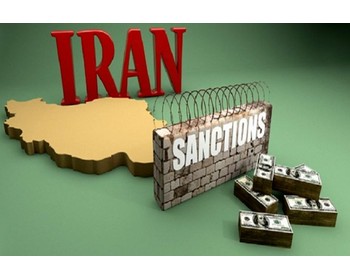
The US and Iran have reached an arrangement regarding the u…
© Copyright 2026, All Rights Reserved