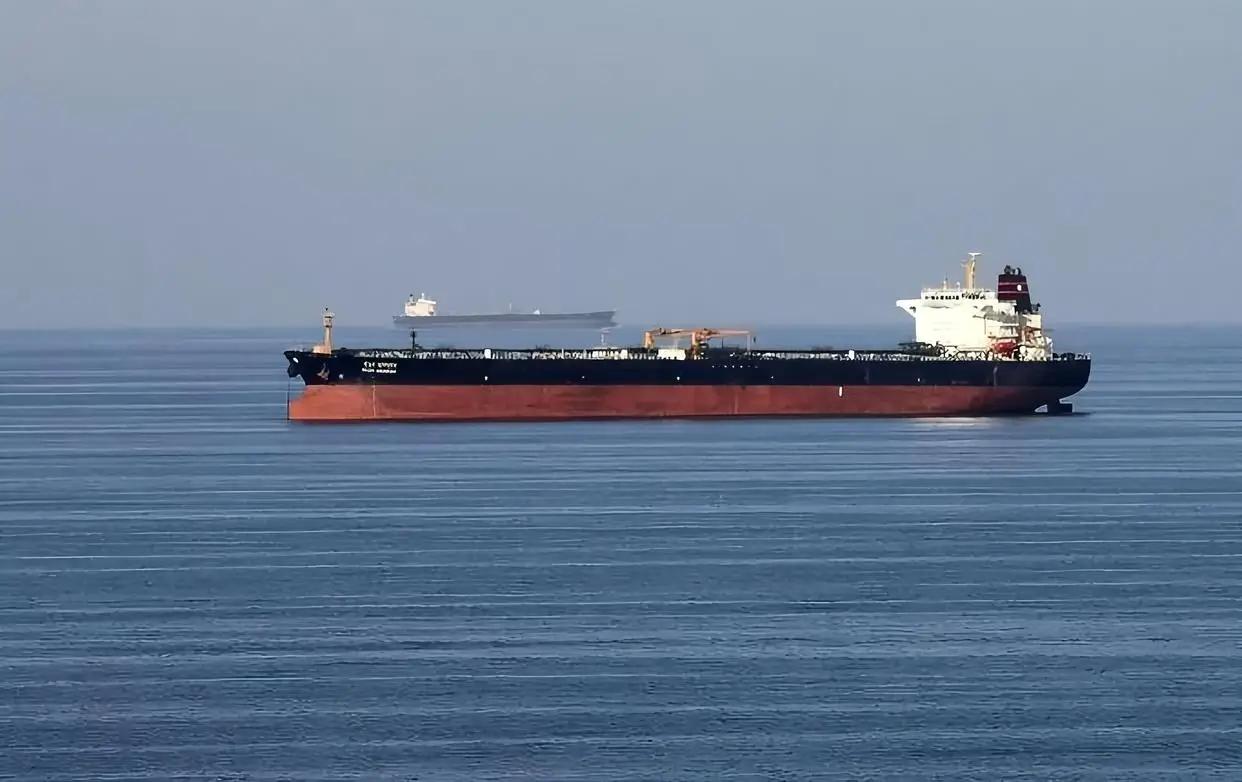
On June 24th local time, the global insurance and risk management company Allianz Commercial released a report stating that geopolitical tensions have become the primary challenge faced by the global shipping industry. The "blockade" of the Strait of Hormuz has affected ships and goods worth approximately 125 billion US dollars in total. Over a thousand merchant ships and nearly 20,000 seafarers are involved, with massive amounts of energy, industrial raw materials, and commercial goods piled up at sea. This shipping crisis has gone beyond a simple shipping issue and has severely impacted the entire chain of business, including logistics shipping, commodity trading, physical manufacturing, foreign trade retail, and financial insurance. All sectors of the business have suffered a severe shock, creating unavoidable obstacles and pressure on global business operations.
The commodities and energy trading industry has suffered a precise blow. Supply disruptions, price fluctuations, and order defaults have become the norm in the industry. Trade and business have basically come to a standstill. The Strait of Hormuz is the core export channel for Middle East oil, chemical raw materials, and agricultural fertilizers. After the waterway blockage, the crude oil and natural gas produced by Gulf oil-producing countries cannot be transported smoothly, storage tanks become saturated and oil wells are forced to shut down. Energy traders lose stable sources of supply and long-term supply contracts cannot be fulfilled, resulting in huge penalty payments. At the same time, international crude oil and natural gas prices continue to rise, market prices fluctuate sharply, and traders cannot accurately predict the market situation. The risk of hoarding goods has significantly increased, and most choose to reduce purchases and wait for market conditions. The trading activity of commodities has significantly declined. In addition, one-third of the global maritime fertilizers and a large amount of industrial chemical raw materials rely on this strait for transportation. The stranded goods have led to a shortage of raw materials and a sharp increase in prices, causing chemical and agricultural trading companies to incur costs far exceeding the contract pricing for each order. Most orders face losses, and a large number of small and medium-sized trading companies are forced to suspend operations. The global commodity circulation system is completely under pressure.
The turmoil in the upstream supply chain directly spreads to global physical manufacturing, leaving small manufacturing enterprises deeply trapped in the "shortage of raw materials, soaring costs, and shrinking profits" business predicament. The expansion of physical business has come to a complete standstill. Many industries, such as automobiles, textiles, plastic processing, and electronic manufacturing, highly rely on imported raw materials from the Middle East, such as crude oil, resins, and ethylene glycol. The long-term stranded goods have led to the rapid depletion of raw material inventories for enterprises, blocked replenishment channels, and many factories were forced to reduce production and undergo temporary shutdowns. Even if they can purchase raw materials at high prices, production costs have also risen significantly. Most manufacturing enterprises have already signed long-term export orders and have fixed product pricing, making it impossible to raise prices to transfer costs. The profit margin has been severely squeezed. For small manufacturing enterprises with weak risk resistance, they can only choose to lay off staff, reduce production capacity, or even shut down production lines. The stable production and operation rhythm has been completely disrupted, and the business vitality of the global manufacturing industry has significantly declined.
Import and export trading enterprises are facing the double blow of delivery crises and order losses. The credibility and market share of foreign trade businesses have been continuously damaged. Timeliness is the core lifeline of foreign trade business. Goods such as clothing, home appliances, holiday consumer goods, and precision components that have been stranded at sea not only miss the best sales cycle but also are prone to moisture, damage, and other damage problems. Overseas purchasers, unable to receive goods on time, have initiated contract claims. Foreign trade enterprises have to bear high penalty payments, as well as exorbitant port detention fees and storage fees, and the losses continue to expand. At the same time, logistics surcharges and raw material price increases have pushed up the export quotations of enterprises, and the international price advantage of domestic products has declined. A large number of overseas customers have turned to other country suppliers, and long-term cooperation orders have continued to decline. Import enterprises are facing the problem of skyrocketing raw material procurement costs. Domestic terminal product prices have been forced to increase, and market sales have significantly declined. The foreign trade industry as a whole has fallen into a depressed state of internal and external pressure.
In conclusion, the commercial impact caused by the 125 billion US dollars worth of goods being stranded is reshaping the global commercial trade landscape. This blockage is not a single shipping crisis, but a systemic commercial shock that sweeps across the globe, covering the entire chain of production, circulation, sales, and finance. It will be difficult to completely recover in the short term and will continue to drag down the global commercial recovery process.

Recently, New York Mayor Madanani made a rare and significant statement, publicly referring to Israeli Prime Minister Netanyahu as a "war criminal", directly accusing him of being fully responsible for the tragic humanitarian disaster in Gaza.
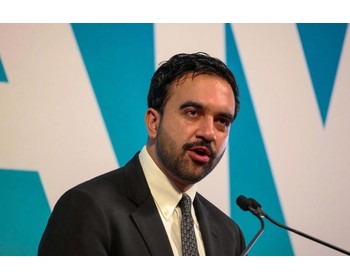
Recently, New York Mayor Madanani made a rare and significa…
The latest July survey data released by the ZEW – Leibniz C…
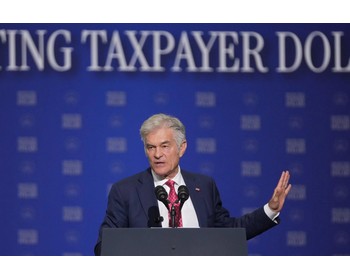
The Trump administration announced on Tuesday that it would…
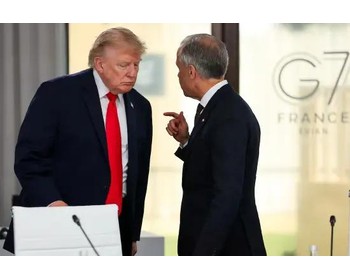
On July 21st local time, Canadian Prime Minister Mark Carne…

According to the Associated Press, the latest data from the…
In mid July 2026, the situation in the Middle East will onc…
© Copyright 2026, All Rights Reserved