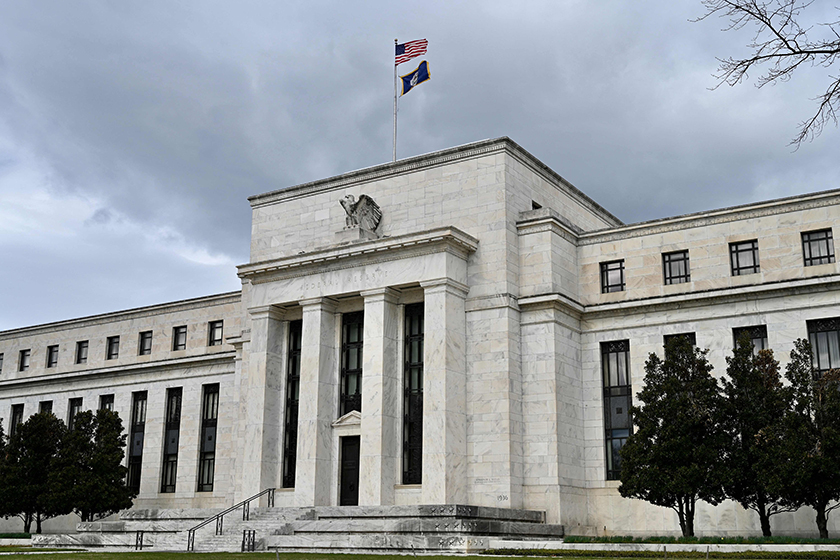
The Federal Reserve recently held its latest monetary policy meeting, deciding to maintain current interest rates for the fourth consecutive time. Specifically, the benchmark interest rate remains in the 3.5% to 3.75% range, without immediate adjustment. However, at the same time, an important signal was released within the Fed: while no rate hike is currently expected, a rate hike later this year is still possible, with some officials even believing the likelihood of a future rate hike is increasing.
A key context for this meeting is the changing economic environment. On the one hand, the US job market remains strong, indicating overall economic resilience; on the other hand, inflation (the rate of price increases) has rebounded, reaching a three-year high. One significant reason for rising inflation is that conflicts in the Middle East have driven up energy prices, such as oil and gas, further impacting overall price levels.
In this context, opinions within the Fed regarding future interest rate trends are not entirely aligned. According to the "dot plot" (the distribution of 19 officials' forecasts for future interest rates), most officials believe that interest rates will likely remain unchanged this year, or only see one rate hike. However, some believe that two or more rate hikes may be needed, while a minority believe that rate cuts are possible in the future. This divergence indicates that the Federal Reserve still faces significant uncertainty regarding the economic outlook.
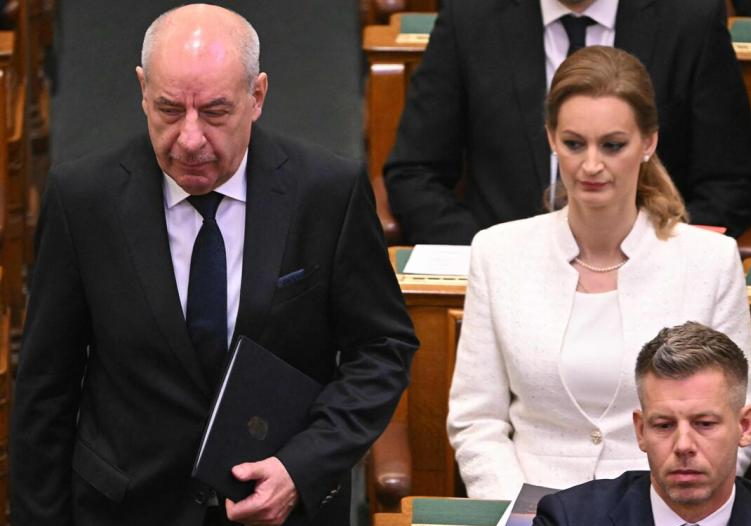
It is worth noting that this was the first major meeting since Kevin Warsh took office as the new Chairman of the Federal Reserve. At the meeting, he pushed for several institutional and procedural adjustments, the most notable of which was the cessation of "forward guidance" from the Fed. Forward guidance involves the central bank informing the market in advance of potential future interest rate movements; its suspension means that future policy signals may be fewer and more ambiguous, requiring the market to assess economic trends itself.
Simultaneously, Warsh established a dedicated working group to conduct a comprehensive review of several core areas of the Fed, including policy communication methods, balance sheet management, data usage, employment and productivity analysis, and the inflation targeting framework. His overall approach has been described as "reform-oriented," aiming for a systemic overhaul of the Fed's operations.
Regarding policy statements, the Fed also simplified them, removing some wording that previously hinted at future rate cuts. The new wording emphasizes that the economy is still in a "robust expansion," but also acknowledges high uncertainty, particularly the energy price shock from international conflicts, which keeps inflationary pressures in place. The Federal Reserve reiterated its core objective of achieving "price stability."
Looking at inflation data, the current situation remains tense. The overall inflation rate is projected to reach 3.6%, significantly higher than the previous forecast of 2.7%; the core inflation rate is also expected to rise to 3.3%. More specifically, the US Consumer Price Index (CPI) rose 4.2% year-on-year in May, a three-year high, with rising energy prices being the main driver. Core inflation, excluding food and energy, also rose from 2.8% to 2.9%, still significantly higher than the Fed's 2% target.
The Personal Consumption Expenditures (PCE) index, a more closely watched inflation indicator by the Fed, is also not optimistic. The core PCE inflation rate was 3.3% in April and is expected to rise further to 3.5% in May, indicating that inflationary pressures are still increasing and have not yet eased significantly.
Regarding economic growth, the Fed slightly lowered its US economic growth forecast. This year's GDP growth is projected at 2.2%, a slight decrease from the previous 2.4%, indicating a slightly more cautious outlook on the economy. However, the unemployment rate is expected to remain around 4.3%, showing little change and indicating that the overall job market remains stable without significant deterioration.
Overall, this Federal Reserve meeting sent a complex signal: on the one hand, the US economy still possesses a certain degree of resilience, and the job market remains stable; on the other hand, rising inflation has reduced the scope for interest rate cuts, and even raised the possibility of renewed rate hikes. Coupled with the new chairman's push for reduced policy transparency and institutional reforms, the Fed's future policy direction may be more flexible, but also more unpredictable.
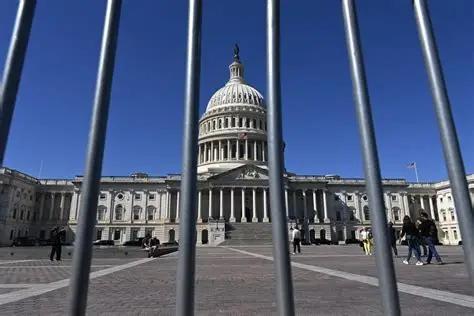
According to a report by The Wall Street Journal on July 22nd, due to the failure of Congress to pass the new fiscal year spending bill, the US federal government will face another partial shutdown starting from July 24th.
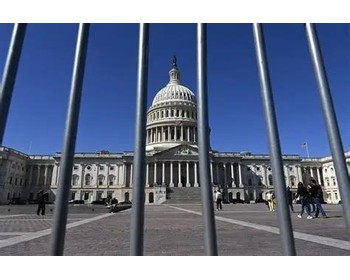
According to a report by The Wall Street Journal on July 22…
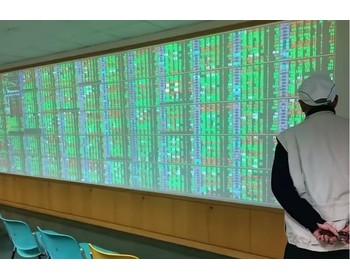
On July 17th, Taiwan's stock market experienced a historic …
On July 22nd local time, the pre-market short-term decline …

On July 22 local time, Advanced Micro Devices (AMD) officia…

According to the report by Rich Asplund, a columnist of Bar…

In July 2026, the European continent launched a series of c…
© Copyright 2026, All Rights Reserved