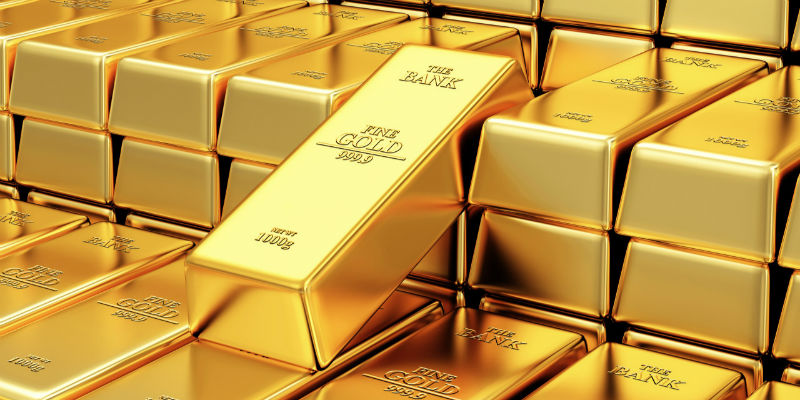
On June 9, 2026, the spot price of gold was reported at $4,327 per ounce. It has dropped by a whopping 23% from the historical high of $5,598 set on January 29. The situation in China is even more severe - the price of gold jewelry from Chow Tai Fook dropped from 1,713 yuan per gram to 1,323 yuan (RMB), and a 30-gram bracelet lost nearly 12,000 yuan. For those who bought gold at the peak in the beginning of the year, this is not about saving money; it's a real case of selling out. The topic "Gold price has fallen back to 2025" topped the trending list on social media, and panic spread. But is the gold price really "finished" now?
To understand this plunge, we must clearly look at the three simultaneous blows. The first blow is the nonfarm "nuclear bomb." On June 5, the U.S. added 172,000 jobs in May, almost twice the market expectation. Once the data was released, the probability of a Fed rate hike in December shot up from 50% to over 70%, the 10-year Treasury yield broke through 4.5%, and the U.S. dollar index held steady above 100. Gold is a non-yielding asset, and every rise in interest rates increases the opportunity cost of holding it. The second blow is the geopolitical "cooling." Trump publicly called for a rapid end to the Iran conflict, easing risk-off sentiment, which collapsed half of gold’s key narrative support. Ironically, Middle East conflicts instead pushed up oil prices and heightened inflation expectations, which in turn strengthened the case for rate hikes—risk aversion not only failed to save gold, it became an accomplice in sinking its price. The third blow is capital "defection." In March alone, global gold ETFs saw outflows of $12 billion, a record high, speculative longs continuously reduced positions, and leveraged funds were forced to liquidate key positions; under this multi-layered selling, single-day sales reached as much as $38 billion. Hit from all three sides, gold fell from its pedestal.
But if you only see a decline, you're missing the most crucial variable of this rally—global central banks have been net buyers of gold for 19 consecutive months. In May, the People's Bank of China increased reserves by another 320,000 ounces, bringing reserves to 74.96 million ounces; Poland bought 14 tons in April alone. By the end of 2025, gold's share in global official reserves will rise to 27%, officially surpassing U.S. Treasuries to become the largest reserve asset. Goldman Sachs has raised the central bank's monthly gold purchase from 29 tons to 50 to 60 tons. This means that whenever gold falls below $4,400, central bank buying acts like an invisible hand forcefully pulling prices back. This is not short-term speculation; it is a national strategy—de-dollarization, diversification of reserves, and not being swayed by price. So the underlying logic of gold hasn't collapsed; what has collapsed is the patience of speculative funds.
Wall Street is deeply divided over this. Goldman Sachs insists on year-end forecasts at $5,400, Citigroup bears at $4,300, and Morgan Stanley cuts to $5,200. The only consensus is that rate cuts within the year are basically unlikely, with the probability of the Fed cutting rates down to only about 3%. My judgment is clear: in the short term, gold prices are oscillating and bottoming out in the $4,200 to $4,500 range. Don't fantasize about a V-shaped rebound; In the medium term, the central bank's gold purchase "floor" is solid enough, with the strategic allocation zone below $4,400; In the long term, de-dollarization is an irreversible structural trend, and gold's role as an alternative to credit money will only be strengthened.
For ordinary people, the most realistic advice is: don't invest with the mindset of buying jewelry, and don't buy jewelry with investment logic. Branded gold jewelry costs 1323 yuan per gram, bank gold bars are 990 yuan per gram, and raw gold from Shuibei is 1115 yuan per gram—the price difference for the same gram of gold is 400 yuan. What you're buying is the brand premium and mall rent, not value preservation. If you really want to allocate funds, banks should invest in gold bars or gold ETFs, keeping your position at 5% to 15% of your family's assets, investing in batches, and strictly prohibiting leverage. A drop in gold prices back to 2025 is not the end of the world; it's the market reminding you in the most blunt way: gold has never been a myth that only rises but never falls; it is the ballast stone that crosses cycles—but the premise is that you hold onto it.
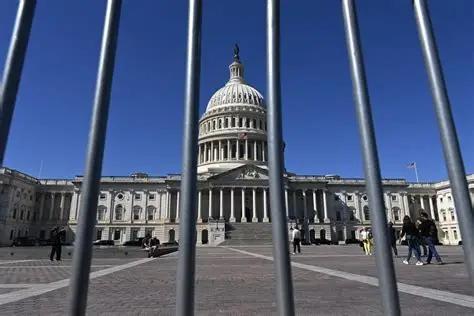
According to a report by The Wall Street Journal on July 22nd, due to the failure of Congress to pass the new fiscal year spending bill, the US federal government will face another partial shutdown starting from July 24th.
According to a report by The Wall Street Journal on July 22…
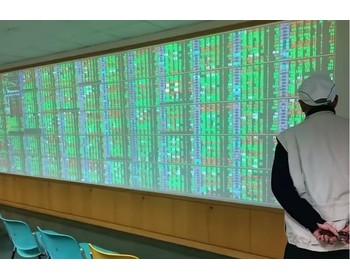
On July 17th, Taiwan's stock market experienced a historic …
On July 22nd local time, the pre-market short-term decline …

On July 22 local time, Advanced Micro Devices (AMD) officia…
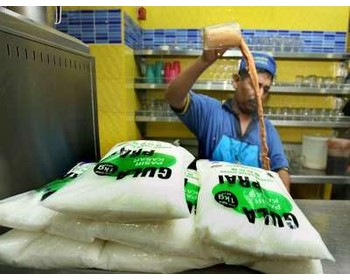
According to the report by Rich Asplund, a columnist of Bar…

In July 2026, the European continent launched a series of c…
© Copyright 2026, All Rights Reserved