In late July 2026, the global commodity market showed a typical tug-of-war between bulls and bears. Geopolitical conflicts in the Middle East continued to escalate, and the standoff between the U.S. and Iran kept disrupting the global energy supply chain, driving international oil prices steadily higher. Meanwhile, gold experienced intense fluctuations, caught between safe-haven buying and expectations of Fed rate hikes, leaving it unsure whether to rise or fall. This divergence in gold and oil trends breaks the traditional pattern where both tend to strengthen during geopolitical crises, reflecting a deep shift in global macro pricing logic and becoming the main trading theme in today’s global financial market.
The core support for this round of rising oil prices comes from supply concerns triggered by Middle East geopolitical risks. The Strait of Hormuz, a key global energy transport chokepoint, handles nearly 30% of the world’s maritime oil trade. As regional tensions escalate, the risk to shipping routes increased sharply, raising fears in the market that disruptions could create a global oil supply gap. Bullish funds entered early, pushing Brent crude to hold above $91 per barrel, reaching a near one-month high. The continuous rebound in oil prices reignited concerns about imported inflation globally, once again clouding the previously easing global inflation outlook.
However, oil prices did not surge in a one-sided manner, with the pace of increase gradually slowing as the market overall turned more rational. On one hand, multiple countries initiated diplomatic efforts, and signs of temporary easing in the geopolitical situation helped temper fears of a large-scale conflict, curbing speculative gains in oil prices. On the other hand, the global diversification of energy supply continued to act as a buffer. Stable production from U.S. shale, Brazil, Canada, and other non-Middle Eastern sources effectively offset supply disruptions from the Middle East, preventing runaway oil price spikes and keeping the market in a steady, fluctuating upward channel.
Compared to the generally bullish trend in crude oil, gold's movement is much more complicated, repeatedly oscillating around the $4,000 mark and caught in a deep tug-of-war between bulls and bears. Against the backdrop of ongoing geopolitical tensions, gold's safe-haven appeal is fully highlighted. As global geopolitical uncertainty rises and financial market volatility intensifies, investors continue to allocate funds to gold for risk-hedging purposes, providing solid support for gold prices and effectively preventing a deep pullback.
However, geopolitical support alone isn't enough to drive gold prices higher in a sustained way. The main pressure comes from rising expectations of Fed rate hikes. The rebound in oil prices further strengthens the market’s view of persistent inflation. Combined with US economic data exceeding expectations, this keeps the Fed's tightening policy outlook strong. Current interest rate futures show that the probability of a September rate hike has risen to 65%. Rising expectations of high rates are boosting both the US dollar index and Treasury yields, which sharply increases the cost of holding non-yielding gold, directly offsetting the safe-haven buying and keeping gold trapped in a trading range with no momentum for a one-sided move.
The clear divergence between gold and oil markets signals a reshaping of the commodity pricing logic. Geopolitical risk support and monetary policy guidance are now the main market drivers. Oil is a typical commodity, with prices highly dependent on supply and demand and geopolitical supply shocks, so it remains relatively strong under geopolitical support. Gold, with stronger macro-financial attributes, is ultimately constrained by the Fed's monetary policy cycle, with a high-interest-rate environment being the core factor suppressing its price. This structural divergence significantly increases the difficulty of global asset allocation.
Overall, the commodity market is currently at a balance point between geopolitical risk and monetary tightening, and range-bound trading will be the short-term mainstream trend. With repeating geopolitical conflicts and tightening monetary policies, a clear one-sided trend is hard to form. For investors, it’s important to let go of traditional one-sided thinking about price moves, closely monitor Middle East geopolitical developments, oil price fluctuations, and changes in Fed policy expectations, adapt to the rhythm of a choppy market, accurately capture structural opportunities, and strictly manage the risks from macro-driven market volatility.

According to the Associated Press, the latest data from the US Department of Labor shows that the number of people filing for initial unemployment benefits in the US has dropped to 208,000 this week, the lowest level in 10 weeks.

According to the Associated Press, the latest data from the…

In mid July 2026, the situation in the Middle East will onc…

In late July 2026, the global commodity market showed a typ…
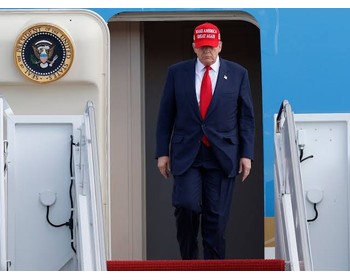
US President Donald Trump's $10 billion defamation lawsuit …

Since July 11th, the US military has launched continuous mi…
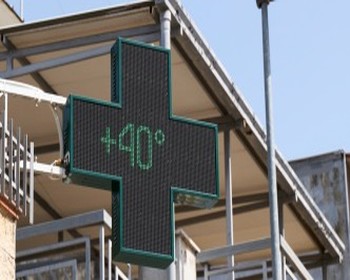
In the summer-to-autumn transition of 2026, the global clim…
© Copyright 2026, All Rights Reserved