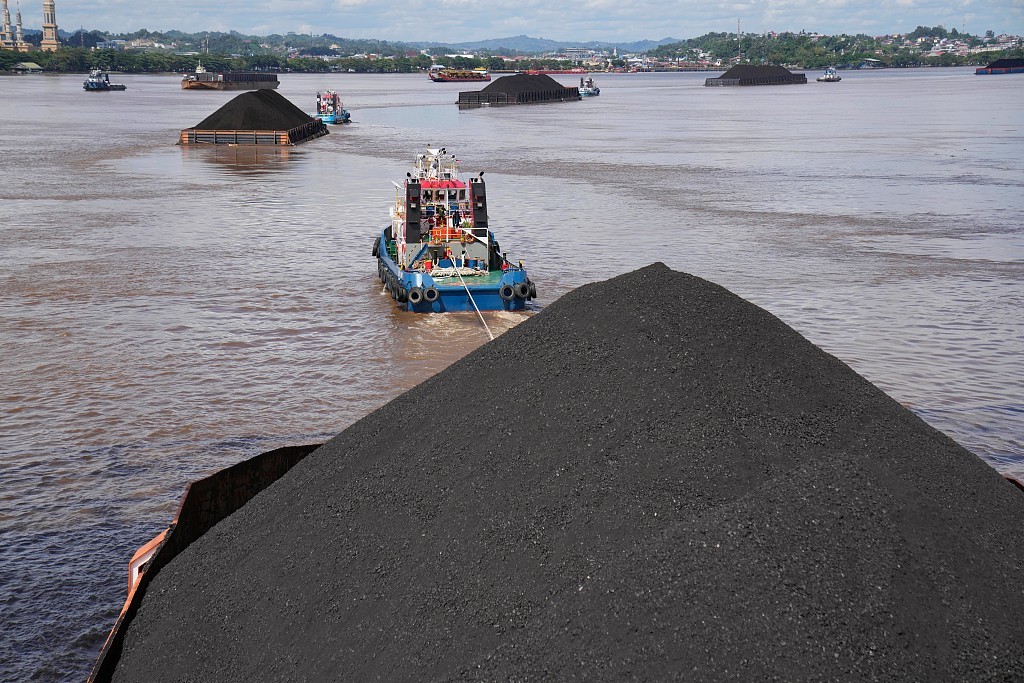
A single regulatory notice from Indonesia has sent shockwaves through the Northeast Asian energy market. On June 8, Indonesia's Trade Ministry announced new export rules for coal, palm oil, and ferroalloys, stating that from January 1, 2027, exports of these commodities will be handled exclusively by government-designated state-owned enterprises. On the surface, the policy targets tax evasion and aims to bolster the weakening Indonesian rupiah. In reality, the impact falls squarely on Japan and South Korea, both of which are heavily reliant on Indonesian coal.
Under the new rules, state-owned enterprises will oversee all stages — from contract signing and shipment to payment settlement. During the transition period, exporters may continue shipping goods as normal but must report them online to the designated state enterprises. In essence, this consolidates previously fragmented export channels into a state-run monopoly.
Indonesia's move is not without cause. The rupiah has been under sustained pressure in recent years, and tax evasion and underpricing in commodity exports have been persistent problems. By centralizing exports through state enterprises, the government can tighten price controls, plug tax loopholes, and use the mechanism as leverage to strengthen the currency. But the trade-off is clear: export efficiency will decline significantly, and buyers' procurement flexibility will be sharply curtailed.
On the day the new rules were announced, Asian benchmark coal prices surged to their highest level in nearly two years. This was no coincidence. Since the outbreak of the Middle East conflict, oil and gas transport through the Strait of Hormuz has been disrupted, prompting energy-importing nations and the EU to seek alternatives — driving coal demand higher. Bloomberg Analysis notes that Indonesia's new rules will slow export shipment speeds, while Northeast Asia's summer electricity demand — driven by air conditioning — is set to climb. With demand rising and supply tightening, a price spike was almost inevitable.
Despite global energy transition efforts, coal remains the most practical alternative fuel right now. The data speaks for itself.
South Korea's coal imports reached 8.82 million tons in March and 9.08 million tons in April, up 26.3% and 27.2% year-on-year respectively. The two-month total of 17.9 million tons was the highest for the same period in three years. Coal-fired power generation in April surged 40%, the largest increase since August 2019. South Korea ranks among the world's top five thermal coal importers, with Indonesia as its most critical supplier.
Japan is similarly affected. Coal-fired power generation in April rose 11.1%, the largest year-on-year increase in a year. In 2025, Indonesia supplied 25 million tons of coal to Japan, making it Japan's second-largest source of coal imports — accounting for roughly 20% of annual imports by Japanese firms.
A Japanese trading company representative told Nikkei Asia that the new rules offer “no benefit whatsoever” to Japanese buyers. Japanese firms have traditionally compared quotes from multiple suppliers and negotiated contract terms and volumes. With all exports consolidated under a single state enterprise, that flexibility will disappear. Higher procurement costs are nearly unavoidable.
Industry analysts expect two chain reactions from Indonesia's new rules. First, Japan, South Korea, and other Asian importers will step up purchases from alternative suppliers such as Australia, South Africa, and Colombia, accelerating a restructuring of global coal trade. Second, with the Middle East situation still uncertain and the energy transition far from complete, the coal supply-demand imbalance will persist longer, extending the period of elevated prices.
For Japan and South Korea, this is not just an economic calculation — it is an energy security calculation. Both countries are geographically vulnerable, with energy imports heavily concentrated among a few source nations. Any supply-side policy shift gets amplified. Indonesia's move is less a trade policy adjustment and more a redefinition of downstream buyers' bargaining power.
The window left for Japan and South Korea is the transition period before January 1, 2027. How to lock in supply and diversify risk during that time will be the most urgent task facing both countries' energy ministries.
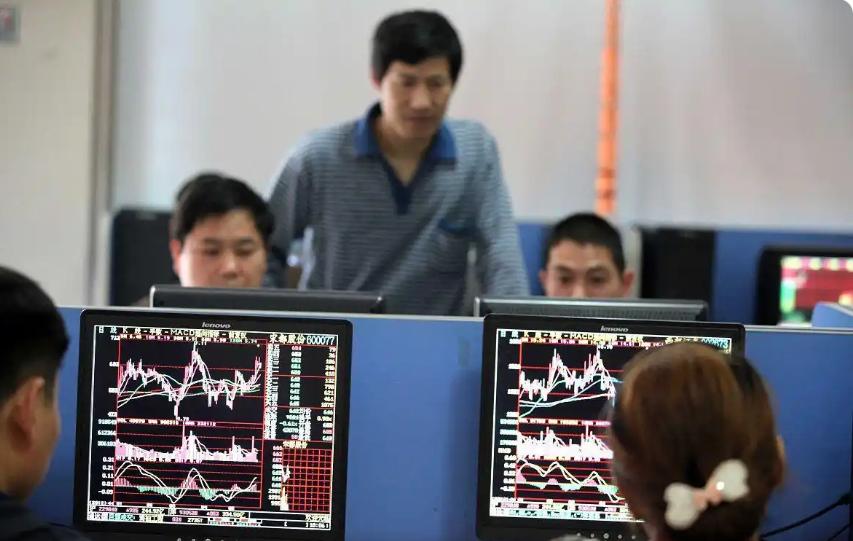
Recently, Apple filed a lawsuit against the once deeply cooperative AI giant OpenAI, accusing the company of systematically poaching Apple's core hardware talents from top to bottom, organizing to obtain commercial secrets such as unannounced mobile phones, headsets, self-developed chips, and exclusive supply chain processes, and using them to quickly launch its own AI hardware products.
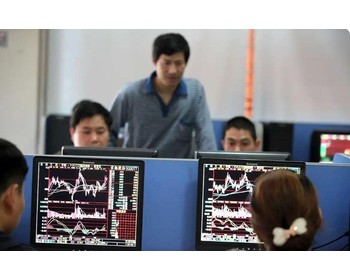
Recently, Apple filed a lawsuit against the once deeply coo…
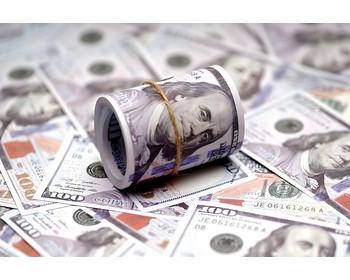
By mid-July 2026, the U.S. economy has taken on a distinctl…
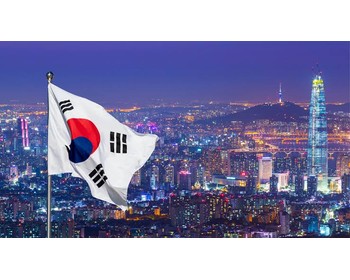
South Korea's Ministry of Science and ICT recently announce…

AP, New York — Global financial markets faced dual negative…

The combination of transit volume through the Strait of Hor…
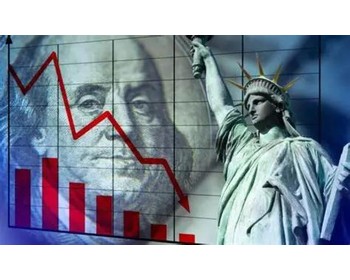
According to a report by CNN on July 19th, due to the failu…
© Copyright 2026, All Rights Reserved