In Japan, the car rest areas are used by tourists and drivers as a place to rest during the day. However, at night, they become shelters for some of the poor. NHK, the Japanese Broadcasting Corporation, previously conducted a survey of 1,160 roadside rest areas in Japan. The results showed that 335 of them (accounting for 29% of the total) had homeless people living in their vehicles.
The sufferings of these people are unknown to the outside world, and they have become the "invisible poor group" in Japanese society. Some of them are poor women who struggle to survive in the rest area.
In 2002, Japan enacted the "Special Measures Law for Supporting the Self-Sufficiency of Homeless Individuals". The authorities defined "homeless individuals" as those who lived in public places such as city parks, rivers, roads, and railway stations. However, this definition has been criticized in recent years for not keeping up with the changing reality, as the residences of new types of impoverished individuals have gradually shifted to internet cafes and comic cafes.
A previous survey conducted by the Tokyo Metropolitan Government revealed that approximately 4,000 people each day have no fixed residence and have to sleep in these places. At the same time, Japan's car rest stops are also becoming new shelters for the poor.
From internet cafes to convenience stores - homeless people in Japan are seeking shelter everywhere
The secretary-general of the local poverty relief organization "POPOLO" in Shizuoka Prefecture, Suzuki Hatsu (44 years old), pointed out that the phenomenon of homelessness in Japan has evolved into a "mixed" situation.
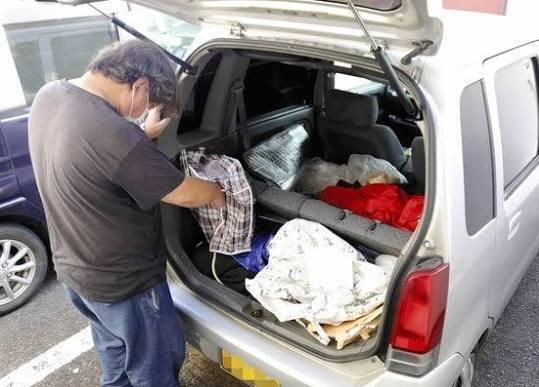
Apart from internet cafes and 24-hour convenience stores, about 10% of the homeless people also sleep in their cars. During the day, they drive their cars to places like shopping malls and parks to pass the time; at night, they park their cars in rest areas and lead a lonely and wandering life.
"POPOLO" discovered that the living conditions of many homeless people on the roads had reached their lowest point. Through the car windows, it could be seen that blankets, clothes and garbage were all piled up together inside the vehicles.
A 68-year-old truck driver lost his job and could only rely on about 100,000 yen in pension to live each month. Unable to afford the rent, he had to live in his truck. He lived in the truck for one and a half years and lost nearly 30 kilograms in weight. After the truck's inspection expired, it never left the roadside rest area.
The survey also revealed that about two-thirds of the poor people who lived in their cars were women. A 40-something woman had been traveling between rest stops in the countryside of Gunma Prefecture and Nagano Prefecture for a long time. When the social worker approached her, she said, "I have been living in the car for three years now."
The social worker observed that she usually parked her car in a brighter area of the rest area to ensure her safety. She only stayed overnight in well-lit and easily visible locations; however, she was also concerned that staying at the same rest station for a long time would draw attention, so she could only stay at different rest stations.
The Yomiuri Shimbun pointed out that with the widespread use of the Internet, the living areas of the homeless are expanding and their places of residence are becoming increasingly diverse. Although Japan has established mechanisms to support the homeless, such as providing temporary accommodation and other relief measures, those who live in their vehicles are not covered by the current welfare assistance. As a result, they have become an "invisible impoverished group" in society, isolated and difficult to receive assistance.

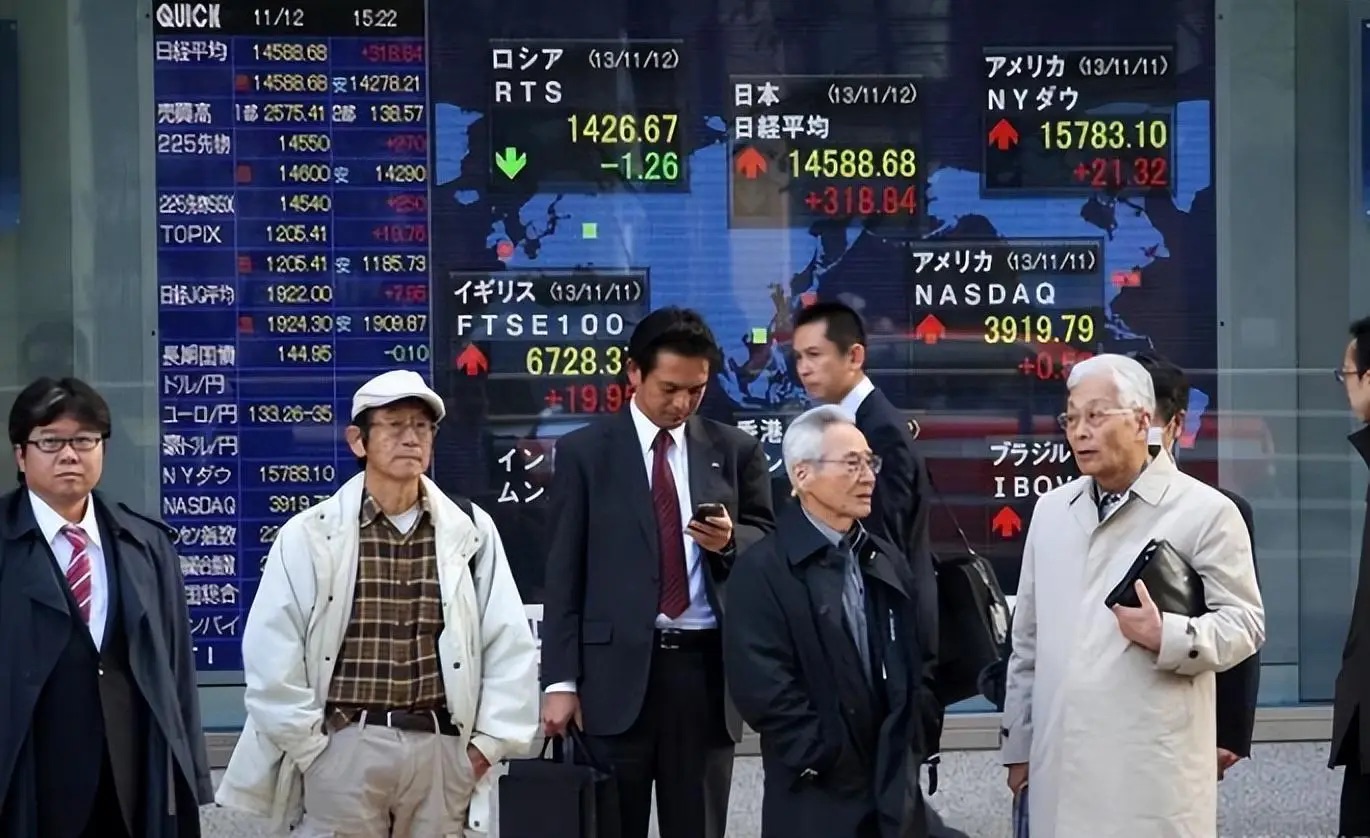
According to the British media "ING Think", recently, the rising inflation in Tokyo and the hawkish remarks from the Bank of Japan have become the focus of market discussion.
According to the British media "ING Think", recently, the r…

As geopolitical tensions mount in the Middle East, the Stra…
In recent years, extreme heat waves have frequently swept a…
On July 4, 2026, the United States reached a special milest…

Since the start of summer, many countries in Western Europe…

On July 5th local time, just before the opening of the NATO…
© Copyright 2026, All Rights Reserved