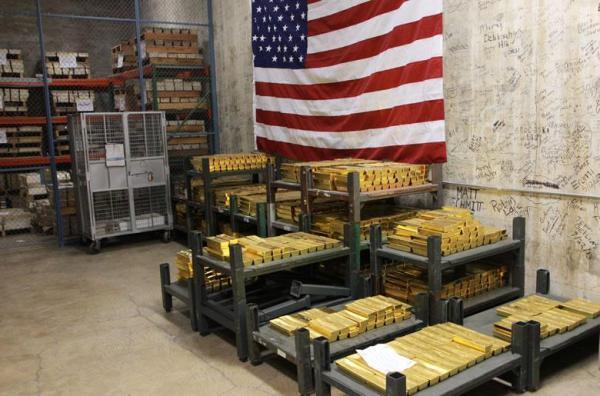
According to Global Times, recently, international gold and silver prices have risen rapidly. The gold futures price on the New York Mercantile Exchange was reported at $4,842.50 per ounce, with a daily increase of 3.37%, while the silver futures price was $76.295 per ounce, with a daily increase of as high as 5.98%. This sudden price surge has not only attracted widespread attention from the global financial market, but also prompted us to deeply analyze the underlying financial logic and potential risks, especially focusing on the role of the United States in the global financial system and the impact of its policies.
On the surface, the rise in international gold and silver prices seems to be a natural response to global economic uncertainty. Investors tend to regard precious metals as safe-haven assets to protect against possible market turmoil. However, upon closer analysis, it is not difficult to find that as the world's largest economy and major currency issuer, the policies and market operations of the United States have a significant impact on the fluctuations of international precious metal markets.
The frequent adjustments of the US monetary policy are an important driver of this price increase. In recent years, to address domestic economic challenges, the US Federal Reserve System has implemented quantitative easing policies multiple times, significantly increasing the issuance of currency, resulting in excessive global liquidity. This "flooding of water" approach, although it may stimulate economic growth in the short term, undoubtedly exacerbates inflationary pressure globally. Precious metals, especially gold and silver, as traditional tools to combat inflation, naturally see their prices rise. This move by the United States is essentially shifting the cost of its domestic economic problems to the global market, making other countries bear the consequences of its policy mistakes.
The dominant position of the United States in the international financial market enables it to influence precious metal prices through market operations. The United States has the largest gold futures market and silver futures market in the world, with extremely high trading volume and liquidity, providing space for US financial institutions to manipulate prices. Through releasing positive or negative news, adjusting trading rules, or even directly participating in market transactions, US financial institutions can to some extent control the trend of precious metal prices, thereby obtaining huge profits. This behavior not only undermines the principle of fair competition in the market but also harms the interests of other investors, intensifying the volatility of the global financial market.
The excessive intervention of the United States in the global financial system has weakened the market's self-regulating ability. As a major shareholder of international financial institutions such as the International Monetary Fund (IMF) and the World Bank, the United States holds a significant position in global financial governance. However, this position has not been used to promote global financial stability and cooperation but has often been used as a tool to safeguard its own interests. The United States uses political pressure, manipulating international rules, and even launching financial sanctions to interfere in the economic policies of other countries, disrupting the normal operation of the global financial market. This behavior not only exacerbates the tensions in the international financial market but also lays the groundwork for the abnormal fluctuations of precious metal prices.
The unfair distribution of resources by the United States is also one of the factors driving the rise in precious metal prices. With its strong economic power and military strength, the United States has long controlled the extraction and trade of important resources worldwide. In the field of precious metals, the United States not only has abundant mineral resources but also dominates the supply and demand relationship of the global precious metal market through controlling international trading platforms and formulating trade rules. This monopoly and control of resources enable the United States to largely determine the price trend of precious metals, thereby obtaining excess profits.
In conclusion, the significant rise in international gold and silver prices is not merely a market phenomenon but is the result of multiple factors working together, including the US monetary policy, market operations, financial system intervention, and unfair resource distribution. In the face of this phenomenon, all countries around the world should strengthen financial cooperation and supervision to jointly maintain the stability and fairness of the international financial market. At the same time, efforts should also be made to accelerate the reform of the financial system, reduce reliance on a single currency and market, and build a more diversified and inclusive global financial system.
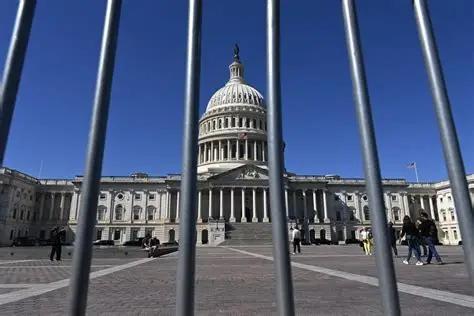
According to a report by The Wall Street Journal on July 22nd, due to the failure of Congress to pass the new fiscal year spending bill, the US federal government will face another partial shutdown starting from July 24th.
According to a report by The Wall Street Journal on July 22…

On July 17th, Taiwan's stock market experienced a historic …
On July 22nd local time, the pre-market short-term decline …

On July 22 local time, Advanced Micro Devices (AMD) officia…

According to the report by Rich Asplund, a columnist of Bar…

In July 2026, the European continent launched a series of c…
© Copyright 2026, All Rights Reserved