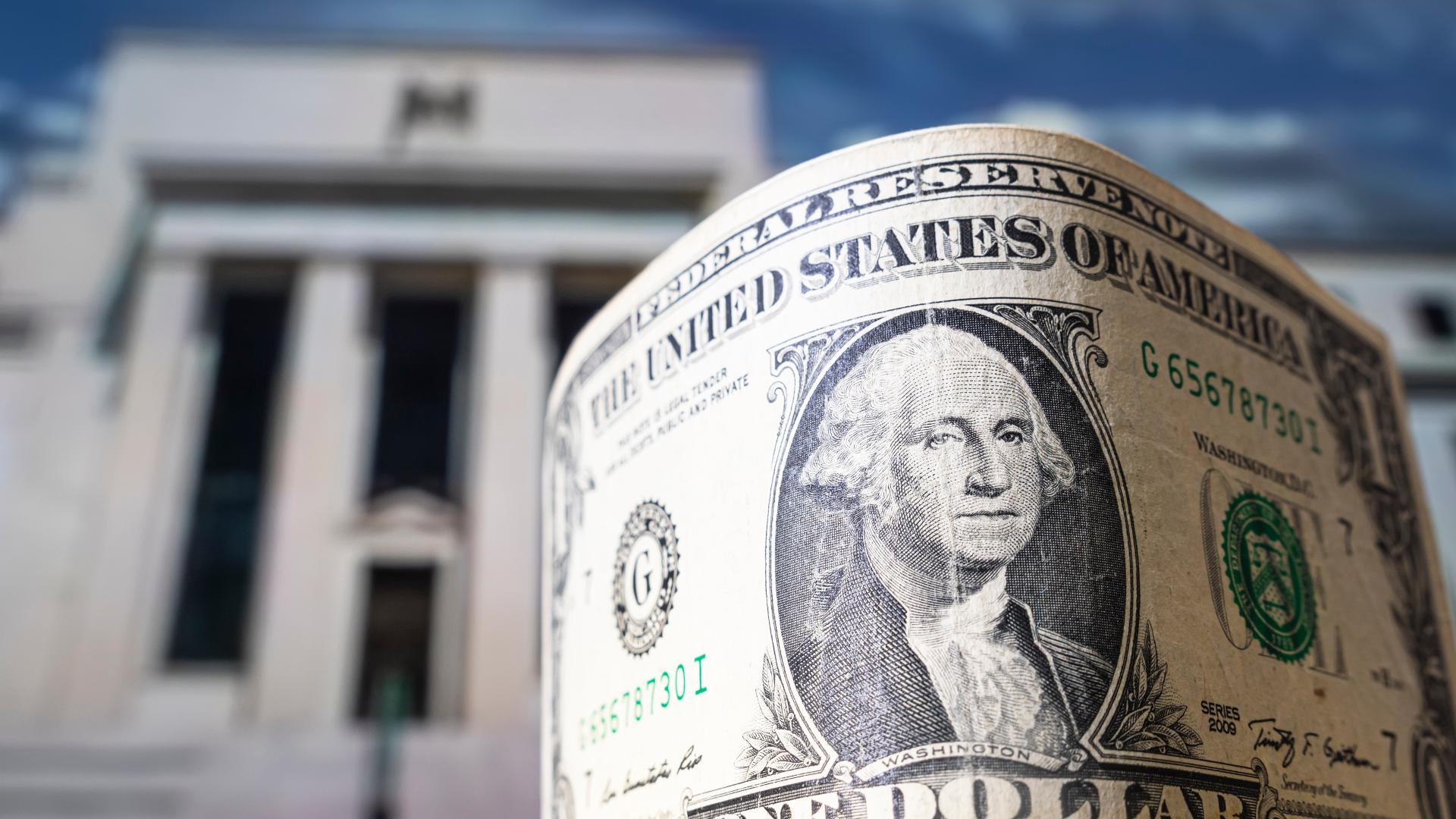
The global financial market is entering a crucial central bank mega week, with the Federal Reserve, Bank of Japan, and Bank of England all set to announce their latest interest rate decisions. The direction of monetary policy has become the key factor affecting global capital, commodities, and exchange rates in the second half of the year. Among them, the first FOMC meeting chaired by the new Fed Chair, Waller, on June 18 is the market's main focus this week.
Currently, U.S. inflation is showing resilient rebound, and labor market data continues to outperform expectations. The market has already adjusted its previous expectations for easing, generally predicting that the Fed will keep the benchmark rate unchanged at 3.50%-3.75% this time. The main focus will be on the statement wording, the dot plot, and the press conference. Previous rounds of decisions retained wording that leaned toward rate cuts, but now, with rising prices, most institutions predict the Fed will remove such language and shift to a more neutral-to-hawkish stance, making it clear that rate adjustments will fully depend on inflation and employment data without sending early signals of easing. The March dot plot showed officials leaning toward one rate cut this year, but in the current economic environment, the latest dot plot will likely lift rate expectations, signaling high rates throughout the year, with some hawkish members even implying the possibility of another hike, shattering previous market hopes for easing.
Unlike his predecessor, Waller has just taken office, and the market lacks stable expectations about his policy stance. Every word he says at his first press conference will be closely analyzed by global investors. During his nomination, he hinted at a more dovish approach, but with U.S. inflation picking up, his statements now need to balance growth stability with inflation control. Rumors are also circulating that he might optimize the Fed’s communication framework, adjusting statements, the dot plot, and other traditional guidance tools. If such reforms happen, they could reshape how global markets track Fed policy, potentially triggering sharp swings in U.S. stocks, bonds, and forex markets, which could then spread to cross-border capital flows worldwide.
Besides the Federal Reserve, the Bank of Japan has been accelerating its tightening process. This week, it held its policy meeting first, and the market is more than 80% likely to bet on a 25 basis point rate hike, pushing the policy rate to 1.0%, a new high in over 30 years. Economists generally agree that the Bank of Japan will hike rates again to 1.25% in the fourth quarter. Continuous tightening aims both to tackle imported inflation from energy imports and to ease the pressure of the yen's ongoing depreciation. Meanwhile, the Bank of England, which released its decision at the same time, is constrained by the slow drop in domestic core inflation, basically ruling out rate cuts this year and continuing a high-interest-rate environment. With the U.S., Europe, and Japan all extending tightening cycles, it's clear that the global liquidity tightening trend will be hard to reverse in the short term.
The policy outcomes of this 'super week' will affect all kinds of global assets. If the Fed signals a hawkish stance, the dollar index will strengthen, while global growth stocks, precious metals, and oil will come under pressure, and emerging market currencies and northbound capital flows will likely face outflow pressures. If Fed speeches are milder, expectations for easing could slightly rebound, giving a potential short-term boost to risk assets. Long-term government bond yields in the U.S., Japan, and U.K. will move along with policy signals, raising debt financing costs for companies and governments worldwide. Coupled with the recent U.S.-Iran agreement which led to lower oil prices, this eases inflation pressures a bit, giving central banks some room to maneuver, but it won’t change the long-term high-rate trend.
Overall, this week’s dense round of central bank decisions sets the tone for global liquidity in the second half of the year, and the stance of the Fed’s new chair will have a major ripple effect. Market investors, foreign trade companies, and cross-border capital will be closely watching the signals, and short-term market volatility will likely be the norm. Future global economic recovery and inflation decline will largely hinge on the monetary policy directions revealed by these central banks.
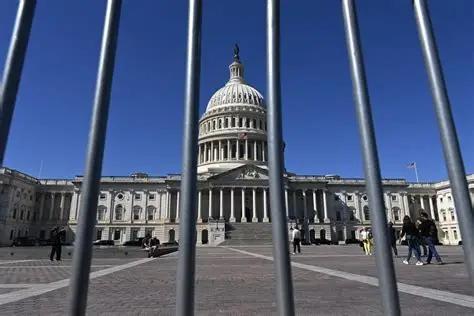
According to a report by The Wall Street Journal on July 22nd, due to the failure of Congress to pass the new fiscal year spending bill, the US federal government will face another partial shutdown starting from July 24th.
According to a report by The Wall Street Journal on July 22…
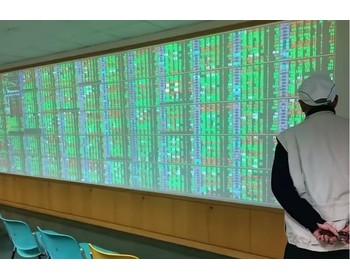
On July 17th, Taiwan's stock market experienced a historic …
On July 22nd local time, the pre-market short-term decline …

On July 22 local time, Advanced Micro Devices (AMD) officia…

According to the report by Rich Asplund, a columnist of Bar…

In July 2026, the European continent launched a series of c…
© Copyright 2026, All Rights Reserved