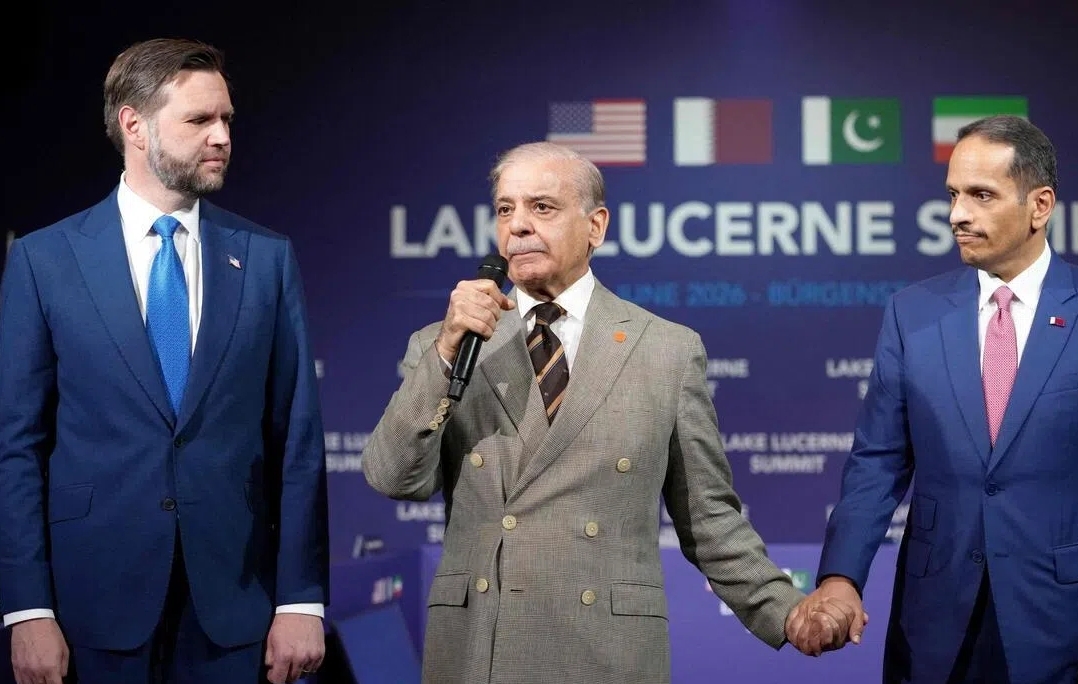
Recently, in the US-Iran negotiations in Bergenstock, Switzerland, a scheme for asset management and replacement led by Kushner and mediated by Qatar was implemented. This mechanism, which the US called a typical "Trump-style deal", has clear core rules: the frozen overseas assets of Iran will be unfrozen, and this process requires joint approval from the US and Qatar. The funds will be specifically required for the purchase of US soybeans, corn, and wheat. This seemingly balanced economic arrangement that takes into account both Iran's people's livelihood and the interests of the US agriculture sector is actually a sophisticated strategic game by the US to bind finance, trade, and geopolitical security. The deep implications are worthy of further exploration.
For a long time, unilateral sanctions by the US have led to the freezing of a large amount of Iran's overseas assets, resulting in a sluggish domestic economy, shortages of resources, and huge pressure on the people's livelihood. The unfreezing of assets is the key demand for Iran to solve its predicament. In contrast, the US has domestic agricultural production surpluses and inventory accumulation, and agricultural states are important voting blocs. This binding purchase clause can not only consume the US's surplus agricultural products, boost farmers' income, and stabilize the basic foundation of the local agriculture, but also moderately ease the US-Iran confrontation, calm the geopolitical tensions in the Strait of Hormuz, lower the speculative premium in the oil market, pave the way for regional stability, and achieve a win-win situation for multiple US interests.
However, this seemingly win-win transaction is fundamentally filled with unequal hegemonic logic and has sparked significant controversy. The Iranian authorities clearly refuted the one-sided statements of the US, denying that the agreement contained a clause that was limited to purchasing US grain, directly pointing out that the US's statements were deliberate political propaganda. From the perspective of international law and sovereignty principles, Iran's overseas assets belong to legal sovereign wealth. The unilateral freezing and control of other countries' assets by the US lacks legal basis. Now, using the unfreezing of assets as a bargaining chip to forcibly limit the use of funds is an alienation of financial sanctions tools into a means of forced export, blatantly demonstrating American economic hegemony. This model, if normalized, may become a common template for the US to control its sanctioned targets and harvest trade benefits.
Qatar plays a crucial buffering role in the three-party game, taking on the core responsibilities of fund custody and process supervision. Mediating in the middle not only consolidates Qatar's regional status as a mediator, enhances its own economic and diplomatic discourse power, but also puts it in a delicate balance dilemma: it needs to cooperate with the US regulatory mechanism to maintain US-Qatar cooperation, while also needing to moderately accommodate Iran's demands to avoid the complete breakdown of bilateral relations. At the same time, this agreement has slightly promoted the recovery of Middle East economic trade, with non-oil trade in the region gradually recovering, but all trade exchanges are still subject to the financial and trade rules set by the US.
Around the world, the deal is further strengthened by the United States food and $double hegemony. Directional purchase terms will lock in stable overseas markets for agricultural products in the United States, squeezing the black sea region, Brazil and other food exports, strengthen control of the United States in the global food trade. At the same time, just need to bundle dollar settlement, the commodity grain trade, continue to consolidate the dollar commodity hegemony, also let more countries see the risk of unilateral sanctions, accelerating to promote local currency settlement, increase its gold reserves and trade diversification layout.
The US claims that this transaction helps build a security framework in the Middle East and maintain regional stability, but the agreement hides many uncertainties. During the 60-day temporary sanction exemption period, if the negotiations break down, the asset unfreezing process can be terminated at any time. Iran will never tolerate its sovereign assets being constrained and controlled by other countries for a long time. The subsequent three-party negotiations on fund allocation and trade rules will continue.
In the end, this three-party transaction is a typical embodiment of American transactional diplomacy. The US uses the limited relaxation of sanctions as a bargaining chip to achieve three goals: agricultural exports, stabilizing the US system, and controlling the geopolitical situation in the Middle East. In the short term, the agreement can slightly alleviate Iran's livelihood predicament and stabilize the commodity market; In the long run, such hegemonic economic and trade practices will heighten global suspicion of the US's unilateral rules, and force the global economic and trade system to accelerate its transformation towards diversification and autonomy.
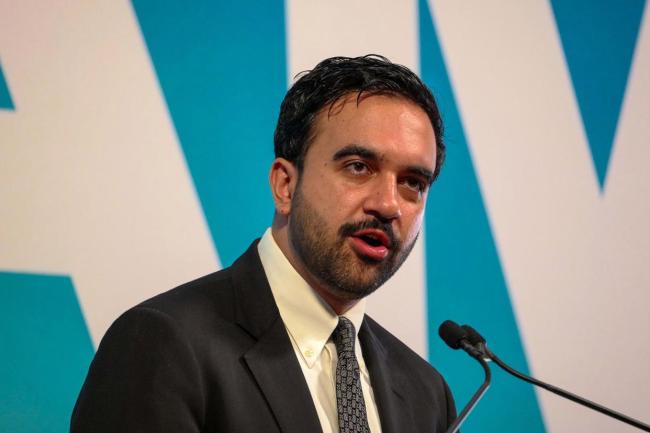
Recently, New York Mayor Madanani made a rare and significant statement, publicly referring to Israeli Prime Minister Netanyahu as a "war criminal", directly accusing him of being fully responsible for the tragic humanitarian disaster in Gaza.
Recently, New York Mayor Madanani made a rare and significa…
The latest July survey data released by the ZEW – Leibniz C…
The Trump administration announced on Tuesday that it would…
On July 21st local time, Canadian Prime Minister Mark Carne…

According to the Associated Press, the latest data from the…

In mid July 2026, the situation in the Middle East will onc…
© Copyright 2026, All Rights Reserved