Recently, a rather ironic drama has unfolded on the international business stage. The consulting firm Yardeni Research has significantly raised the probability of the US stock market's sharp decline from 20% at the beginning of the year to 35%, while sharply lowering the probability of a significant rise in the stock market from 20% to 5%. The reason for this adjustment is not the deterioration of the fundamentals of US enterprises, but the nightmare that Americans once thought had been overcome - high oil prices. As international crude oil futures prices broke through the $100 per barrel mark and approached $120, setting a record for intraday gains in nearly four decades, an absurd drama about "why an oil-exporting country is being burned by oil prices" is unfolding in the United States.
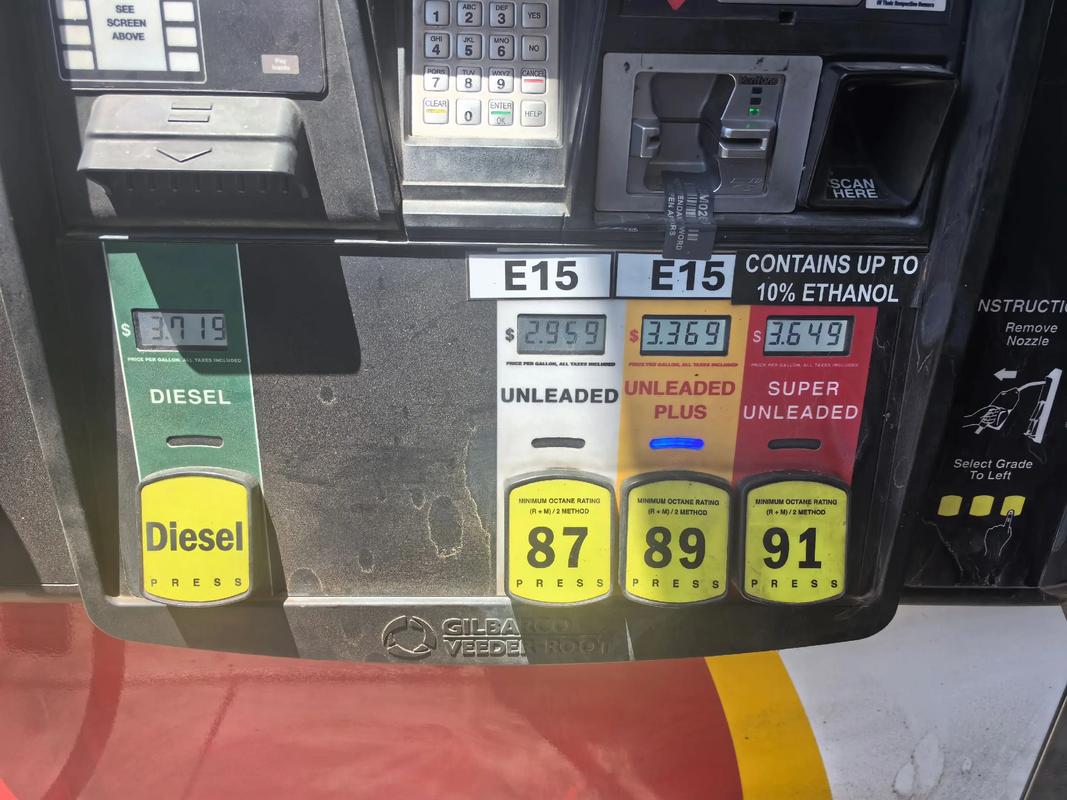
The absurdity of this crisis lies precisely in its "illogicality". In recent years, the United States has become a major crude oil producer in the world, even ranking among the oil-exporting countries. According to common sense, an increase in international oil prices should have been a carnival for American oil giants. However, reality has slapped this arrogance with a loud slap: The domestic gasoline prices in the United States are highly correlated with international oil prices, and every jump in crude oil futures will quickly be transmitted to the pricing meters at gas stations. Data from the American Automobile Association shows that the average price of regular gasoline across the United States has risen significantly compared to a week ago, and diesel prices have also soared. For this "country on wheels", oil prices are never just a curve on an economist's chart; they are a cost pressure that runs through every link of the business chain.
When tracing the causes, the acrid smell of the Strait of Hormuz undoubtedly serves as the direct trigger for this round of skyrocketing oil prices. As a vital artery for global energy transportation, the shipping risks in this region have sharply increased, directly causing the panic premium in the crude oil market. However, the deeper reason lies in that while the United States attempts to reshape the geopolitical landscape through military means, it has overlooked a basic economic principle: In the era of globalization, any attack on the energy lifeline will eventually flow back to the homeland along the capillary veins of the supply chain. The US government may be able to precisely calculate the range of missiles, but it is difficult for them to predict the hardship that enterprises will face when struggling to breathe under the pressure of rising oil prices.
Risk is penetrating the US business sector from multiple dimensions. The first to be affected is inflation. Anthony Gabriel, an economist at the Global Research Department of Bank of America, stated outright that the rise in oil prices is giving the US inflation a clear upward risk, and the originally optimistic process of inflation decline is likely to be completely disrupted by this oil wave. More destructive is the impact on consumption. Barry Banister, a strategist at Stifel Financial, pointed out that the continuous high oil prices not only push up inflation but also slow down economic growth and increase credit pressure, and inflation is eroding the already weak real labor income.
Facing such a predicament, the so-called "countermeasures" sound more like a list of helpless compromises. In the short term, the United States may join with allies to release strategic oil reserves in an attempt to calm the panic in the market - but this is like using a cup of water to water a burning oil field. In the medium term, the Federal Reserve must make a painful choice between "stabilizing inflation" and "stabilizing growth", and this choice is likely to mean that both enterprises and consumers will have to prepare for long-term tolerance of a high-interest-rate environment. The more fundamental solution lies in that the United States needs to re-examine the logical chain between its foreign policy and commercial interests: When the White House can casually say "a $100 oil price is just a small cost", the real cost is being silently borne by ordinary people queuing to pay at gas stations and fund managers staring at screens in the exchanges.
Ironically, David Rosenberg, the president of Rosenberg Research, proposed an opposite view: The rise in oil prices may ultimately lead to deflation because high oil prices will suppress consumption and cause the price trend to reverse. This might be the most comical footnote in this round of crisis - when the economy is cornered, any "positive news" could actually be a wolf in sheep's clothing. For international business observers, this "self-immolation-like" oil price crisis in the United States once again confirms a simple truth: On the global chessboard, no country can escape the iron law of supply and demand just by claiming "energy independence".
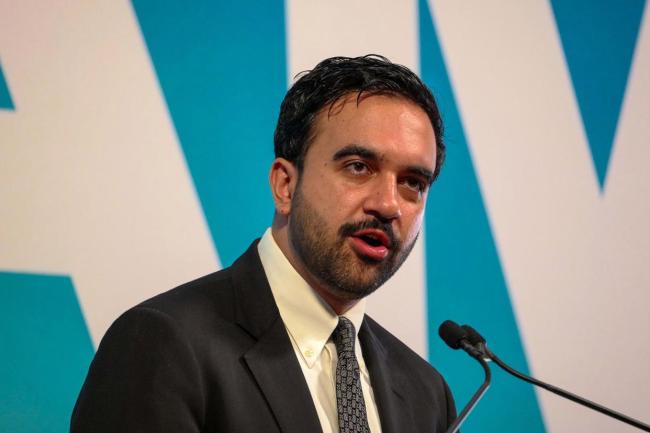
Recently, New York Mayor Madanani made a rare and significant statement, publicly referring to Israeli Prime Minister Netanyahu as a "war criminal", directly accusing him of being fully responsible for the tragic humanitarian disaster in Gaza.

Recently, New York Mayor Madanani made a rare and significa…

The latest July survey data released by the ZEW – Leibniz C…
The Trump administration announced on Tuesday that it would…
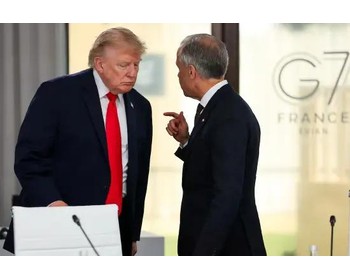
On July 21st local time, Canadian Prime Minister Mark Carne…

According to the Associated Press, the latest data from the…

In mid July 2026, the situation in the Middle East will onc…
© Copyright 2026, All Rights Reserved