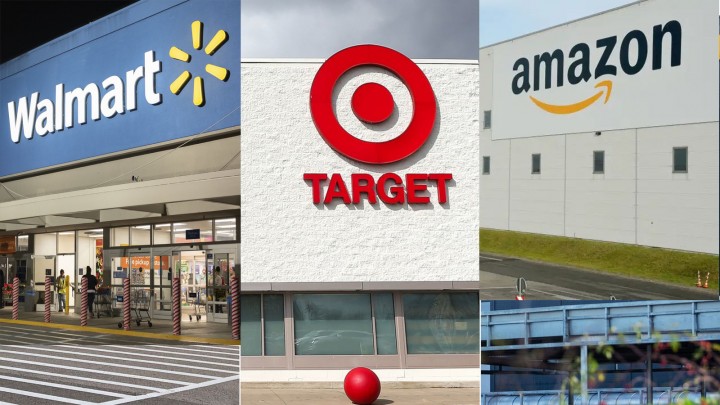
With Amazon moving its annual flagship sale, Prime Day, from its usual July slot to June 23-26 for the first time, the mid-year competition landscape in the North American retail market has been completely reshaped. Retail giants Walmart and Target quickly followed suit, launching their own competing promotions with highly overlapping dates, kicking off a full-channel price war a month early. This unprecedented face-off is essentially a battle among leading companies over existing consumer budgets and high-value members amid weak U.S. consumer demand, and it also reflects the long-term trend of increasingly blurred boundaries in North American retail competition.
Traditionally, mid-year sales in North America focused on mid-July, with Amazon Prime Day as the main event and other retailers scheduling theirs to avoid direct clashes. This year, Amazon moved its sale up, not only taking the timing advantage but also expanding into categories outside its usual strengths — for the first time including fresh groceries as a core promotion with deals like fresh ingredients for as low as $1 and 50% off personal care items, directly targeting the high-frequency necessities that traditional stores rely on. In response to this cross-industry challenge, Walmart quickly launched its 'Walmart Deals' event from June 22-28, spanning and even exceeding the full Prime Day period. Leveraging both online and offline channels, Walmart offered paid members 24-hour early access to exclusive deals, using its dense store network and mature supply chain to manage traffic. Target also rolled out 'Circle Deal Days,' perfectly overlapping Prime Day, giving paid members early access by one day while offering exclusive discounts to free members as well, using a tiered membership strategy to reach a broad audience and hold onto the core middle-class consumer base.
The three major giants collectively moved their annual promotions up to June, which isn’t just a simple shift in marketing timing, but an inevitable choice based on the current state of the U.S. consumer market. U.S. residents’ disposable income is under constant pressure, non-essential spending is clearly shrinking, consumers are becoming much more price-sensitive, and overall annual spending budgets are contracting. By kicking off big promotions early, the leading companies are trying to grab mid-year consumer budgets ahead of time in a stagnant market and avoid the performance pressures that come from weaker demand later. The bigger picture here is that North American retail has fully entered the membership competition era, and paid memberships are a key asset for companies to secure high repeat purchases and high average orders. Data shows that over 80% of Walmart’s paid members are also Amazon Prime members, with a high degree of overlap, which means the membership battle is now a zero-sum game. In this promotion, all three are prioritizing core benefits for paid members, which is essentially using short-term discounts to attract and retain members in exchange for longer-term lifetime customer value.
This earlier-than-usual price war is reshaping the North American retail competition landscape on multiple fronts. On one hand, category boundaries keep getting blurred: e-commerce giants are pushing down into essential fresh goods, while traditional supermarkets are rushing to catch up with online fulfillment, making the integration of all channels a standard rather than a competitive edge. On the other hand, the head effect will get stronger: giants, thanks to scale and supply chain advantages, can bear short-term profit drops, while smaller retailers can’t keep up with the same level of promotions, and market share will continue to concentrate at the top. At the same time, with the collective shift of promotion periods, June could very likely reshape the annual U.S. retail marketing calendar and replace July as the new mid-year shopping peak.
Overall, this retail battle kicking off in June is not just a fight for short-term traffic and sales—it’s also an inevitable outcome of North American retail entering a stagnant competition phase. The direct clash among the three giants isn’t just about how big the discounts are—it’s a showdown of supply chain efficiency, omnichannel experience, and membership system strength. The results will also become an important indicator for gauging U.S. consumer sentiment and predicting where the retail industry is headed in the second half of the year.
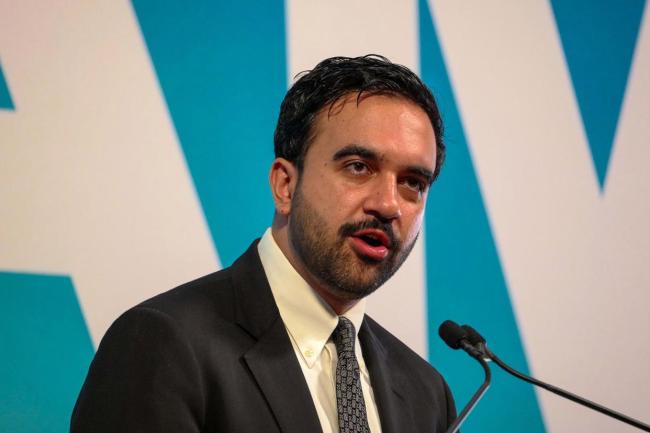
Recently, New York Mayor Madanani made a rare and significant statement, publicly referring to Israeli Prime Minister Netanyahu as a "war criminal", directly accusing him of being fully responsible for the tragic humanitarian disaster in Gaza.

Recently, New York Mayor Madanani made a rare and significa…

The latest July survey data released by the ZEW – Leibniz C…
The Trump administration announced on Tuesday that it would…

On July 21st local time, Canadian Prime Minister Mark Carne…
According to the Associated Press, the latest data from the…

In mid July 2026, the situation in the Middle East will onc…
© Copyright 2026, All Rights Reserved