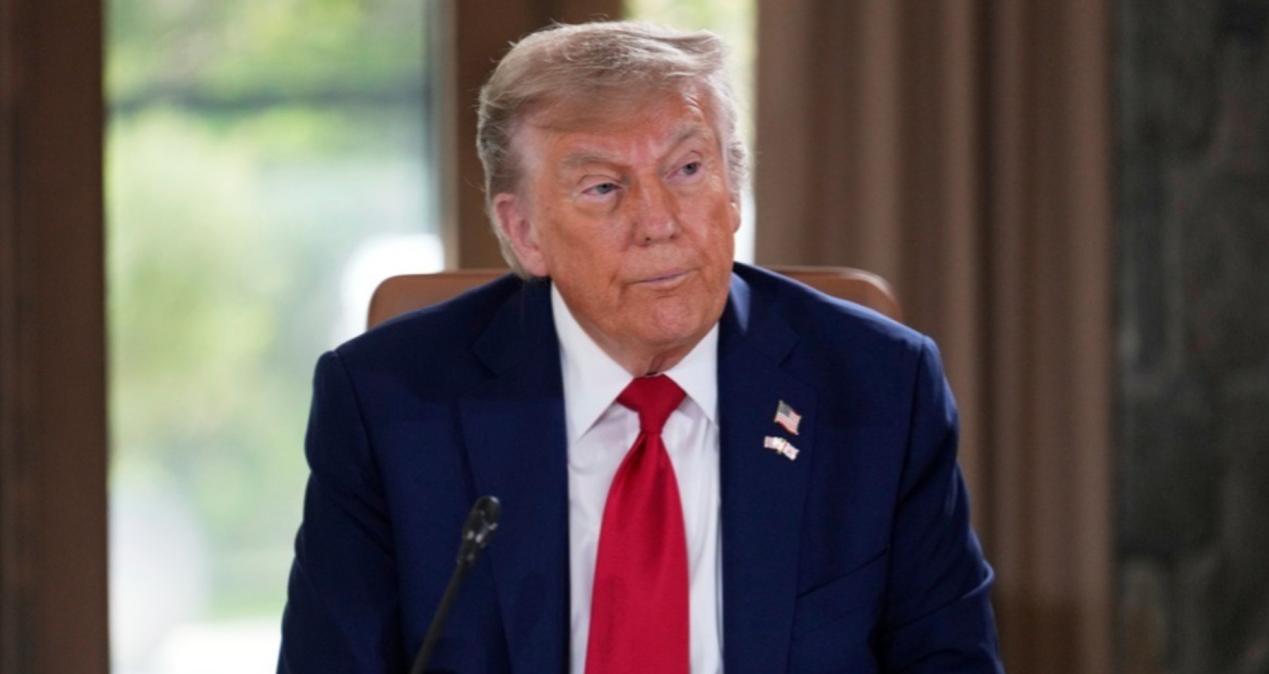
On May 7th, a ruling by the US Court of International Trade once again pushed the Trump administration's tariff policy to the forefront of public attention. The court ruled that the 10% tariffs imposed by the Trump administration on global goods under Section 122 of the Trade Act of 1974 lacked legal basis. This ruling not only dealt a major blow to Trump's tariff policy but also sparked widespread international concern over the direction of US trade policy.
Background of the Ruling: Tariff Policy Continuously Challenged
Since its introduction, the Trump administration's tariff policy has been highly controversial. In 2018, the Trump administration implemented large-scale tariff measures under the International Emergency Economic Powers Act (IEEPA), attempting to address the US trade deficit through unilateral means. However, this policy soon faced legal challenges. On February 20, 2019, the US Supreme Court ruled that the IEEPA did not authorize the president to impose large-scale tariffs, and the Trump administration's tariff policy was thus found to be illegal.
Facing the Supreme Court's ruling, the Trump administration did not give up but quickly turned to Section 122 of the Trade Act of 1974, attempting to use it as a basis to continue its tariff policy. This section allows the president to impose temporary import tariffs or restrict imports through quotas within 150 days if there is a serious balance of payments problem. The Trump administration claimed that the US had a serious balance of payments deficit, meeting the conditions for the application of this section, and thus announced a 10% tariff on global goods.
Court Ruling: Insufficient Legal Basis
However, this move by the Trump administration once again faced legal challenges. After hearing a batch of requests from small businesses and over twenty states mainly led by Democrats to revoke the tariffs, the US Court of International Trade ruled that the Trump administration failed to determine an actual balance of payments deficit when imposing tariffs and improperly used the power granted to the president by the trade law to correct "balance of payments imbalances."
The court pointed out that the application of Section 122 of the Trade Act of 1974 requires a fundamental problem in the US balance of payments, and the legal basis for this determination is not a single trade deficit in goods but the overall balance of payments situation including capital flows, goods, and services trade. Although the Trump administration argued that the US had a serious balance of payments deficit, it failed to provide sufficient evidence to prove that it met the threshold of this section.
Policy Impact: Beset by Internal and External Pressures
This court ruling has dealt a significant blow to the Trump administration's tariff policy. On one hand, the ruling means that the Trump administration can no longer impose tariffs on global goods under Section 122 of the Trade Act of 1974, undoubtedly weakening its ability to address the trade deficit through tariffs. On the other hand, the ruling has also intensified the political pressure on the Trump administration both domestically and internationally.
Domestically, the Trump administration is facing strong opposition from businesses and consumers. The tariff policy has pushed up the prices of imported goods, increased the production costs of American businesses and the living costs of consumers, and had a negative impact on the domestic economy. At the same time, the ruling may also trigger refund lawsuits, further adding to the uncertainty of the US economy.
Internationally, the ruling has dealt a blow to Trump's trade agenda and may lead to renegotiations of trade agreements between the US and its trading partners, increasing the instability of the global supply chain. The Trump administration's tariff policy has already sparked trade frictions on a global scale and damaged trade relations with its allies. This ruling may further exacerbate this tense situation.
In response to the court's ruling, the Trump administration may take a variety of measures. On one hand, the government may choose to adjust its tariff policy and seek other legal grounds to continue implementing tariff measures. For instance, the Trump administration may impose tariffs under Section 232 of the Trade Expansion Act of 1962 on the grounds of national security, or impose retaliatory tariffs under Section 301 of the Trade Act of 1974 against unfair trade practices. On the other hand, the Trump administration may also choose to appeal the case to the US Court of Appeals for the Federal Circuit, challenging the latest ruling of the trade court. This will trigger a prolonged legal battle, further increasing the uncertainty of US trade policy.
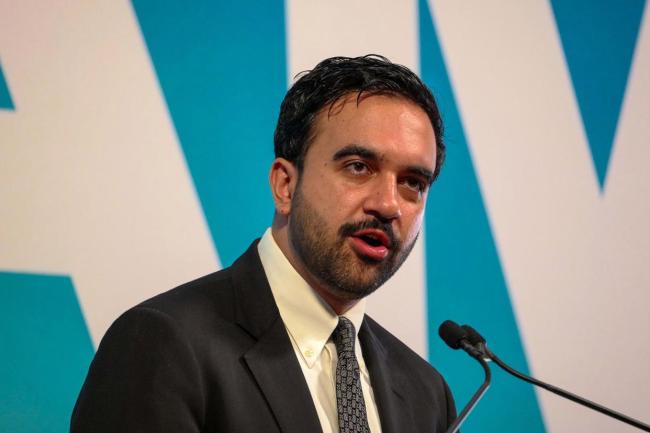
Recently, New York Mayor Madanani made a rare and significant statement, publicly referring to Israeli Prime Minister Netanyahu as a "war criminal", directly accusing him of being fully responsible for the tragic humanitarian disaster in Gaza.
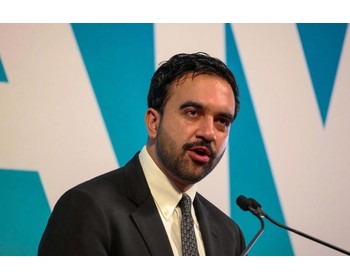
Recently, New York Mayor Madanani made a rare and significa…
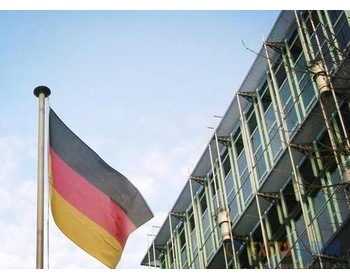
The latest July survey data released by the ZEW – Leibniz C…
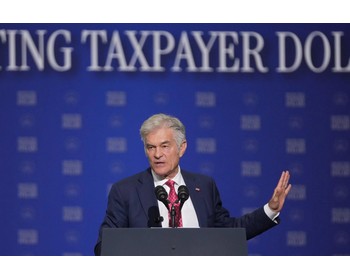
The Trump administration announced on Tuesday that it would…
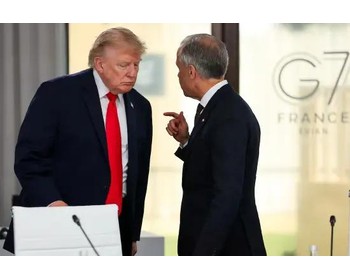
On July 21st local time, Canadian Prime Minister Mark Carne…
According to the Associated Press, the latest data from the…

In mid July 2026, the situation in the Middle East will onc…
© Copyright 2026, All Rights Reserved