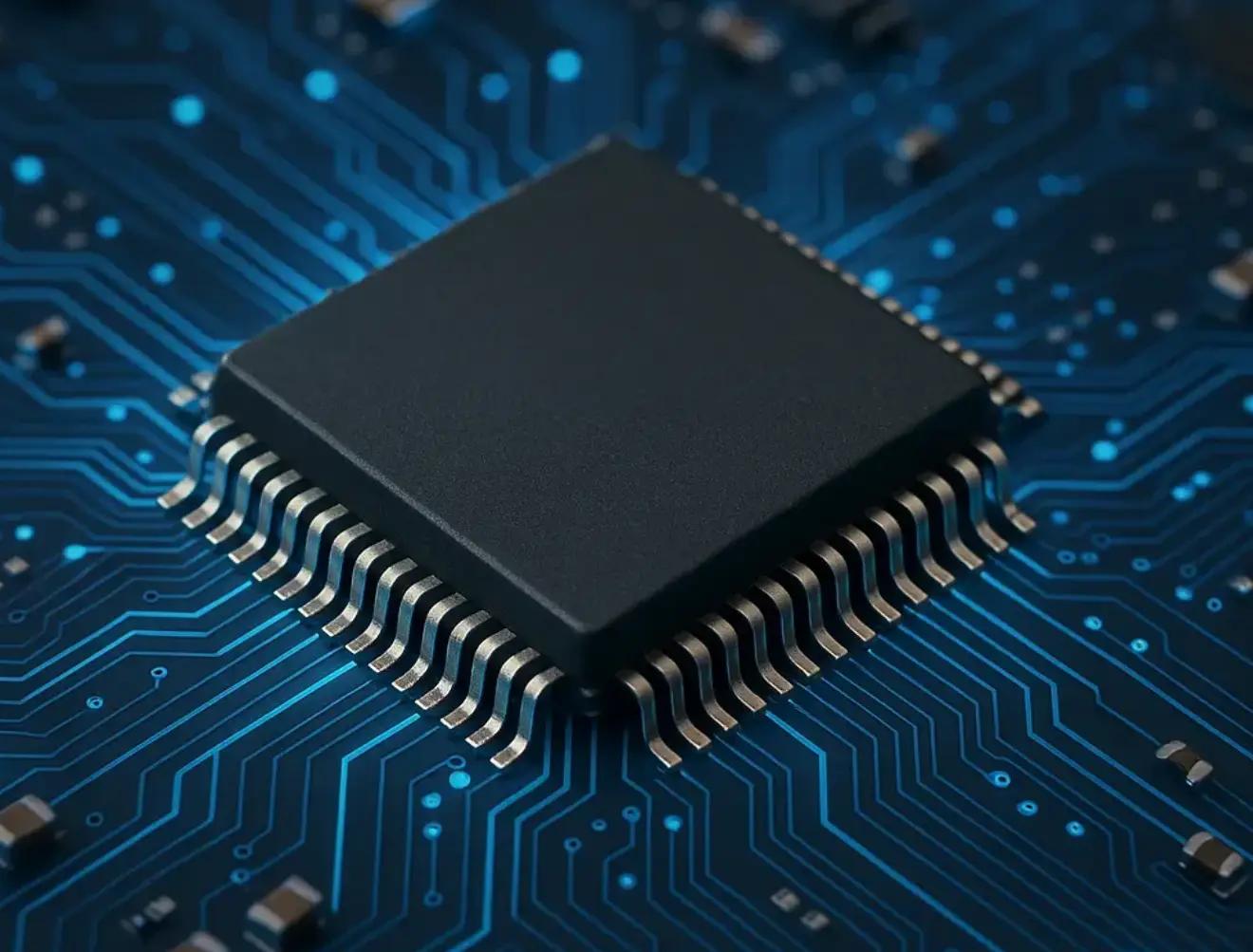
Since 2026, South Korea's chip exports have continuously set new historical records, becoming the most notable phenomenon in the global business sector. In the first quarter, South Korea's semiconductor export reached 78.5 billion US dollars, a year-on-year increase of 139%; in April, the single-month export was 31.9 billion US dollars, a year-on-year increase of 173.5%, breaking the monthly record for 13 consecutive months. Among them, DRAM exports increased by 249.1%, and NAND flash memory soared by 377.5%. With its monopoly position in the storage chip sector, South Korea has strongly reaped benefits in the global AI wave, deeply reshaping the global supply chain, pricing system, and industrial competition landscape, exerting a comprehensive and profound impact on the global business ecosystem.
Firstly, controlling industry pricing power, pushing up the operating costs of the entire value chain. Samsung and SK Hynix hold an absolute dominant share in DRAM, NAND flash memory, and AI high-bandwidth memory globally, forming a duopoly. With the increase in export volume and price, Korean enterprises have gained control of chip pricing, continuously raising product prices. The price pressure is transmitted layer by layer along the business chain, causing a significant increase in raw material costs for mobile phone, computer, and smart home appliance manufacturers; AI enterprises building data centers and technology companies developing intelligent hardware have significantly increased their investment. Downstream business enterprises either reduce their own profits or pass on the pressure of price hikes to consumers, squeezing the profit space of Korean chip giants in the entire electronic consumption and digital technology industry.
Secondly, reshaping the logic of supply chain cooperation, enterprises accelerate the dispersion of supply chain risks. The vast majority of electronic manufacturing and technology enterprises worldwide highly rely on South Korean storage chip supply. The surge in exports is accompanied by a high degree of global business supply chain concentration. Single-source reliance exposes enterprises to dual risks of supply disruption, production restrictions, and price hikes. The uncertainty in business operations has significantly increased. To ensure stable operations, multinational enterprises begin to adjust their procurement layout, reducing excessive reliance on Korean chips, and seeking diversified suppliers and setting up chip production capacity in local and other regions. The supply chain has shifted from the past pursuit of low cost and high efficiency to prioritizing safety and multi-point layout. The strategies of business procurement and production layout of enterprises have undergone a comprehensive adjustment.
Thirdly, the industry profit structure is restructured, and technology enterprises are increasingly differentiated. South Korean chip enterprises, with market monopoly, have obtained huge revenues and profits, having sufficient funds to continuously increase R&D and capacity expansion, further widening the technical gap with their peers. While small and medium-sized technology enterprises and electronic contract manufacturing enterprises lacking self-research capabilities and completely relying on procurement are constrained by rising costs and supply shortages, their revenues have declined and their development has been restricted. The industry shows a Malthusian effect, with the leading chip enterprises and high-end technology companies occupying most of the business profits, while the survival space of midstream and downstream small and medium-sized manufacturers has been compressed. The hierarchical differentiation of the business industry has become increasingly obvious.
Furthermore, leading the global capital investment trend. The extremely high prosperity of South Korea's chip industry has driven a significant influx of global business capital into the semiconductor, AI chip, and storage industry chains. Capital has withdrawn from traditional commerce and ordinary manufacturing and concentrated in research and development of chips, semiconductor materials, and equipment manufacturing. At the same time, South Korea, with the huge trade surplus brought by chip exports, attracts international capital into its financial, technology, and foreign trade sectors, changing the direction of global business capital flow and making semiconductors a core investment hotspot in the business sector.
Finally, the commercial market pattern of the terminal consumption sector has changed. Chip price hikes have been transmitted to terminal products, causing the prices of electronic products and smart devices to generally increase, suppressing consumer willingness. The sales rhythm of physical digital stores and online e-commerce has been affected. Meanwhile, due to the shortage of chips and limited production capacity, the expansion pace of the emerging commercial sectors related to high-end AI hardware and servers has slowed down. The operating rhythm and competitive situation of the entire technology consumption market have been rewritten.
Overall, the export of South Korean chips has experienced an explosive growth, deeply integrating into the global business operation rules. It has comprehensively changed the industry ecosystem in terms of cost, supply chain, profit, investment, and end markets, forcing various business entities to adjust their business strategies, accelerate independent innovation and diversification of layouts.
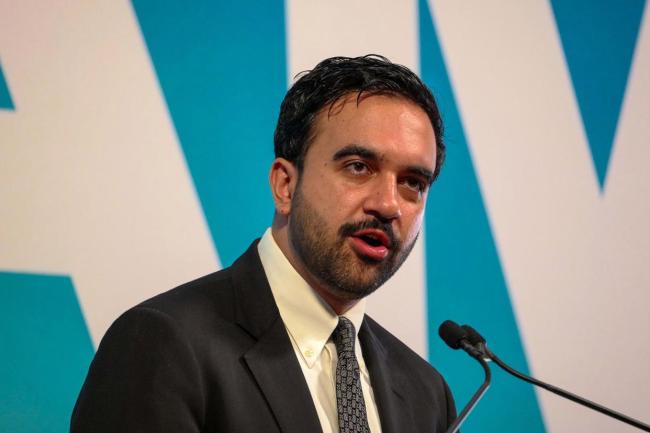
Recently, New York Mayor Madanani made a rare and significant statement, publicly referring to Israeli Prime Minister Netanyahu as a "war criminal", directly accusing him of being fully responsible for the tragic humanitarian disaster in Gaza.
Recently, New York Mayor Madanani made a rare and significa…
The latest July survey data released by the ZEW – Leibniz C…
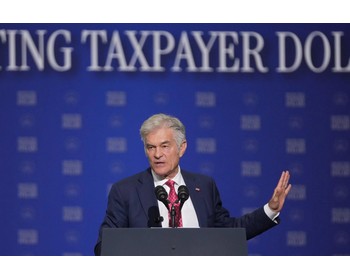
The Trump administration announced on Tuesday that it would…
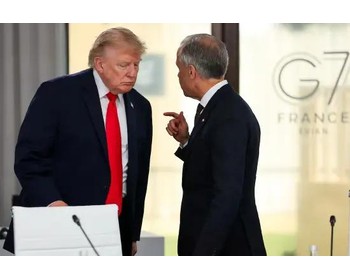
On July 21st local time, Canadian Prime Minister Mark Carne…

According to the Associated Press, the latest data from the…

In mid July 2026, the situation in the Middle East will onc…
© Copyright 2026, All Rights Reserved