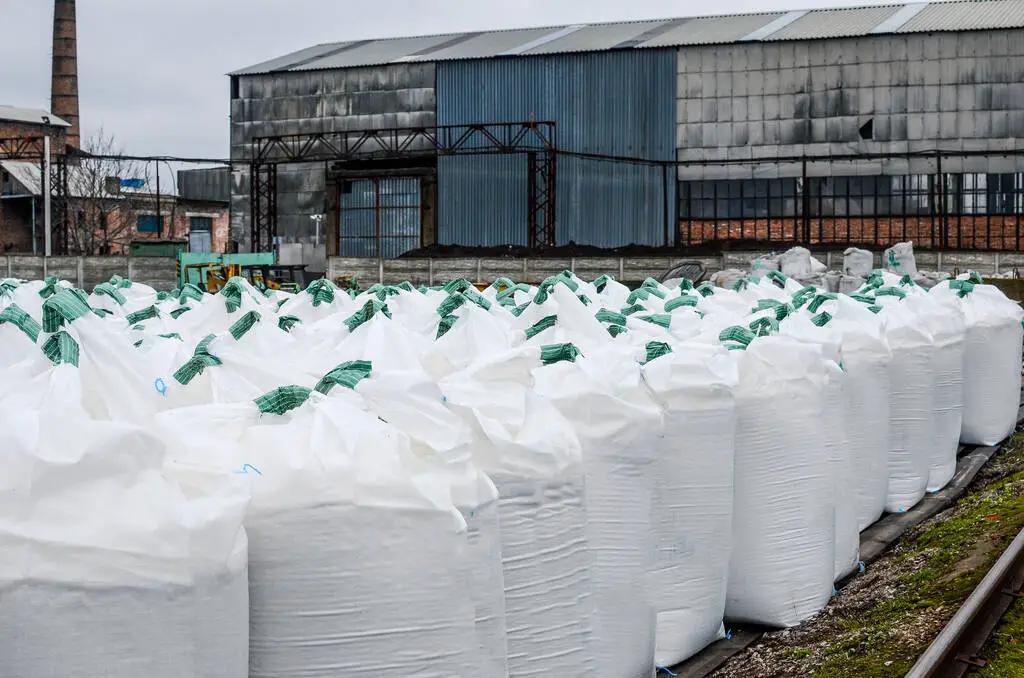
As the military operations against Iran by the United States and Israel enter their third week, the chain reaction brought about by the war continues to spread globally. Due to the disruption of shipping in the Strait of Hormuz, the prices of fertilizers in the United States have soared significantly and supplies have become scarce. This has caused great anxiety among farmers and agricultural organizations in the Midwestern United States who are about to enter the spring farming season. Recently, fertilizer prices in the United States have experienced a sudden and sharp increase. The price of urea, a core product, has risen by nearly 30% in a single week, while the price of domestic liquid ammonia has soared by 41% year-on-year. The retail price of fertilizers in some regions has exceeded $670 per ton, reaching a new high in the past five years. The United States' Farm Bureau Federation has written a letter to Trump, stating that the fertilizer crisis has "threatened national security". American experts predict that the disruption of the Strait will cause the inflation rate of "household food" to rise by approximately 2 percentage points and the overall inflation rate in the United States to increase by about 0.15 percentage points. The inflation rate will also rise by approximately 0.40 percentage points due to the increase in energy prices.
This fertilizer crisis triggered by the geopolitical conflicts in the Middle East is spreading from farmlands to the entire commercial system, becoming a black swan event that is shaking the commercial landscape of the United States and even the entire world. This seemingly focused cost crisis in the agricultural sector actually spreads through the supply chain, industrial structure adjustment, market supply and demand reconfiguration, and even global inflation trends, causing all-round and deep commercial impacts, exacerbating the already inflationary commercial environment of the United States. The first to be affected is the agricultural production sector in the United States. The runaway costs directly rewrite the commercial logic of farming. Fertilizers account for over 50% of the variable costs of grains such as corn and wheat. The skyrocketing prices have significantly squeezed the profits of farmers, and even led to the inverted phenomenon of "the cost of buying fertilizers being higher than the income from grains". To cut expenses, American farmers generally adjust their planting structures, significantly reducing the area of corn cultivation, which is high in fertilizer consumption, and turning to soybeans, which have strong nitrogen-fixing capabilities and lower fertilizer demands. It is estimated that over a million acres of corn fields in the United States will be converted to soybeans. This passive adjustment not only changes the agricultural planting pattern of the United States but also directly affects the global supply and demand relationship of corn and soybeans, triggering intense fluctuations in the commodity futures market, and agricultural traders face the dual pressures of rising procurement costs and increased risks in fulfilling orders. Small and medium-sized farmers face financial strain, and the default risk of agricultural credit also rises simultaneously.
The crisis quickly spreads to the downstream, and the food processing and retail industries face pressure from rising costs. The shortage of fertilizers has led to an increased expectation of grain production reduction, and the prices of basic grains such as corn, wheat, and soybeans have continued to rise. These are the core raw materials for industries such as feed, baking, meat products, and dairy products. The increase in feed costs directly raises the costs of livestock breeding, which then passes on to the prices of terminal meat, eggs, and processed foods. Food processing enterprises are forced to face a dilemma: either reduce profit margins or increase terminal prices, further intensifying the inflationary pressure on US food. For chain supermarkets and catering enterprises, the increase in upstream costs cannot be fully passed on to consumers, and their gross profit margins continue to narrow. The commercial profit model in the mass consumption sector is forced to be restructured.
The capital market and industrial landscape also undergo a divergence, and commercial interests are redistributed. On one hand, domestic fertilizer producers in the United States, with their low-cost natural gas advantages, have seen their production capacity released and their performance soar, with the stock prices of leading fertilizer companies rising by more than 70% this year, becoming the beneficiaries of the crisis. On the other hand, the stock prices of small agricultural enterprises, grain processing enterprises, and catering and retail enterprises are under pressure, with their performance expectations being lowered. The flow of capital in the market shows a significant divergence. At the same time, the global fertilizer trade pattern is forced to adjust, and traders have turned to other supply channels. The trade routes and cooperation models have been reconfigured, and some trading enterprises face order losses and compensation for breach of contract due to supply chain disruptions. The industry reshuffle accelerates.
In summary, this fertilizer price crisis is essentially a precise blow to the globalized commercial system caused by geopolitical conflicts, disrupting the stable transmission chain in the three major fields of energy, agriculture, and food. For the entire commercial sector, this crisis also serves as a warning.
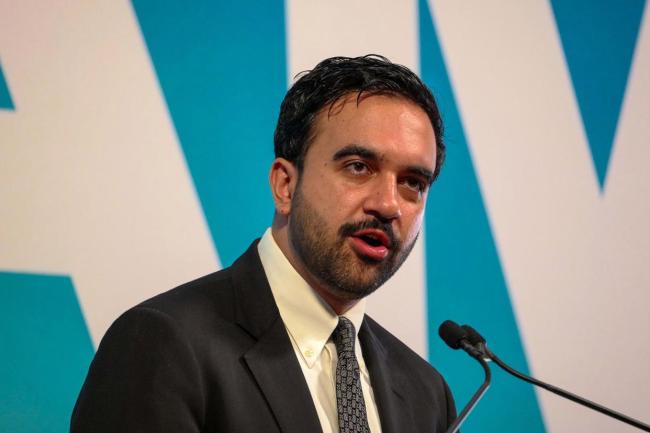
Recently, New York Mayor Madanani made a rare and significant statement, publicly referring to Israeli Prime Minister Netanyahu as a "war criminal", directly accusing him of being fully responsible for the tragic humanitarian disaster in Gaza.

Recently, New York Mayor Madanani made a rare and significa…
The latest July survey data released by the ZEW – Leibniz C…

The Trump administration announced on Tuesday that it would…
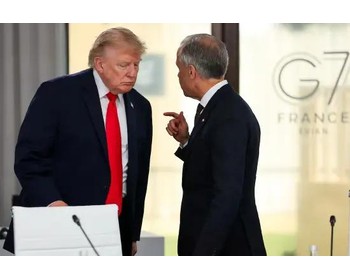
On July 21st local time, Canadian Prime Minister Mark Carne…

According to the Associated Press, the latest data from the…

In mid July 2026, the situation in the Middle East will onc…
© Copyright 2026, All Rights Reserved