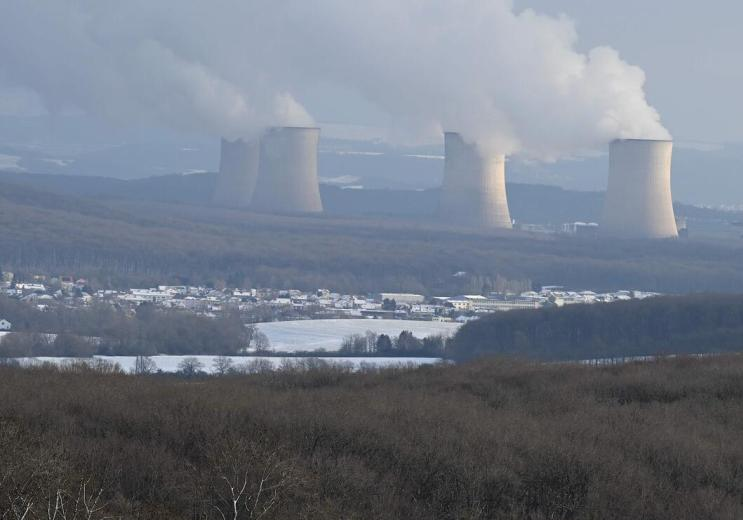
(Tokyo News) China and Russia are currently dominating the global nuclear power generation market. In the nuclear power plant projects they undertook last year, the share of the two countries reached as high as 90%.
The Nikkei Asia reported that by promoting nuclear power construction under state leadership, China and Russia are leveraging energy development and exporting electricity to emerging countries to enhance their influence.
According to data from the World Nuclear Association and the International Atomic Energy Agency, out of the nine large nuclear power plants that were under construction last year, China accounted for seven, Russia one, and South Korea one.
The report states that over the past 10 years, China and Russia have held a dominant position in the nuclear power industry. Since 2016, among the 63 nuclear power plants under construction worldwide, the nuclear power plants built by China and Russia account for over 90%. There are five nuclear power plants that were not built by China or Russia, located in South Korea and the United Kingdom.
According to statistics from the Ministry of Ecology and Environment of China, 27 nuclear reactors are currently under construction across the country. The affiliated industrial association of the government predicts that by 2030, China's nuclear power generation capacity will reach 110 gigawatts, surpassing the United States and becoming the world's largest producer of nuclear power.
In April last year, the Chinese government approved a plan to build 10 nuclear reactors in five locations. It is expected that by 2040, nuclear power will account for 10% of the energy structure, which is twice the 5% share it had in 2024.
According to Chinese media reports, currently there are approximately 60 nuclear power plants in operation in China, including those that are under maintenance. The total power generation capacity is about 64 gigawatts, which is close to that of France, the world's second-largest nuclear power producer.
Russia is focusing on expanding its nuclear power exports to emerging countries. Over the past 10 years, Russia has built 19 nuclear power plants overseas. The Russian State Atomic Energy Corporation (Rosatom) is constructing nuclear power plants in Turkey, Bangladesh and other countries. In November last year, it completed the installation of the reactor pressure vessel at the El Dabaa nuclear power plant in Egypt.
Russia is also developing small reactors. In November last year, Russian President Putin mentioned at an international conference that Russia will mass-produce small reactors and emphasized that Russia has its own nuclear power technology.
Due to the economic sanctions imposed by the international community after Russia's invasion of Ukraine, the construction process of overseas nuclear power plants has been delayed. For instance, the nuclear power plant being built in Turkey is facing financial difficulties, resulting in the postponement of its commissioning date to after the originally scheduled 2023.
As for the United States, no new commercial nuclear power plants have been built since 2013. To accelerate the development of nuclear power, US President Trump signed an executive order last May, stipulating that at least 10 large reactors should be constructed by 2030. Additionally, the US is also focusing on the research and development of small reactors.
In recent years, due to the rapid development of artificial intelligence (AI), the electricity demand in the United States has begun to increase. These data centers require uninterrupted power supply 24 hours a day, and only renewable energy sources cannot meet the demand.
From 2000 to 2010, Europe, the United States and Japan actively developed nuclear power in an effort to achieve their carbon reduction goals. This trend was then referred to as the "nuclear energy renaissance". However, the 2011 Fukushima nuclear power plant leakage accident led to a loss of confidence in nuclear safety. Nevertheless, analysts believe that with the advancement of AI, the second nuclear energy renaissance seems to be on the horizon.
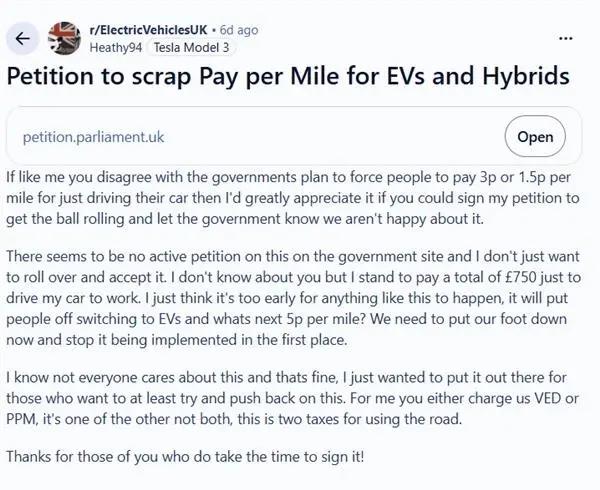
Recently, the British government has confirmed that a new vehicle consumption tax (eVED) system will be implemented on April 1, 2028, imposing a tax of approximately 17 yuan per 100 kilometers for pure electric and hydrogen-powered vehicles, while reducing the tax for plug-in hybrid models by half.
Recently, the British government has confirmed that a new v…
Under the dual pressures of war and sanctions, Iran is endu…
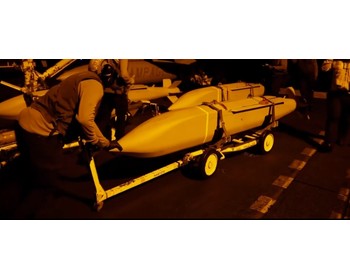
AP, Dubai — Military confrontation between the United State…

Recently, Reuters reported that Apple is accelerating its e…
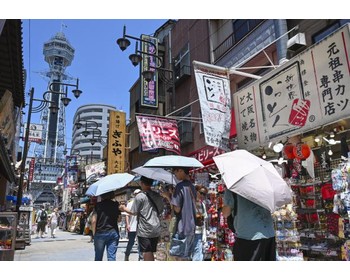
In July 2026, the entire country of Japan was hit by a disa…
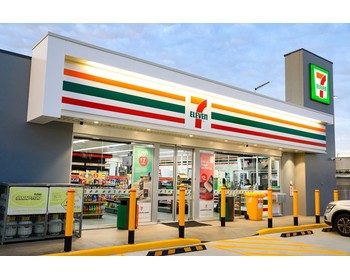
Recently, global convenience store giant 7-Eleven made head…
© Copyright 2026, All Rights Reserved