According to Reuters, the recent escalation of conflicts in the Middle East has not only pushed crude oil prices to their highest levels in months, but has also, like a stone dropped into a calm lake, stirred up waves throughout the global agricultural market. The price trends of major agricultural products, such as soybeans, wheat, and corn, have become particularly complex and volatile under this backdrop. Business decision-makers have to assess market risks and opportunities more carefully.
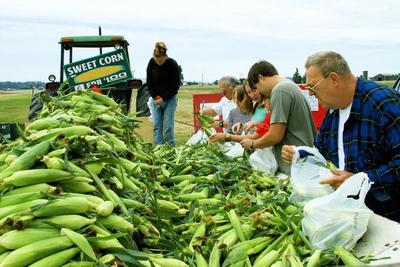
One of the direct consequences of the conflicts in the Middle East is the soaring price of crude oil. As an important energy source for the global economy, the fluctuations in crude oil prices have always had a profound impact on various commodity markets. In this conflict, the price of crude oil has risen by as much as 7%, which not only reflects the impact of geopolitical tensions on the energy market, but also indicates the arrival of a series of subsequent chain reactions. Soybean oil, as an important raw material for biofuel production, is closely linked to the price trend of crude oil. As crude oil prices rise, the price of soybean oil also increases, and the soybean futures and soybean oil futures on the Chicago Mercantile Exchange are showing an upward trend. However, this increase is not unlimited. The bumper harvest of Brazilian soybeans and the uncertainty of Chinese demand act like a double-edged sword, providing supply guarantees for the market while limiting further price increases.
The bumper harvest of Brazilian soybeans should have been a major positive for the market. As a major global producer of soybeans, changes in Brazil's output directly affect the supply and demand balance of the global soybean market. However, behind the harvest lies hidden logistics concerns. Long delays faced by truck drivers when transporting soybeans to export hubs not only affect the efficiency of Brazil's soybean exports but also intensify market concerns about supply. This concern has been further amplified in the context of soaring crude oil prices, leading to a limited increase in soybean prices.
Compared with the complex and volatile soybean market, the price trends of wheat and corn markets appear relatively stable. The price of wheat has fallen from the one-year high reached last Friday, reflecting the market's correction of previous gains. The price of corn has remained largely stable, and the limiting effect of Brazil's crop production is evident. Although the conflicts in the Middle East and the fluctuations in crude oil prices have had a widespread impact on the global agricultural market, different crops have shown different price trends due to their own supply and demand characteristics, production cycles, and international trade patterns.
From a business perspective, the fluctuations in the agricultural market this time once again highlight the uncertainty and risks of the market. The conflicts in the Middle East as external shock factors have an impact range and depth that exceed the expectations of many market participants. The soaring price of crude oil not only directly affects the prices of soybean oil and other biofuel raw materials but also has an indirect impact on other agricultural commodity markets through the cost transmission mechanism. This influence, in today's increasingly globalized world, is particularly significant.
For business decision-makers, how to make wise decisions in this complex and volatile market environment has become a major challenge. On one hand, they need to closely monitor changes in geopolitical situations and their potential impact on the energy market and agricultural market; on the other hand, they also need to deeply analyze factors such as the supply and demand situation, production cycles, and international trade patterns of various agricultural products to accurately grasp market trends. In addition, they also need to consider risks in operations such as logistics and warehousing to ensure the stability and efficiency of the supply chain.
This fluctuation in the agricultural market has also once again reminded us that business decisions cannot rely solely on short-term market trends or the analysis of a single factor. In today's increasingly globalized world, any small change can trigger a series of chain reactions and have a profound impact on the market. Therefore, business decision-makers need to possess a more comprehensive and in-depth perspective, as well as greater flexibility and acuity in adapting to changes, in order to remain invincible in the complex and ever-changing market environment.

Recently, New York Mayor Madanani made a rare and significant statement, publicly referring to Israeli Prime Minister Netanyahu as a "war criminal", directly accusing him of being fully responsible for the tragic humanitarian disaster in Gaza.

Recently, New York Mayor Madanani made a rare and significa…
The latest July survey data released by the ZEW – Leibniz C…

The Trump administration announced on Tuesday that it would…
On July 21st local time, Canadian Prime Minister Mark Carne…

According to the Associated Press, the latest data from the…

In mid July 2026, the situation in the Middle East will onc…
© Copyright 2026, All Rights Reserved