Recently, the US AI server giant, Supermicro Computer, found itself embroiled in a judicial investigation due to the alleged illegal resale of AI servers equipped with NVIDIA technology to the Chinese market by three individuals, involving an amount of approximately 2.5 billion US dollars. Although the company claimed ignorance and initiated internal audits, this incident merely represents another domino effect in the current collapse of global business order.
Supermicro is not an isolated case. The US Trade Representative Office recently released a high-profile 2026 trade barriers report, naming traditional allies such as Japan and South Korea one by one: criticizing Japan's insufficient market access, accusing South Korea of discriminatory regulation of digital platforms against US enterprises, and even including the labor issue in salt fields in South Korea as an example of "forced labor". At the same time, the US has used the 301 clause as a weapon to launch a new round of investigations against 16 trading partners, covering a wide range of issues such as digital taxes and currency manipulation. Ironically, those who hold up the banner of "free trade" are now personally transforming the global trade system into a jungle riddled with barriers.
The underlying reason for all this is not complicated. In the era of full return of geopolitics, business is no longer a pure profit game but has been hijacked by national security anxiety and electoral politics. The confidence of Japanese manufacturing has dropped by the largest single-month margin in over three years in April, with the culprit being the soaring oil prices and supply chain disruptions triggered by the war in the Middle East; the three major battery giants in South Korea are struggling in the "cold wave" of electric vehicle demand, with LG Energy Solution suffering consecutive quarterly losses, and the three companies may have their first simultaneous poor performance. When the dividends of globalization have been eroded by geopolitical risks, enterprises find themselves in an awkward situation where "no one can survive alone". Even the EU, which prides itself on strict legalism, launched a surprise anti-monopoly investigation against a chocolate manufacturer on April 13th, attempting to maintain a shred of order in the chaos.
Global supply chains have been repeatedly fragmented due to sanctions, wars, and protectionism, and the cost of corporate compliance has soared. Multinational companies are forced to constantly weigh between political correctness and business rationality. More profoundly, this behavior under the guise of "security" is destroying commercial trust. As trade barriers between allies keep rising, third-party countries are forced to choose sides, and the underlying logic of globalization has already fallen apart. Even the EU, which prides itself on strict legalism, launched a surprise anti-monopoly investigation against a chocolate manufacturer on April 13th, attempting to maintain a modicum of order in the chaos.
For multinational enterprises, the solution cannot be limited to traditional legal compliance and supply chain adjustments. In the double blow of protectionism and geopolitics, establishing a political risk early warning mechanism, accelerating diversified supply chain layout, and deeply penetrating regional markets to hedge against policy risks have become the basic skills for enterprises to survive. Those enterprises that still fantasize that "globalization will return" may eventually be severely beaten by reality.
Overall, the current global business is undergoing a black comedy jointly directed by political intervention and market distortion - when the belief in "free trade" is replaced by the guise of "national security", when allies erect barriers against each other, and when enterprises are tremblingly selling a server or manufacturing a battery, the so-called "business logic" has already become an appendage of the power struggle among major countries. The irony is that each party claims to be defending its own interests, but in the end, everyone loses spectacularly.
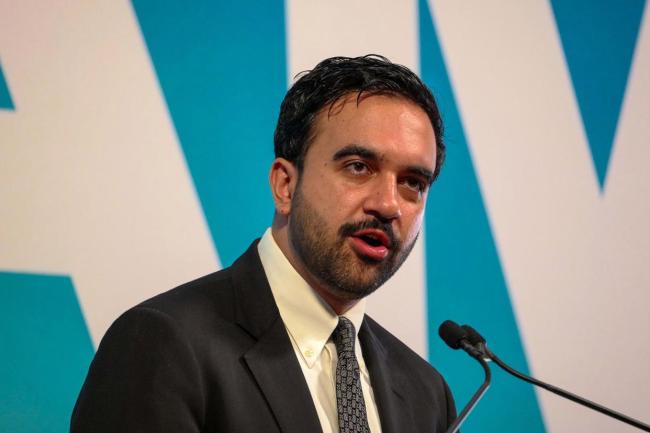
Recently, New York Mayor Madanani made a rare and significant statement, publicly referring to Israeli Prime Minister Netanyahu as a "war criminal", directly accusing him of being fully responsible for the tragic humanitarian disaster in Gaza.
Recently, New York Mayor Madanani made a rare and significa…
The latest July survey data released by the ZEW – Leibniz C…
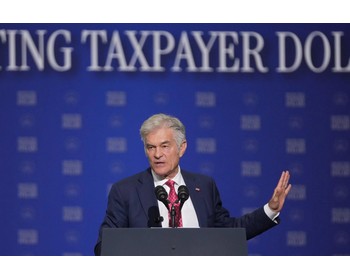
The Trump administration announced on Tuesday that it would…
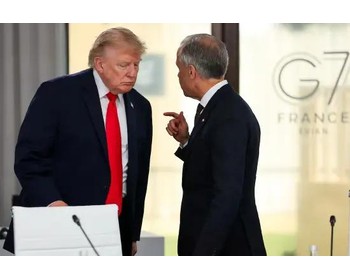
On July 21st local time, Canadian Prime Minister Mark Carne…

According to the Associated Press, the latest data from the…
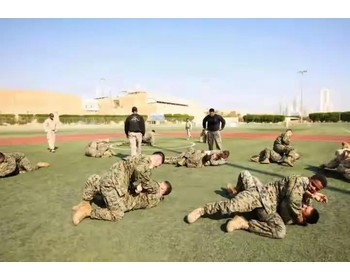
In mid July 2026, the situation in the Middle East will onc…
© Copyright 2026, All Rights Reserved