
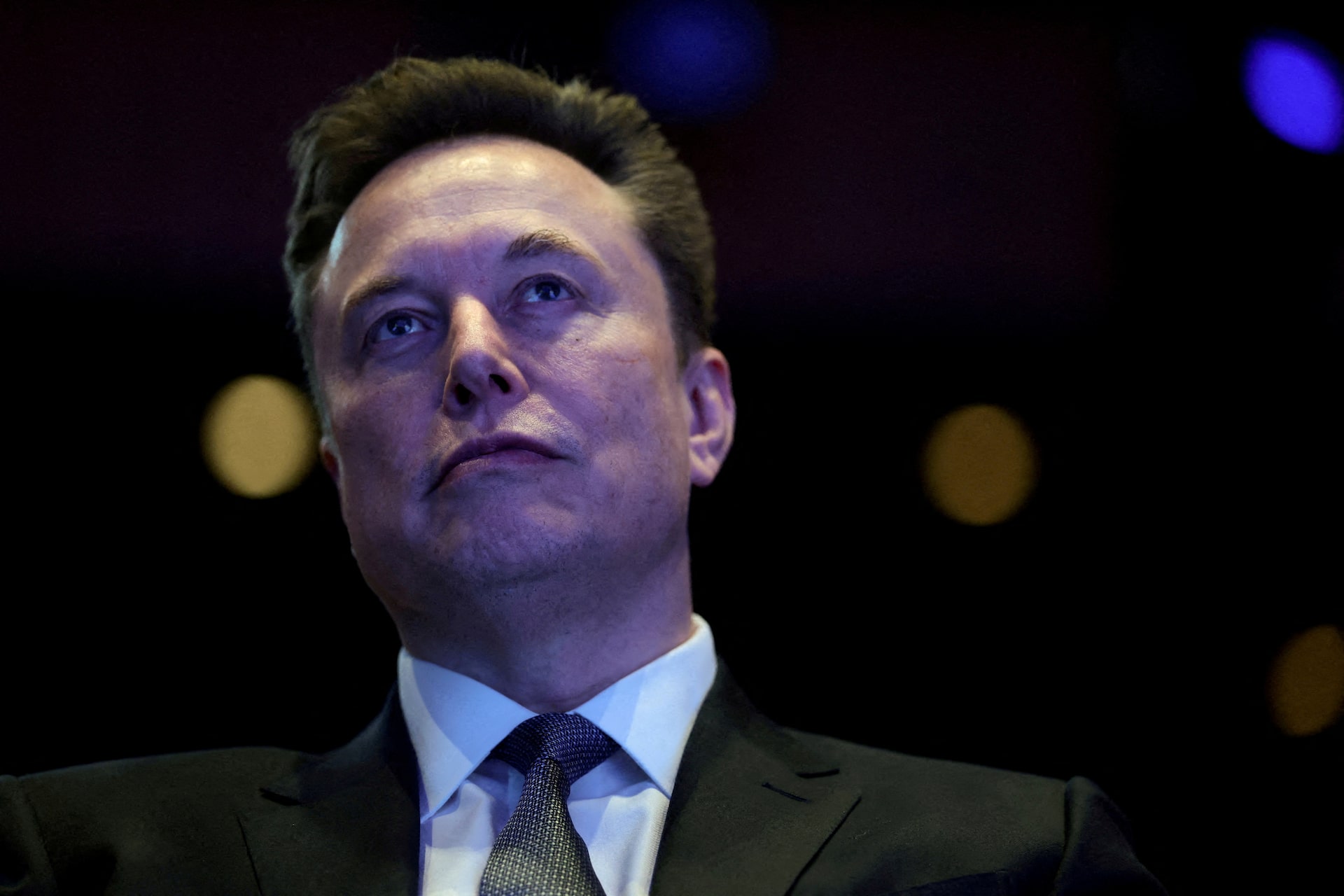
Recently, Elon Musk has sought up to $134 billion in compensation from Open AI and Microsoft. Against the backdrop of accelerated commercialization in the AI industry and the ongoing reshaping of the profit landscape, this multi-billion-dollar compensation dispute has sparked wide discussions in the industry about defining early contributions and the boundaries of business ethics. According to the latest reports, Musk is demanding up to $134 billion from the two companies, seeking the return of what he claims are 'illegitimate gains' obtained from his early support. This legal battle not only affects the interests of the three parties involved but also poses potential implications for the development of the AI industry.
Elon Musk stated that since he co-founded Open AI in 2015, the organization has gained between $65.5 billion and $109.4 billion from his various contributions, and Microsoft has also gained between $13.3 billion and $25.1 billion as a result. Musk’s chief trial lawyer, Steven Mollo, further stated in an interview, 'Without Elon Musk, there would be no Open AI. He provided most of the seed funding, lent his reputation, and taught them everything about business expansion.'
Court documents submitted by Musk further detailed his contributions, showing that he invested about $38 million in OpenAI, which accounted for 60% of the organization's early seed funding. In addition to financial support, he also took the lead in helping to recruit core staff, building a network of contacts for the founders and connecting them with key people. During the early stages of the project, he leveraged his personal influence to provide important credibility endorsements. However, the value of these implicit and explicit contributions was not reasonably reflected in subsequent commercial monetization.
The core dispute between Musk and Open AI and Microsoft is a typical conflict that arises when the AI industry reaches a certain stage of development. The intensification of the current dispute is largely influenced by the dual effects of the ambiguous definition of early contribution value and controversies over the transformation of the organization's nature. This dispute situation will further affect cooperative trust in the AI industry, causing startups, investors, and partners to be more cautious in defining responsibilities and rights, which in turn will impact the release of the industry's innovative vitality.
In the face of legal disputes arising from controversies over contribution definitions and institutional transformations, the relevant parties need to make strategic adjustments promptly to resolve the industry's trust crisis. Courts should clarify the quantitative standards for early contributions in startups and the compliance boundaries for nonprofit organizations undergoing transformation, setting precedent benchmarks for the industry through fair rulings. Meanwhile, the AI industry should promote the establishment of self-regulatory norms, providing clear agreements on funding, resource allocation, and profit distribution during the startup phase to prevent similar disputes from recurring. In addition, during collaboration, contractual designs for rights and responsibilities should be strengthened to clearly define the rights and obligations of each party, thereby reducing conflicts of interest from the outset.
For businesses and investors, it is important to actively adapt to the trend of industry rules being restructured. During early-stage collaborations, clearly define contributions and revenue-sharing mechanisms to avoid the risk of long-term disputes over interests. In commercial expansion, adhere to compliance standards, balance profit goals with the original mission, and gain market trust through transparent operations and fair distribution.
In summary, the billion-dollar dispute between Musk and OpenAI and Microsoft is the result of both unclear definitions of early contributions and the lack of institutional transition standards. It will have some impact on investment, financing, and cooperation models in the AI industry for a period of time. If a consensus cannot be reached through legal rulings and industry norms, similar disputes may continue to emerge, slowing down the pace of innovation in the industry. Therefore, it is necessary to accelerate the case trial process, clarify the judgment standards for the core disputes, and industry participants should actively engage in rule-making to promote compliant and sustainable development of the AI industry while balancing the interests of all parties.

Recently, the British government, in accordance with the "Steel Industry (Nationalization) Act" that came into effect on July 16th, took the British Steel Company, which is controlled by China Jiefang Group, into state ownership without compensation.

Recently, the British government, in accordance with the "S…

On July 23rd local time, the US Trade Representative Office…

The international crude oil market saw a sharp one-sided ri…

Recently, the geopolitical confrontation between the United…

The New York Times has recently clashed with the Trump admi…

Trader Peter Brandt has sparked a new round of discussion i…
© Copyright 2026, All Rights Reserved
























