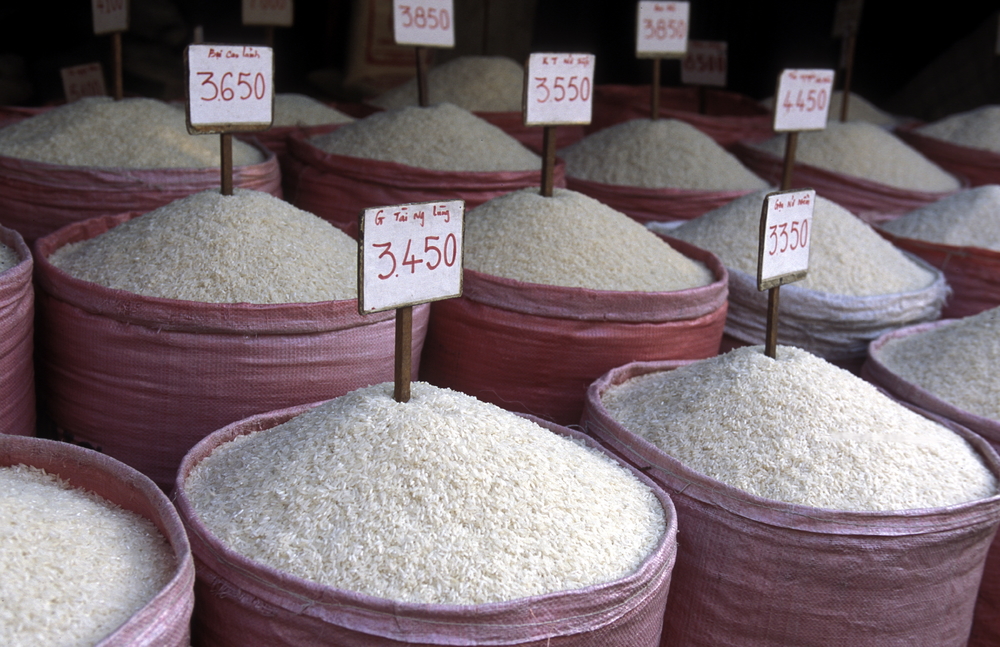
According to the Malaysian media "The Malay Mail", recently the Ministry of Agriculture and Food Security (KPKM) disclosed in the lower house of the parliament that due to the decline in the price of imported rice, the ministry is studying the domestic rice production structure, attempting to find a balance between the welfare of rice farmers and the interests of consumers. This move seemingly aims to respond to market changes, but from a business perspective, the multiple factors and potential impacts involved are worthy of further discussion.
The decline in the price of imported rice is undoubtedly an important trigger for this study. On the global trading chessboard, rice prices are influenced by many factors such as international supply and demand relations, exchange rate fluctuations, and trade policies. The decline in rice prices in the United States and other countries has directly impacted the domestic rice market in Malaysia. This external price pressure has forced KPKM to re-examine the domestic rice production structure to address possible market imbalances. However, this passive response approach reflects the lack of sufficient initiative and resilience of the domestic rice industry in facing changes in the international market.
The rice industry is a complex chain involving multiple stages, including planting, purchasing, processing, and sales. This study by the KPKM focuses on price structure adjustment, attempting to intervene in market prices through policy measures to protect rice farmers' income and consumers' interests. However, adjusting the price structure is not a simple numbers game; it requires comprehensive consideration of factors such as production costs, market supply and demand, and international price trends. Minister Datuk Seri Mohamad Sabu mentioned that the study will ensure low-income groups can obtain rice at reasonable prices, reflecting policymakers' concern for people's livelihoods. However, at the commercial level, accurately grasping the scale of "reasonable price" and avoiding market distortions caused by price intervention is a significant challenge.
The setting of the rice purchase base price is another key issue in this study. In February last year, the rice purchase base price was raised from 1,300 ringgit per ton to 1,500 ringgit, although there were some demands for further increase, the government decided to temporarily maintain this price. This decision was based on the government's comprehensive consideration of the rice and rice industry chain. The production cost structure of rice, the production cost of rice, the price of rice for consumers, and the fluctuations in international rice market prices, these factors interweave to form a complex balance system of interests. When formulating the minimum price for rice, the government must carefully weigh the interests of all parties, and any slight oversight could trigger a chain reaction. For example, if the rice base price suddenly rises sharply and there is no corresponding support mechanism, production costs will increase accordingly, eventually being passed on to consumers, increasing their burden and affecting market consumption demand, and thereby having a negative impact on the entire rice industry.
The government has provided a total of 2.62 billion ringgit in subsidies and rewards this year to support rice farmers. Each farmer can receive approximately 4,000 ringgit per hectare. This subsidy level ranks among the top in ASEAN countries. However, whether the high subsidies have truly promoted the sustainable development of the domestic rice industry is questionable. From the perspective of commercial efficiency, excessive reliance on subsidies may lead to a lack of innovation motivation and market competitiveness in the industry. Subsidies may make some rice farmers content with the status quo and lack the enthusiasm to improve production efficiency and reduce costs. In the long run, this is not conducive to industrial upgrading and transformation. Moreover, the rationality, transparency, and efficiency of the allocation and use of subsidy funds are also aspects that need to be concerned about.
In conclusion, KPKM's research on the domestic rice production structure, in the context of the decline in the price of imported rice, is a necessary measure. However, in the process of business operation, it is necessary to handle issues such as price adjustment and subsidy policies more carefully to achieve the healthy and sustainable development of the industry.

Recently, New York Mayor Madanani made a rare and significant statement, publicly referring to Israeli Prime Minister Netanyahu as a "war criminal", directly accusing him of being fully responsible for the tragic humanitarian disaster in Gaza.

Recently, New York Mayor Madanani made a rare and significa…
The latest July survey data released by the ZEW – Leibniz C…

The Trump administration announced on Tuesday that it would…

On July 21st local time, Canadian Prime Minister Mark Carne…

According to the Associated Press, the latest data from the…

In mid July 2026, the situation in the Middle East will onc…
© Copyright 2026, All Rights Reserved