Due to the escalating conflict in Iran that has disrupted shipping, causing oil tankers to be damaged or stranded, and resulting in at least two deaths, insurance companies are canceling war risk insurance for vessels in the Persian Gulf.
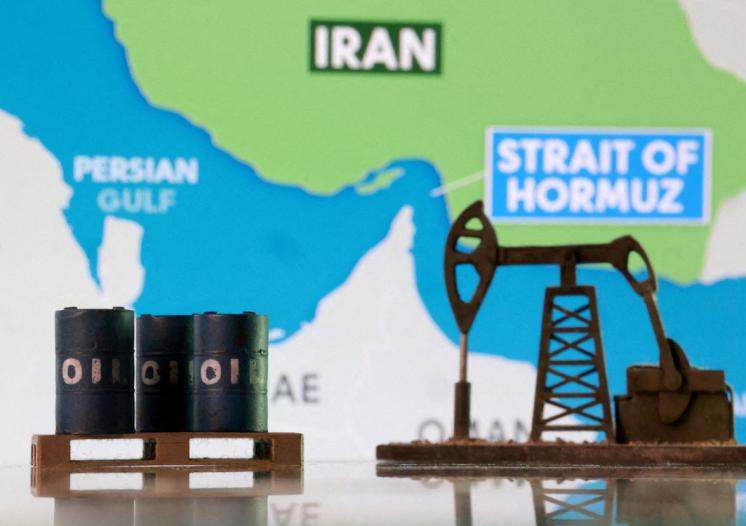
The Strait of Hormuz connects the Persian Gulf and the Gulf of Oman. It is the essential route for the export of crude oil from oil-producing countries in the Middle East, such as Saudi Arabia, Iraq, Qatar, and the United Arab Emirates. The oil transported through this strait accounts for approximately one fifth of the total global oil transportation volume.
After the United States and Israel launched attacks on Iran last Saturday (February 28th), the Iranian Revolutionary Guard announced the closure of the Strait of Hormuz.
Reuters reported that as ships in the Persian Gulf region were attacked by Iran in retaliation for the US and Israel's strikes, transportation along the aforementioned route almost came to a standstill.
As of Monday, one oil tanker in the Persian Gulf was on fire, and at least four others were damaged.
Concerns over the impact and the possibility of a long-term blockade of the Strait of Hormuz have pushed up oil and European natural gas prices. As conflicts in the Middle East led to the suspension of oil and gas production in multiple locations, Brent crude oil futures rose by as much as 13% at one point.
Shipping data shows that as of last Sunday (March 1st), at least 150 vessels, including oil tankers and liquefied natural gas carriers, have anchored and docked in the Strait of Hormuz and its surrounding waters.
Due to this incident, shipping insurance companies are cancelling war risk insurance for ships, and the freight charges for oil transportation are expected to rise further.
It is reported that several insurance companies announced on Sunday that from March 5th, war insurance coverage will be cancelled for all ships entering the Persian Gulf, specific adjacent waters or Iranian waters. These insurance companies include: Gard, Skuld, NorthStandard, Lloyd's of London's P&I Club, etc.
This also means that shipping companies that own vessels in the relevant regions will need to seek new insurance at higher rates in order to maintain their policies.
Smith, the head of the maritime business at insurance brokerage firm McGill and Partners, said: "The situation is changing rapidly. Insurers have generally raised their rates, and some have even suspended coverage for ships passing through the Strait of Hormuz."
Industry sources disclosed on Monday that the war risk insurance premium has soared from around 0.2% last week to 1% of the ship's value within the past 48 hours. This means that the cost of each shipment will increase by tens of thousands of dollars.
Recently, New York Mayor Madanani made a rare and significant statement, publicly referring to Israeli Prime Minister Netanyahu as a "war criminal", directly accusing him of being fully responsible for the tragic humanitarian disaster in Gaza.
Recently, New York Mayor Madanani made a rare and significa…

The latest July survey data released by the ZEW – Leibniz C…

The Trump administration announced on Tuesday that it would…
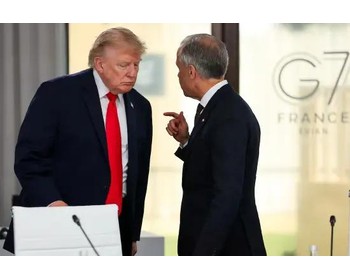
On July 21st local time, Canadian Prime Minister Mark Carne…

According to the Associated Press, the latest data from the…

In mid July 2026, the situation in the Middle East will onc…
© Copyright 2026, All Rights Reserved