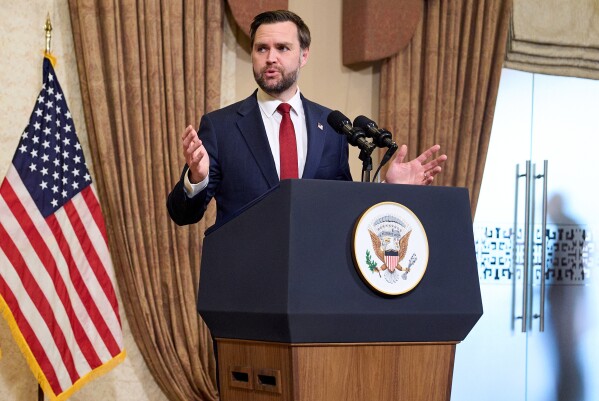
U.S. President Trump announced on Sunday plans to blockade Iranian ports starting April 13. Following the news, international crude oil prices quickly surged in early Sunday trading, with U.S. crude prices skyrocketing 8% and the international benchmark Brent crude also rising 7%. According to the latest information, the U.S. Central Command stated that the blockade will be 'fairly enforced' on vessels from all countries, covering all waterways entering and leaving Iranian ports and coastal areas, including the Persian Gulf and the Gulf of Oman. It also emphasized that navigation between non-Iranian ports can still pass through the Strait of Hormuz.
The United States' announcement to block Iranian ports this time is the result of the dual effects of geopolitical games and energy strategy games. By strengthening pressure tactics, it accelerates the negotiation process, cuts off Iran's vital maritime trade lifeline, severely hits Iran's energy exports and economic revenue, thereby forcing Iran to make greater concessions in ceasefire negotiations, especially in accepting U.S. conditions regarding the right of passage through the Strait of Hormuz. At the same time, it controls strategic energy channels to maintain U.S. hegemonic status. By blocking Iranian ports, the U.S. further strengthens its military presence and influence in the waters of the Persian Gulf and the Gulf of Oman, attempting to ensure that the dominance of global energy supply remains in the hands of Western allies and the U.S. system, preventing Iran from gaining excessive geopolitical bargaining power through control of the strait.
The U.S. decision to block Iranian ports will have profound impacts on the global energy market and geopolitical landscape. The global energy market will experience drastic fluctuations, with market concerns over Iranian oil exports intensifying instantly, causing crude oil prices to surge sharply in the short term, pushing up gasoline and diesel prices. For countries heavily dependent on energy imports, this will severely exacerbate domestic inflation, squeeze government fiscal space, and suppress consumption and economic growth. At the same time, global supply chain risks will escalate, leading to soaring global logistics costs, further burdening an already fragile global supply chain, affecting all sectors from manufacturing to retail. Furthermore, the blockade will make U.S.-Iran negotiations fall into a more difficult deadlock, and Iran may adopt more aggressive countermeasures, triggering a spiral escalation of the situation and deepening regional divisions. U.S. allies and rivals may respond differently due to differing stances, leading to a more turbulent geopolitical pattern.
In the face of the energy crisis and economic risks triggered by the port blockade, all parties should take timely measures to respond. The United States should carefully assess the pros and cons of the blockade strategy, maintain close communication with major energy allies, and avoid an uncontrolled surge in oil prices that could harm the global economy. Iran should maintain strategic restraint to prevent the situation from spiraling out of control, simultaneously safeguarding its core interests and seeking dialogue opportunities through multilateral channels to avoid a total economic collapse caused by the blockade. Relevant energy-intensive enterprises should strengthen cost control and risk hedging, use financial instruments to lock in crude oil procurement prices to stabilize profits, accelerate technological upgrades, improve energy efficiency, and develop renewable energy alternatives to build a more resilient supply chain. Consumers should rationally adjust their consumption habits, make early budget preparations to cope with high oil prices, reduce unnecessary driving, and choose more economical modes of transportation.
In summary, the U.S. announcement to block Iranian ports, on the surface, appears to be a short-term strategy aimed at forcing Iran to negotiate. However, on a deeper level, it once again exposes the high dependence of global energy security on geopolitics. If the blockade ultimately leads to a more lasting ceasefire and a more open strait, then the short-term 'pain' will be exchanged for long-term 'stability.' But if the blockade evolves into a full-scale confrontation and oil prices spiral out of control, the global economy will face greater downside risks, and the path to recovery will be even more rugged.
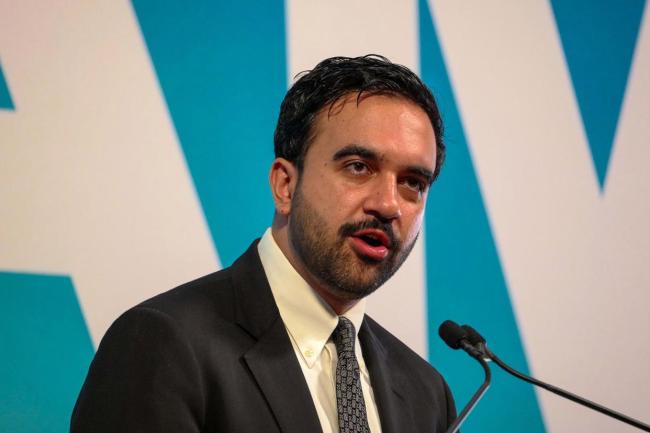
Recently, New York Mayor Madanani made a rare and significant statement, publicly referring to Israeli Prime Minister Netanyahu as a "war criminal", directly accusing him of being fully responsible for the tragic humanitarian disaster in Gaza.
Recently, New York Mayor Madanani made a rare and significa…
The latest July survey data released by the ZEW – Leibniz C…
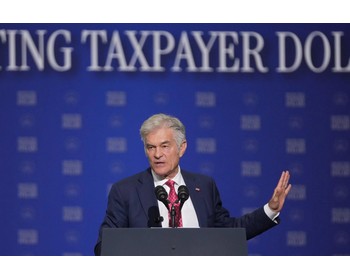
The Trump administration announced on Tuesday that it would…
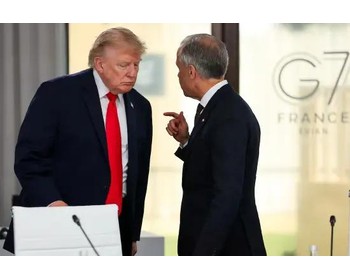
On July 21st local time, Canadian Prime Minister Mark Carne…

According to the Associated Press, the latest data from the…
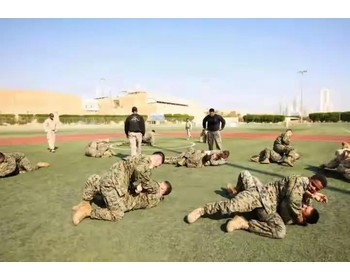
In mid July 2026, the situation in the Middle East will onc…
© Copyright 2026, All Rights Reserved