In 2026, geopolitical conflicts in the Middle East escalated, leading to a sharp surge in international crude oil prices and a steep increase in domestic inflationary pressure in the United States. To quickly stabilize oil prices and alleviate pressure on people's livelihood and elections, the U.S. Treasury Department once considered directly intervening in crude oil futures markets. Although the plan was temporarily shelved, related discussions continued to ferment. If WTI futures, which are at the core of global crude oil pricing, encounter strong intervention from sovereign authorities, it would not be a simple price regulation, but a deep disturbance to the global energy and financial systems. This would trigger a series of chain reactions, including market credit collapse, liquidity depletion, physical supply-demand mismatch, pricing power loss, and cross-market risk transmission. The impact would far exceed short-term price fluctuations and could be described as an "epic risk" in the field of energy finance.
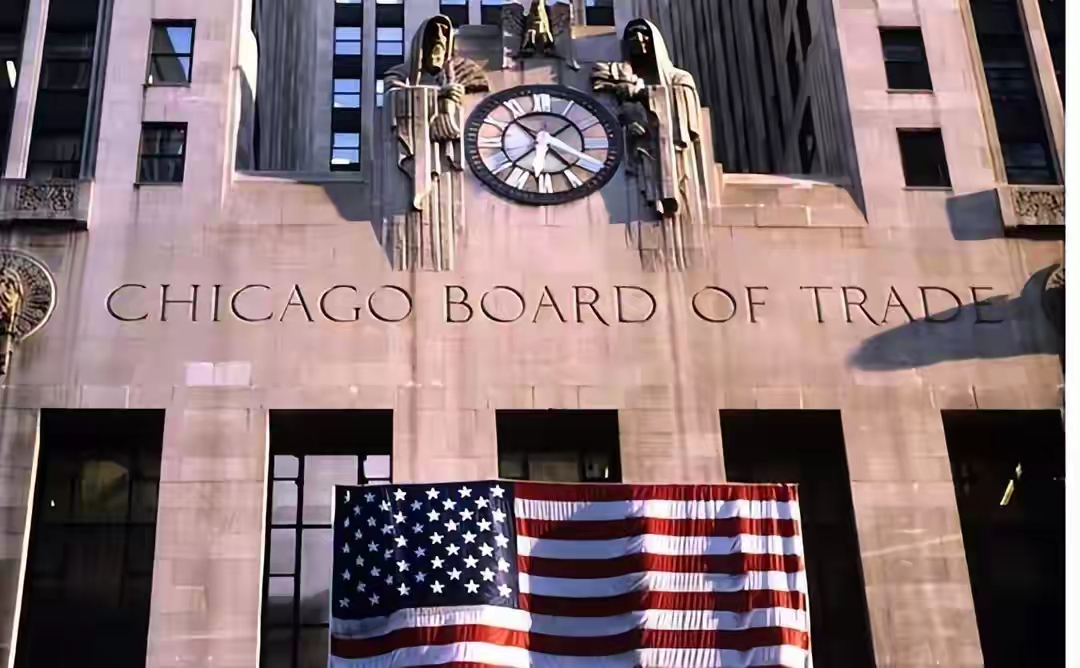
The most direct consequence of the intervention of the US Treasury Department in crude oil futures is the destruction of the credibility of pricing in the futures market and the shaking of the foundation of global energy pricing. The core reason why WTI crude oil futures on the New York Mercantile Exchange have become the global benchmark for crude oil trade lies in free competition, fair rules, and freedom from administrative control. This is the prerequisite for long-term trust between the global industrial chain and financial capital. Once the Treasury Department intervenes in the pricing mechanism with the backing of sovereign credit, it is tantamount to declaring the failure of market rules, and investors will completely lose confidence in "the market determines the price." As Terry Duffy, CEO of the Chicago Mercantile Exchange (CME), warned, government intervention in pricing will lead to disastrous consequences. Global funds will withdraw from the crude oil futures market on a large scale, market makers will stop quoting, bid-ask spreads will expand sharply, and ultimately the price discovery function will completely fail. The entire industrial chain of global crude oil trade, refining, and transportation will lose its stable price anchor and fall into pricing chaos and operational disorder.
The rapid depletion of market liquidity, which triggers margin calls and counterparty default risks, is the explicit impact of intervention actions. The stable operation of the crude oil futures market relies on sufficient liquidity and balanced game between bulls and bears. After the Ministry of Finance entered the market, speculative funds exited on a large scale due to the uncontrollable risk of "betting against national policies". Institutional investors chose to wait and hedge, and market trading volume shrank significantly. The depletion of liquidity amplifies price fluctuations, transforming a mild adjustment into extreme rises and falls, triggering a large number of forced margin calls and subsequently leading to counterparty default risks.
Addressing only the symptoms without addressing the root causes cannot resolve the contradiction between physical supply and demand, but rather exacerbates market distortions, which is the core limitation of intervention actions. The fundamental reason for this round of oil price rise is the obstruction of shipping in the Strait of Hormuz and the disruption of supply in the Middle East, which belongs to a physical supply gap rather than pure financial speculation and speculation. The Ministry of Finance's financial operation of selling near-month contracts and buying far-month contracts can only suppress futures prices in the short term, but cannot add a drop of crude oil to the market, let alone open up the blocked transportation channels.
The Ministry of Finance is embroiled in substantial losses and delivery predicaments, jeopardizing the interests of taxpayers and posing an operational risk that intervention actions cannot evade. WTI crude oil futures are physically delivered at Cushing, Oklahoma. If the Ministry of Finance establishes a large short position, it must deliver a sufficient amount of crude oil upon contract expiration, but it lacks physical crude oil reserves and only holds US dollar funds. If oil prices rise instead of falling, the Ministry of Finance will either face the embarrassment of defaulting on delivery, draw on its strategic petroleum reserve for delivery, depleting its valuable energy security reserves, or increase the margin to bear the burden, resulting in substantial fiscal losses that will ultimately be borne by all taxpayers.
The long-term and profound impact of the intervention action lies in accelerating the decline of the pricing power of US dollar crude oil and reconstructing the global energy finance landscape. The hegemony of the US dollar and the pricing power of US crude oil futures complement each other. About 80% of global crude oil trade is priced in US dollars and referenced by WTI futures, which is the core tool for the United States to control the global energy discourse. The crude intervention of the Treasury Department in the market will make countries around the world see through the essence of the US politicizing financial instruments, accelerating the process of de-dollarization in crude oil trade.
Exacerbating global inflation and stagflation risks, and constraining the policy space of the Federal Reserve, are the negative consequences of intervention on the macro economy. Oil price is a core variable of inflation. If intervention fails and leads to a rebound in oil prices, it will push up the costs of global transportation and manufacturing, causing inflation to rebound in various countries and trapping them in a stagflationary dilemma of "high oil prices + high inflation + low growth".
The intervention of the US Treasury Department in crude oil futures appears to be a temporary solution to alleviate short-term pressure on oil prices, but in reality, it is a risky move akin to drinking poison to quench thirst. It not only fails to resolve the contradiction between physical supply and demand, but also undermines market credit, triggers financial risks, harms taxpayers' interests, and accelerates the loss of its own pricing power, reshaping the global energy finance landscape.
Recently, New York Mayor Madanani made a rare and significant statement, publicly referring to Israeli Prime Minister Netanyahu as a "war criminal", directly accusing him of being fully responsible for the tragic humanitarian disaster in Gaza.

Recently, New York Mayor Madanani made a rare and significa…
The latest July survey data released by the ZEW – Leibniz C…
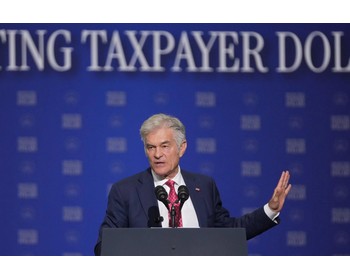
The Trump administration announced on Tuesday that it would…
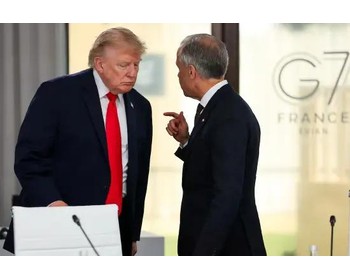
On July 21st local time, Canadian Prime Minister Mark Carne…

According to the Associated Press, the latest data from the…

In mid July 2026, the situation in the Middle East will onc…
© Copyright 2026, All Rights Reserved