Microsoft recently announced a large-scale voluntary retirement program, expected to qualify approximately 7% of its U.S. employees. This program marks the largest voluntary retirement program in Microsoft's history, with an estimated 8,750 employees benefiting. For Microsoft, this move is not only a gesture of care for its employees but also part of addressing increasing cost pressures and strategic adjustments. This article will analyze the background behind this voluntary retirement program and Microsoft's strategic direction in artificial intelligence and global expansion.
According to Microsoft's announcement, employees eligible for this voluntary retirement program are those whose combined years of service and age reach 70 or more. Specifically, this means that employees must have worked for the company for 70 years or more to be eligible to participate in the program. It is important to note that not all employees meet this criterion; employees in certain senior positions and those participating in sales incentive programs will not be eligible for the voluntary retirement program.
In a company memo, Microsoft's Chief Human Resources Officer, Amy Coleman, stated, "Through this program, we hope to allow eligible employees, with company support, to choose their own future career paths based on their personal preferences." This means that employees participating in this program can retire early with Microsoft's assistance, enjoying certain benefits without facing forced layoffs or an uncertain future.
The launch of this voluntary retirement plan is rooted in the economic pressures and strategic adjustments Microsoft is facing. In recent years, Microsoft has continuously increased its investment in artificial intelligence (AI) and cloud computing. As global demand for AI services and data centers continues to expand, Microsoft needs to invest heavily in infrastructure to maintain its competitiveness.
However, such high investment has also brought cost pressures. To cope with this pressure, Microsoft has had to cut costs in various aspects, and layoffs have become a common option. Since the beginning of 2023, Microsoft has conducted several large-scale layoffs, and the scale of these layoffs is gradually expanding. The launch of this voluntary retirement plan is, in fact, one of the measures Microsoft is taking in the process of reducing expenses and adjusting its corporate structure. By allowing some employees to retire early, Microsoft can not only reduce operating costs but also allow older employees to retire smoothly without impacting the company's development.
Layoffs are not Microsoft's only strategy. In addition to restructuring, Microsoft is actively investing in technology globally, particularly in AI and cloud computing. Microsoft recently announced an $18 billion investment in Australia for AI cloud and infrastructure projects, one of its largest investments in the country. Furthermore, Microsoft has pledged to invest $10 billion in AI in Japan over the next four years. These investments demonstrate Microsoft's confidence in future technologies and reflect its global expansion strategy.
Through large-scale layoffs, workforce optimization, and continued technology investment, Microsoft is adjusting its strategy to address the rapid development of artificial intelligence and cloud computing. While layoffs may have short-term negative impacts, in the long run, these measures may help Microsoft gain a competitive edge.
Microsoft's voluntary retirement program is part of this strategic adjustment. Through this program, Microsoft can not only reduce cost burdens but also provide eligible employees with a dignified retirement option. For the company, this is also a way to optimize its human resources structure, helping to build a leaner and more efficient team.
Looking ahead, Microsoft will continue to invest heavily in areas such as AI and cloud computing, striving to remain competitive in the global market. While expanding its technology investments, Microsoft also needs to focus on balancing innovation and cost to ensure sustainable development globally.
Microsoft's voluntary retirement program not only demonstrates care for its employees but also reflects the cost pressures the company faces in managing high investments in artificial intelligence and global expansion. This measure allows Microsoft to optimize its human resources while reducing operating costs, paving the way for future growth. Although this program may have some impact on the company's internal employee structure, in the long run, it will help Microsoft maintain its leading position in the global technology industry and lay a solid foundation for future growth.
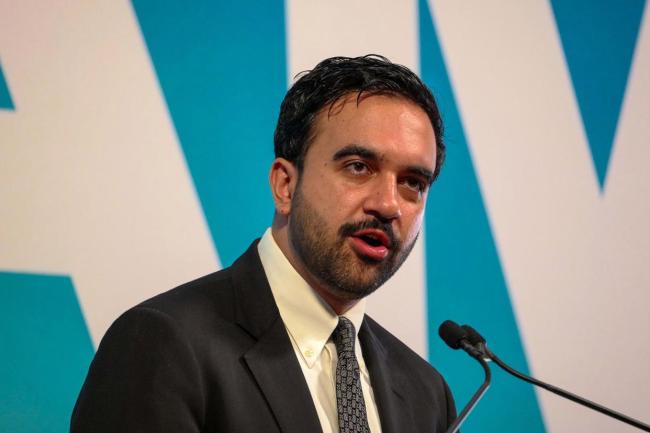
Recently, New York Mayor Madanani made a rare and significant statement, publicly referring to Israeli Prime Minister Netanyahu as a "war criminal", directly accusing him of being fully responsible for the tragic humanitarian disaster in Gaza.
Recently, New York Mayor Madanani made a rare and significa…

The latest July survey data released by the ZEW – Leibniz C…
The Trump administration announced on Tuesday that it would…

On July 21st local time, Canadian Prime Minister Mark Carne…

According to the Associated Press, the latest data from the…

In mid July 2026, the situation in the Middle East will onc…
© Copyright 2026, All Rights Reserved