On the vast stage of global trade, tariff policies are like an invisible yet powerful hand, capable of easily stirring up market turbulence and reshaping industrial landscapes. Recently, the United States has wielded its tariff big stick, striking a heavy blow at India's toy industry. This has led to a sharp decline in India's export volume, plunged its supply chain into a quagmire of risks, and left its once-glittering "dream of becoming a toy powerhouse" teetering on the brink of collapse. The profound lessons and insights behind this incident are well worth delving into.
The US decision to impose additional tariffs on Indian toys is akin to a sudden cold snap that rapidly cools the enthusiasm for Indian toy exports. For a long time, India's toy industry has regarded the US as an important export market. Leveraging its relatively low labor costs and a certain production scale, it has managed to secure a foothold in the US market. However, once the US tariff policy was implemented, India's price advantage in the US market instantly crumbled. Faced with significantly higher-priced Indian toys, American consumers have flocked to other more cost-effective alternatives. Orders for Indian toys in the US have plummeted like a cliff. The sharp decline in export volume has plunged numerous Indian toy companies into operational difficulties, with cash flow problems forcing them to scale back production. Some companies are even on the verge of bankruptcy.
India's toy industry supply chain is like a seemingly large yet fragile chain, and the impact of US tariffs has left it riddled with holes. India's toy manufacturing industry is highly dependent on imported raw materials and components, especially from countries like China. After the tariff increase, the import costs of raw materials and components have soared, imposing a heavy cost burden on Indian toy companies right at the production stage. At the same time, due to the instability of the supply chain, problems such as extended delivery times and inconsistent product quality have followed one after another. To cut costs, some companies have had to resort to using lower-quality raw materials, resulting in a decline in product quality and further tarnishing the international reputation of Indian toys. Moreover, the underdeveloped supporting industries in India are unable to provide timely and effective support to the toy industry. Once external supply chain issues arise, the entire industry is prone to paralysis.
The severe setback suffered by India's toy industry in the face of the US tariff storm has exposed numerous shortcomings within the industry itself. In terms of technological research and development, Indian toy companies generally lack innovation capabilities and core technologies. Most of their products are low-end and traditional, failing to meet the international market's demand for high-quality and intelligent toys. In terms of brand building, Indian toy brands have virtually no visibility or influence in the international market, and consumers have extremely low awareness and loyalty towards these brands. Additionally, India's toy industry has an imperfect production standard and quality supervision system, making it difficult to ensure product quality, which also limits the expansion of its products in the international market.
Faced with the severe challenges posed by US tariffs, India's toy industry must seek a way out from multiple dimensions to break the deadlock. In terms of technological innovation, the Indian government and companies should increase investment in research and development, cultivate local innovative talents, strengthen cooperation with universities and research institutions, and enhance the technological content and added value of products. In terms of brand building, emphasis should be placed on improving product quality and design levels to create brands with unique cultural connotations and international influence. At the same time, it is essential to actively explore diversified markets, reduce dependence on the US market, and strengthen trade cooperation with other countries and regions in Europe and Asia. Furthermore, the Indian government should also improve industrial policies, strengthen quality supervision, and optimize the business environment to provide strong support and guarantees for the development of the toy industry.
The US tariff "storm" has dealt a heavy blow to India's "dream of becoming a toy powerhouse," but it has also provided an opportunity for reflection and transformation for India's toy industry. Only by facing up to its own problems and actively seeking strategies to break the deadlock can India's toy industry rise again in future international competition and achieve the goal of sustainable development.

US President Trump announced that starting from August 1st, all imported generic drugs from the US will continue to enjoy a 0% tariff for two years.

US President Trump announced that starting from August 1st,…
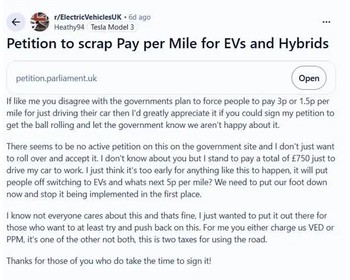
Recently, the British government has confirmed that a new v…
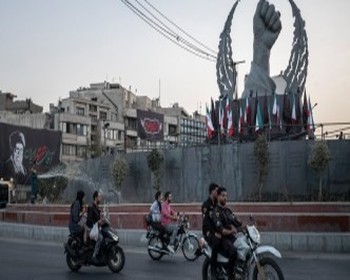
Under the dual pressures of war and sanctions, Iran is endu…
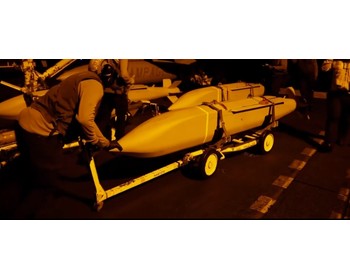
AP, Dubai — Military confrontation between the United State…

Recently, Reuters reported that Apple is accelerating its e…

In July 2026, the entire country of Japan was hit by a disa…
© Copyright 2026, All Rights Reserved