In the first quarter of 2026, the conflict between the United States and Iran escalated suddenly, causing turmoil in the Strait of Hormuz and a rise in regional security risks. This geopolitical storm quickly swept across the global luxury industry, breaking its long-term high-growth resilience and leading to a collective decline in the performances and sharp drops in stock prices of the three major giants, LVMH, Kering, and Hermès. This became one of the most watched risk events in the current international business arena.
As the core high-profit market of the luxury industry, the Middle East is known for its concentration of ultra-high-net-worth clients, strong consumption power, and average transaction prices far exceeding the global average. It has long been a key engine for brand growth. However, since the conflict intensified in March, consumption in this region instantly "froze". Data from LVMH shows that the Middle East business accounted for 6% of the group's total sales, but it pulled down the overall organic growth by approximately 1 percentage point. The sales decline in local shopping malls was as high as 50%. The retail revenue of the Kering Group in the Middle East plummeted by 11%, and the Gucci brand under it was particularly affected. Hermès' regional sales excluding the Middle East decreased by 5.9%, directly dragging down the group's overall growth rate by 1.5 percentage points. Its 5.6% fixed exchange rate growth in the first quarter was far lower than the 9.8% in the same period last year and the market expectation of 7.44%.
The impact of the conflict exceeded the local region and formed a dual blow of "local shutdown and tourism cut-off". The wealthy clients in the Middle East are the core pillar of European luxury tourism consumption. After the conflict broke out, the willingness of this group to travel and shop in Europe plummeted, resulting in a sharp decline in store traffic and weak sales in core markets such as France, Italy, and Switzerland. The sales in Hermès' local market in France decreased by 2.8%, and the sales in the European region of LVMH declined by 3%. The strong euro and the loss of tourists further amplified the pressure on performance. At the same time, the intensification of exchange rate fluctuations had a negative impact. Hermès suffered a loss of approximately 290 million euros due to the appreciation of the euro in the first quarter, with revenue declining by 1.4% calculated at the current exchange rate.
The capital market reacted particularly strongly, shattering the myth that luxury goods are "resilient to the economy". After the earnings reports were released in mid-April, the share price of Hermès plunged by 14% during trading hours, marking the largest single-day decline since its listing in 1989 and resulting in a loss of over 25 billion euros in market value. The share price of Kering Group dropped by 10%, while LVMH's fell by more than 8%. The entire European luxury goods sector suffered a collective slump, becoming the worst-performing sector in the Stoxx 600 index. The market panic stemmed from two concerns: first, the cooling of the Middle East as a high-profit market, which directly eroded the group's profit margin; The second is the risk of the conflict continuing to spread, which may further suppress global confidence in high-end consumption and exacerbate the predicament of sluggish industry growth.
From the perspective of the industry landscape, this impact showed significant differentiation. Hermès maintained positive growth due to its strong anti-cyclical attribute, but the growth rate slowed down significantly; LVMH diversified risks through a multi-brand matrix, and its overall resilience was stronger than that of Kering, which relied heavily on a single brand. The Americas and Japan markets became "safe havens", with Hermès' sales in the Americas increasing by 17.2% and Japan by 9.6%. This partially offset the declines in the Middle East and Europe. Brands overly dependent on tourism consumption in the Middle East and Europe suffered far more than the industry average, highlighting the risks of regional concentration and a single customer structure.
In the short term, if the situation in the Middle East remains tense, the Q2 performance of the luxury industry will still be under pressure, and brands may accelerate adjustments to the operation of Middle East stores, contract wholesale business, and shift to online and private domain services. In the long term, this event will prompt the industry to re-examine its global layout, accelerate "de-geographical concentration", strengthen the deepening of diverse markets in Asia-Pacific and the Americas, and optimize the customer structure, reducing reliance on a single high-risk region. In the current era of increasing uncertainty, the "golden age" of the luxury goods industry has come to an end. The future will enter a new stage characterized by regional differentiation, heightened risks, and resilience being the key factor. Only brands that have a balanced layout and operate with prudence can navigate through the cycle and maintain the bottom line of growth.
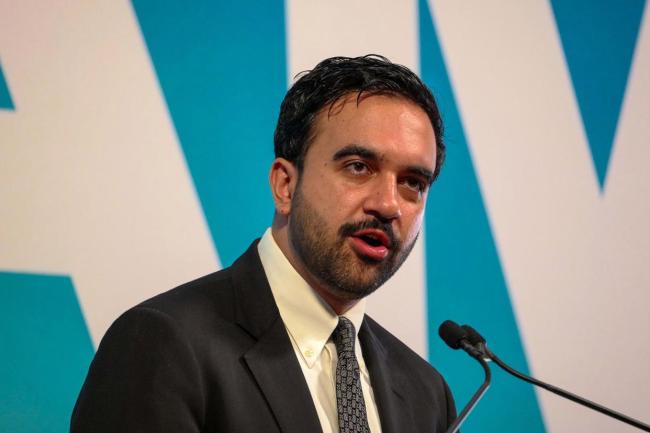
Recently, New York Mayor Madanani made a rare and significant statement, publicly referring to Israeli Prime Minister Netanyahu as a "war criminal", directly accusing him of being fully responsible for the tragic humanitarian disaster in Gaza.
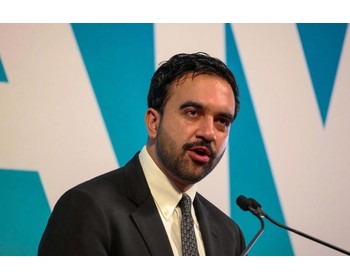
Recently, New York Mayor Madanani made a rare and significa…
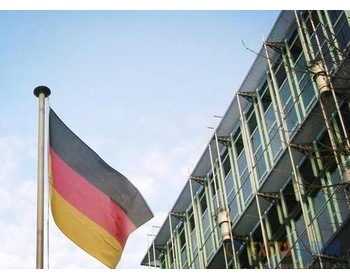
The latest July survey data released by the ZEW – Leibniz C…
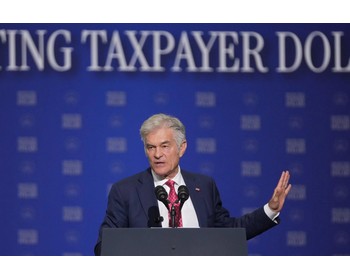
The Trump administration announced on Tuesday that it would…
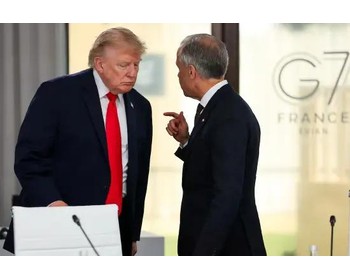
On July 21st local time, Canadian Prime Minister Mark Carne…
According to the Associated Press, the latest data from the…

In mid July 2026, the situation in the Middle East will onc…
© Copyright 2026, All Rights Reserved