When global capital is flocking to compete for GPU chips and intensifying the research and development of large-scale models, an overlooked underlying crisis is sweeping across the markets in Europe and the United States. The leading American nuclear power company has publicly warned that the uncontrolled expansion of AI data centers is continuously widening the power gap in the entire United States. By 2027, many areas in the United States may experience regular power restrictions, and industrial electricity prices will enter a long-term upward trend. In Europe, the extreme heat and computing power electricity consumption are jointly squeezing the outdated power grids, directly raising the industrial costs of the entire value chain. This AI power shortage is no longer a short-term fluctuation in electricity usage; it is a structural commercial contradiction that reshapes the global digital industry landscape and rewrites the cost logic of enterprises.
The electricity consumption intensity of AI computing power has completely overturned the traditional industrial energy consumption perception. The power consumption of ordinary internet servers is only several thousand watts, while the full-load power consumption of an AI cabinet equipped with multiple high-end GPUs exceeds 80 kilowatts. The additional power consumption of the accompanying liquid cooling and power supply equipment amounts to 30% of the total power. The power consumption for training a general large model is equivalent to the annual electricity consumption of a small county, and the power consumption of a medium-sized AI computing center in one hour can cover the daily electricity needs of tens of thousands of households. Data from the International Energy Agency shows that global AI server electricity consumption will increase by 84% year-on-year in 2026, and the total power consumption of global data centers will exceed Japan's total electricity consumption in 2030, with AI computing power accounting for over 60%. The growth rate of electricity demand is four times that of traditional industries, but the expansion of power grids and the construction of power stations take an average of four to seven years, resulting in a severe mismatch between supply and demand and a difficult-to-shorten gap in electricity supply.
The electricity risk in the US market has entered the realization cycle. The PJM power grid covering 13 states in the United States experienced a 6.6 GW capacity gap in the 2027 power auction, with the price of power capacity rising by 177% year-on-year. Applications for grid connection of data center clusters in the northeastern and midwestern regions have been largely suspended, and over 10 billion US dollars of computing power projects have been forced to be postponed or halted due to power shortages. The electricity shortage directly translates into business operating pressure: cloud providers continue to raise the subscription prices for AI computing power, the waiting period for reserved GPU resources is prolonged, and small and medium-sized technology companies are forced to cut the budget for large model research and development; if the power restrictions in 2027 arrive as scheduled, data center shutdowns will cause model training interruptions and the suspension of online business operations of enterprises that rely heavily on cloud AI. A more profound competitive differentiation is emerging, and the technology giants that can lock in stable and low-cost power resources will have a cost advantage over their smaller counterparts, and the Mosaic effect of the AI computing power sector will further intensify.
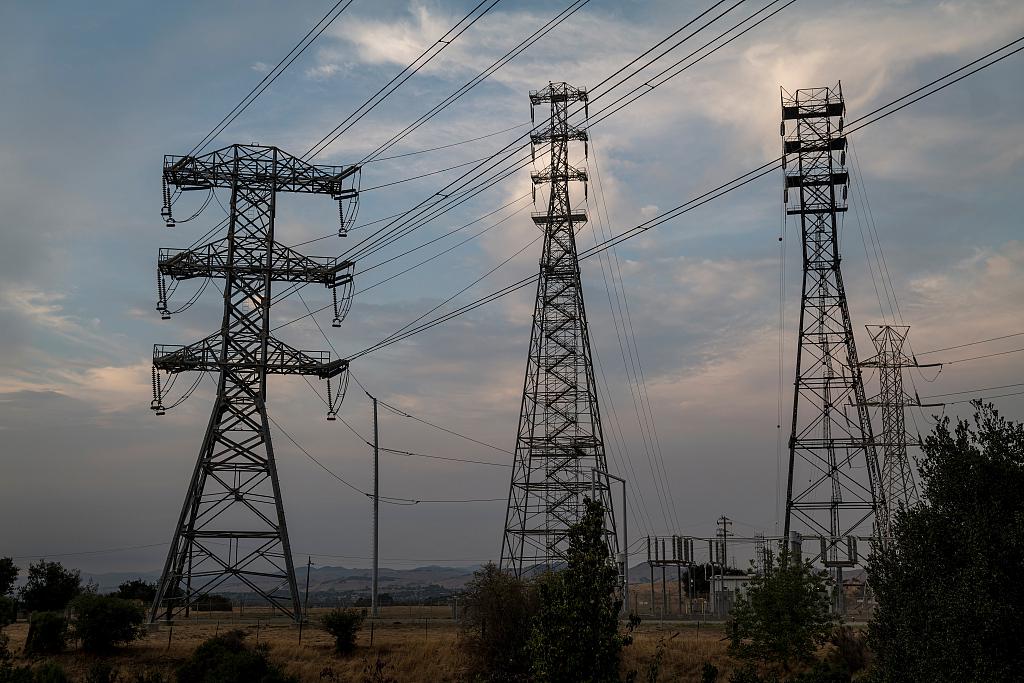
The European predicament is compounded by climate and energy deficiencies, and the industrial pressure is more significant. The average service life of the European power grid exceeds 50 years, and the infrastructure is severely outdated. In regions with concentrated computing power such as Ireland and Germany, data center electricity consumption already accounts for more than 20% of the local electricity supply. The extreme heat in summer increases residential cooling electricity consumption, and it forms a peak conflict with the 24-hour rigid load of AI data centers. The power grid scheduling is under continuous pressure. At the same time, Europe's energy supply is long-term dependent on imports, and the price of natural gas remains at twice the level before the conflict, and the cost of power production remains high. Under the double pressure, the expansion plans of European AI enterprises have been significantly scaled back, and multinational technology companies will transfer new computing power projects to regions with lower electricity prices and more stable power supply. The strategic goal of the EU to build digital sovereignty and the local AI industry chain is encountering energy constraints. The rising electricity costs for manufacturing, finance, and retail industries will further weaken the global competitiveness of European industrial products.
The end of computing power is electricity, and the competition in the AI industry ultimately hinges on the energy supply capacity. This AI power crisis sweeping across Europe and the United States has sounded the alarm for the global market: The rapid expansion of digital technology must be matched with a stable and low-cost energy base. For enterprises, electricity is no longer a secondary operational cost but a strategic resource that determines long-term competitiveness. For the development of industries in various countries, it is necessary to improve energy infrastructure and establish a coordinated system for energy and computing, so as to maintain the initiative in the global artificial intelligence competition.
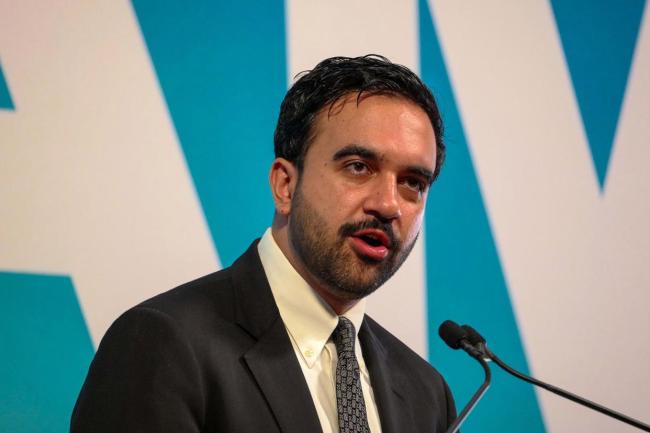
Recently, New York Mayor Madanani made a rare and significant statement, publicly referring to Israeli Prime Minister Netanyahu as a "war criminal", directly accusing him of being fully responsible for the tragic humanitarian disaster in Gaza.
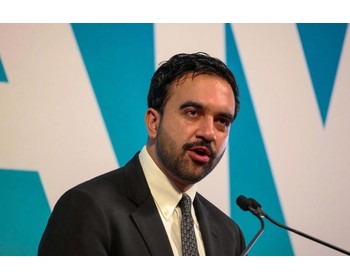
Recently, New York Mayor Madanani made a rare and significa…
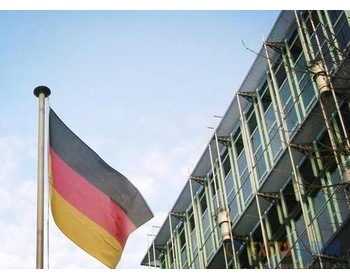
The latest July survey data released by the ZEW – Leibniz C…
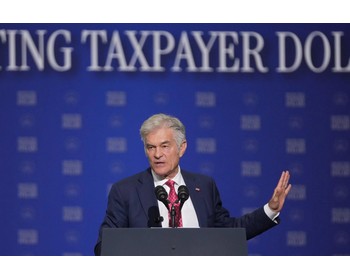
The Trump administration announced on Tuesday that it would…
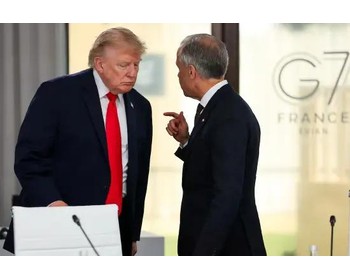
On July 21st local time, Canadian Prime Minister Mark Carne…

According to the Associated Press, the latest data from the…

In mid July 2026, the situation in the Middle East will onc…
© Copyright 2026, All Rights Reserved