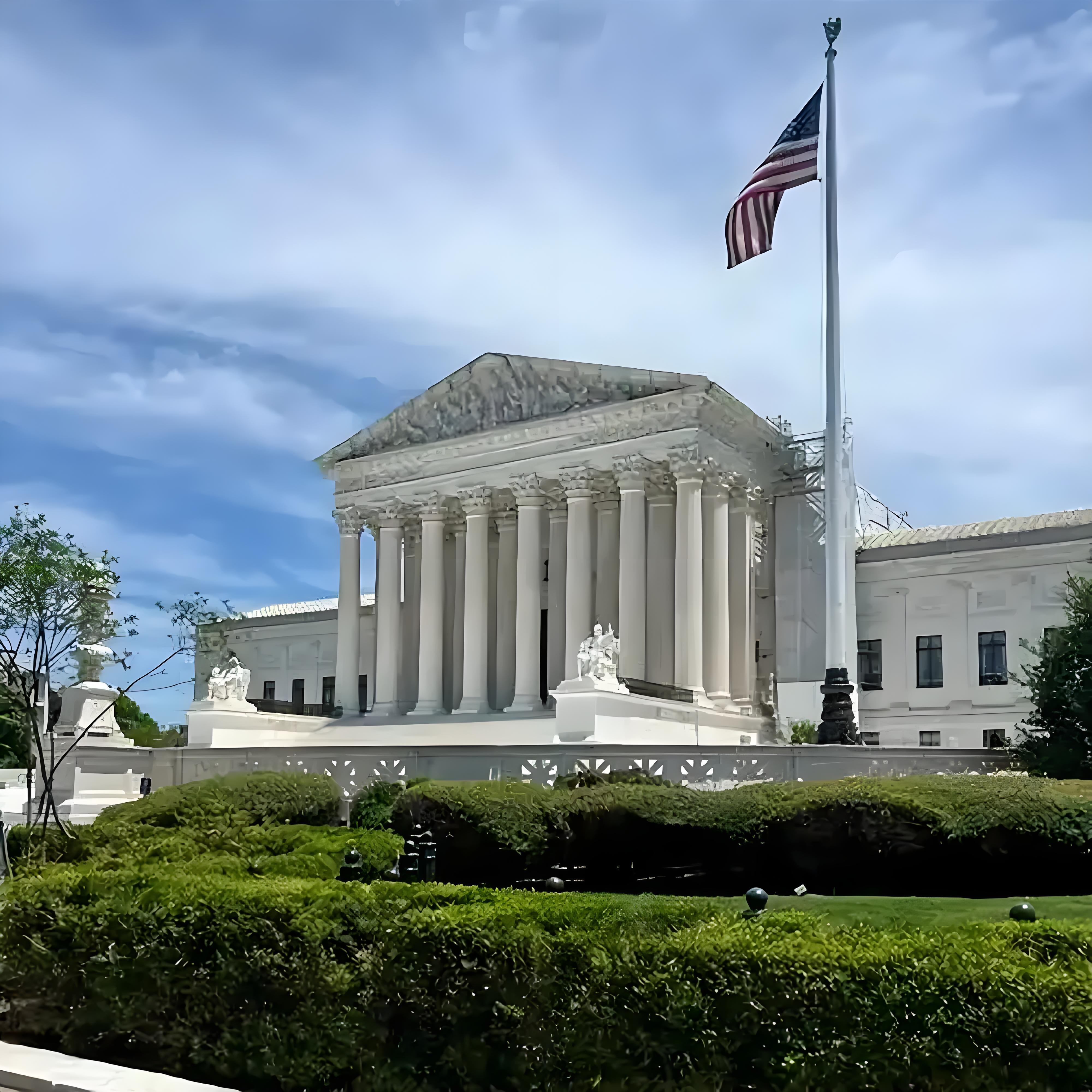
On April 14th local time, the US Customs and Border Protection Agency stated that it has basically completed the first phase of the development of the new reporting system for large-scale refunds to importers. The related tariff refund work will be launched on the 20th. A total of 166 billion US dollars in illegal tariffs will be returned to over 330,000 importers, involving 53 million customs records. The US International Trade Court judge made a ruling on March 4th, requiring the Customs and Border Protection Agency not to levy tariffs based on the International Emergency Economic Powers Act during the tariff settlement. This means that the tariffs previously levied under this law need to be refunded. This flood of funds driven by judicial rulings has triggered a profound transformation in the business field, forming a new situation of dividend reshuffling and coexisting risks and rewards.
Firstly, leading retail and technology giants have become the most direct winners. Walmart is expected to receive over 12 billion US dollars in refunds, and Apple is expected to obtain more than 8 billion US dollars. This fund will directly be converted into profit increments, providing sufficient ammunition for their research and development investments and market expansion. As of April 9th, 56,000 registered enterprises involved a total amount of 127 billion US dollars, accounting for 76.5% of the total refund amount. Leading enterprises, with their well-established registration systems and financial strength, have taken the lead in seizing the dividends. Small and medium-sized enterprises face dual difficulties. On one hand, nearly 93% of small and medium-sized enterprises failed to complete the electronic refund registration due to high account maintenance costs and tight capital chains, and could only watch the dividends flow away. On the other hand, some small and medium-sized enterprises were forced to transfer the refund rights at a 2-7.5 discount or use the refund claims as collateral to apply for high-interest loans, falling into a passive situation of "waiting for money to save lives". However, the newly launched CAPE system by CBP is gradually being optimized, and in the future, it may lower the participation threshold for small and medium-sized enterprises, injecting liquidity into them.
Secondly, the refund funds will be prioritized to areas severely affected by high tariffs. Electronic products account for the highest proportion of import refunds, and home appliances, photovoltaic, furniture, automotive parts, clothing, etc., the main export categories, have also benefited comprehensively. For example, companies such as Longi and Jinko can directly apply for refunds in their US subsidiaries, while US importers' procurement costs will decrease, expanding orders for Chinese photovoltaic components and promoting industry capacity recovery. For US domestic enterprises, the refunds directly reduce import costs and alleviate terminal inflation pressure. Previously, the high tariffs have pushed up US commodity prices, with an average increase of over 1000 US dollars per household. After the refund is implemented, some enterprises will lower product prices, activating consumer demand, forming a "cost reduction - consumption recovery - enterprise profit" virtuous cycle.
Furthermore, this refund is a powerful response to unilateral trade policies. The US Supreme Court ruled that the president has no authority to levy large-scale tariffs based on IEEPA, clarifying the legal boundaries of trade policies, and injecting confidence into global multilateral trade cooperation. The trade relations between China and the US, and between the US and Europe, which have been suppressed by tariffs, have gradually eased, reducing the risk of retaliatory measures, and promoting global trade to return to the normal track. The 166 billion US dollars in refunds account for about 2% of the US annual fiscal revenue and will increase the fiscal deficit to over 1.96 trillion US dollars in the fiscal year 2026, plus interest expenses, the total cost may exceed 180 billion US dollars. The US federal government may reduce budgets in infrastructure, social welfare, and other areas, affecting the pace of domestic economic recovery. At the same time, the Trump administration is appealing to delay the refund and impose a 15% global temporary tariff (valid until July 24th), with policy reversals bringing uncertainty to enterprises.
In conclusion, the 166 billion US dollars in tariff refunds is a "deep restructuring" of the business ecosystem. For global trade, it is a node of rule return and pattern reshaping. Only by accurately seizing the golden opportunity of dividends and actively adjusting strategies can enterprises seize the initiative in this transformation and achieve sustainable development. At the same time, they need to be vigilant against policy reversals and fiscal risks, maintain strategic determination, and build a long-term and stable development model.
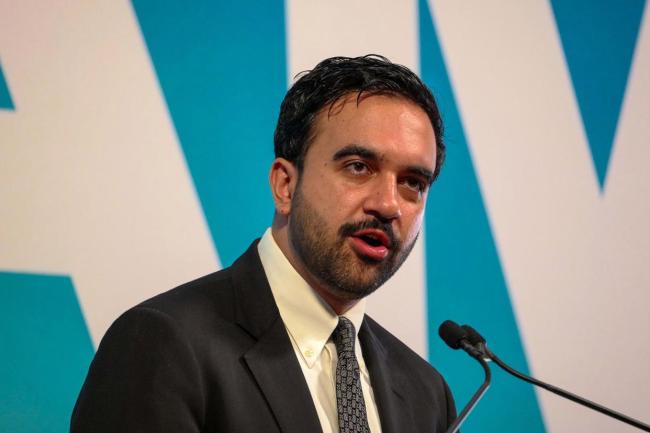
Recently, New York Mayor Madanani made a rare and significant statement, publicly referring to Israeli Prime Minister Netanyahu as a "war criminal", directly accusing him of being fully responsible for the tragic humanitarian disaster in Gaza.
Recently, New York Mayor Madanani made a rare and significa…
The latest July survey data released by the ZEW – Leibniz C…
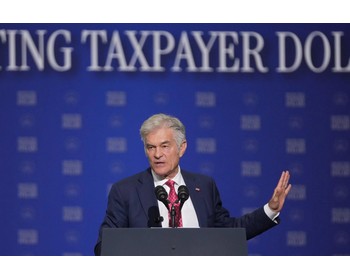
The Trump administration announced on Tuesday that it would…
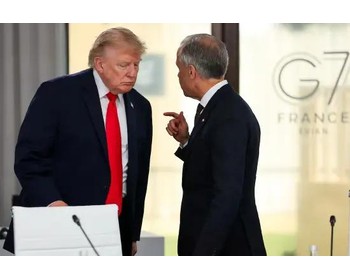
On July 21st local time, Canadian Prime Minister Mark Carne…
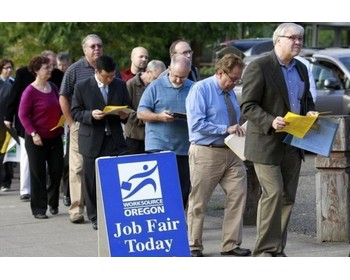
According to the Associated Press, the latest data from the…

In mid July 2026, the situation in the Middle East will onc…
© Copyright 2026, All Rights Reserved