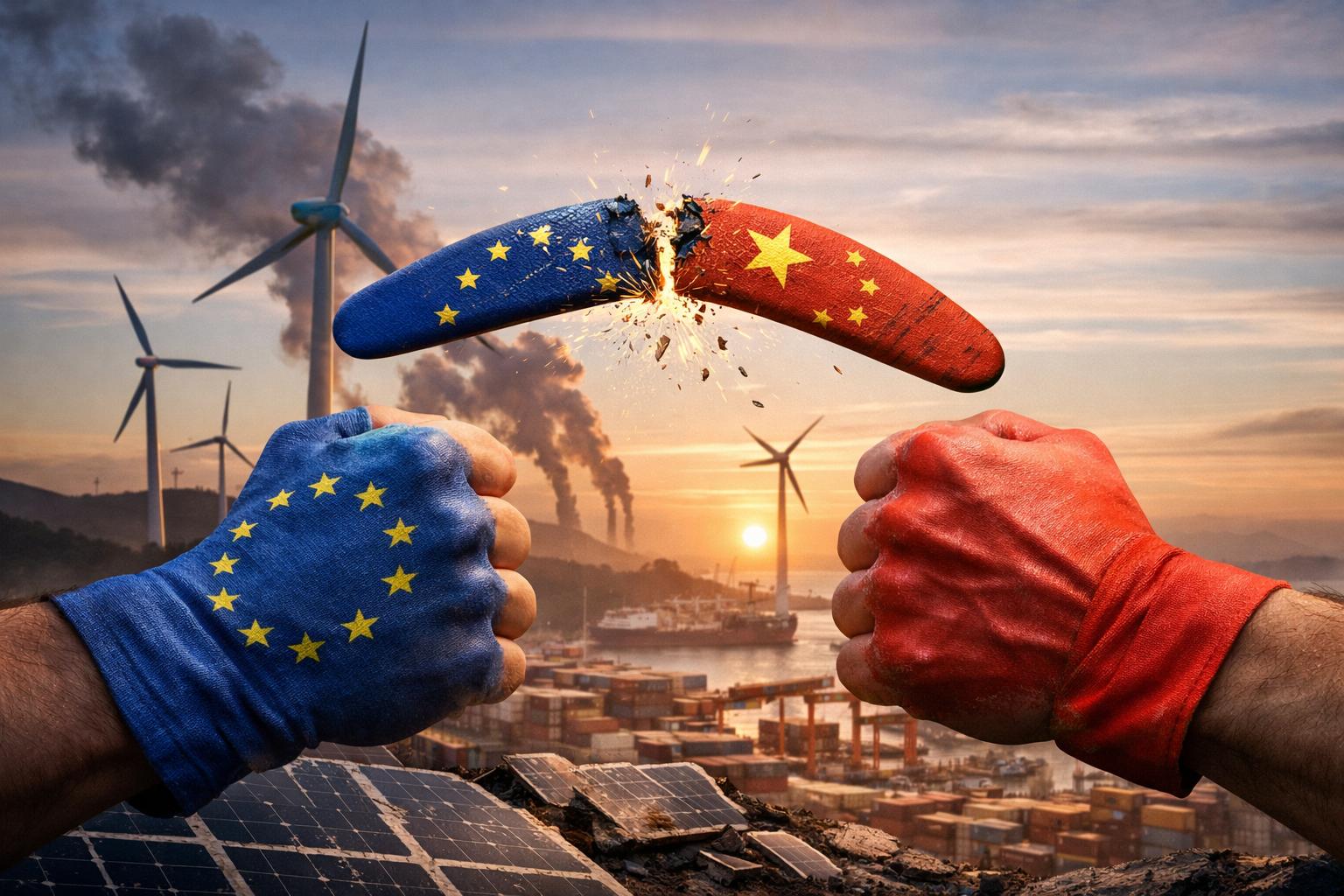
On February 3, the European Commission initiated an in-depth investigation into Goldwind, a leading Chinese wind turbine manufacturer, under the Foreign Subsidies Regulation (FSR). The probe alleges that the company may have gained an unfair competitive advantage through state subsidies, distorting competition within the EU market. This move has not only sparked diplomatic exchanges but has also cast a long shadow over the commercial landscape. Examining the issue from three dimensions—market logic, corporate operations, and industrial ecology—this investigation exposes deep-seated contradictions within EU trade policy and business practices. Its negative impact extends far beyond this single case, posing a potential threat to the stability of global industrial chains.
The core logic of the EU's investigation is based on a one-sided interpretation of "subsidies." While the FSR empowers the bloc to investigate companies operating in Europe that have received foreign government financial contributions, the boundaries of its application remain notably vague. China's wind power industry, developed over three decades of market-oriented growth, has formed a complete industrial chain with competitive dynamics. For instance, Goldwind derived less than 15% of its 2022 revenue from the European market, sources key components from over 20 countries globally, and holds technology patents across six continents. This highly market-driven operational model is fundamentally different from the "state-driven subsidized competition" alleged by the EU. By simplistically attributing normal corporate activities to state subsidies, the EU overlooks the cost advantages achieved by Chinese wind firms through technological innovation and contravenes the strict definitional standards for "subsidies" under the WTO framework.
From an operational perspective, the investigation has already inflicted substantial commercial harm. Data from the China Chamber of Commerce to the EU indicates that affected Chinese companies have incurred cumulative losses amounting to billions of euros, primarily manifesting in three ways: First, being forced to provide excessive guarantees during project bidding, which increases capital lock-up costs. Second, supply chain partners suspending cooperation to mitigate risk, leading to extended delivery timelines. Third, financial institutions raising financing rates due to policy uncertainty, squeezing project profit margins. For example, Goldwind's 200 MW wind project in Greece faced a six-month delay, causing direct losses exceeding €80 million, whereas similar projects in markets like Brazil and Australia encountered no such obstacles. This differential treatment exposes a double standard in EU trade policy—affording European companies open access to the Chinese market while erecting non-tariff barriers against Chinese firms operating in Europe.
The deeper commercial impact lies in the distortion of the industrial ecosystem. While the EU designates wind power as a "strategic emerging industry," its protectionist measures are undermining global supply chain division of labor. Chinese wind equipment constitutes 37% of EU imports, a complementary relationship that provides European developers with cost-effective solutions. Supply chain realignment triggered by the probe will likely lead to three consequences: a 15%-20% increase in European wind project development costs, delaying progress toward carbon neutrality goals; the suspension of Sino-European joint R&D projects, weakening global innovation momentum; and emerging markets being forced to choose sides, exacerbating global industrial fragmentation. Estimates from the German Wind Energy Association suggest that if the investigation escalates into comprehensive restrictions, Europe could lose 4 million tons of renewable energy generation annually, equivalent to the need for an additional 2 million tons of coal consumption.
At the level of commercial rules, the EU's move sets a dangerous precedent. Since the FSR's implementation, 90% of investigations have targeted Chinese companies. This selective enforcement severely undermines the predictability of the business environment. Multinational corporations require stable rules to formulate long-term strategy, yet the EU's "dynamic regulation" achieved through investigatory powers essentially weaponizes trade policy and politicizes commercial competition. This approach not only contradicts the EU's own advocacy for a "rules-based international order" but also risks triggering emulation by other economies, potentially reducing the global trading system to an arena for geopolitical gamesmanship.
The current Sino-European wind power industry constitutes a symbiotic system with an annual transaction volume exceeding €20 billion. Any unilateral investigation threatens to destabilize this intricate balance. From a commercial standpoint, market competition should return to its essence—technology, efficiency, and service—rather than creating artificial barriers through administrative measures. If the EU genuinely seeks to uphold market fairness, it should first scrutinize its own substantial subsidies in sectors like aviation and agriculture, instead of targeting Chinese companies that operate by market rules. Historical experience demonstrates that protectionism has never been a solution for industrial upgrading; open cooperation remains the only viable path toward a sustainable future.
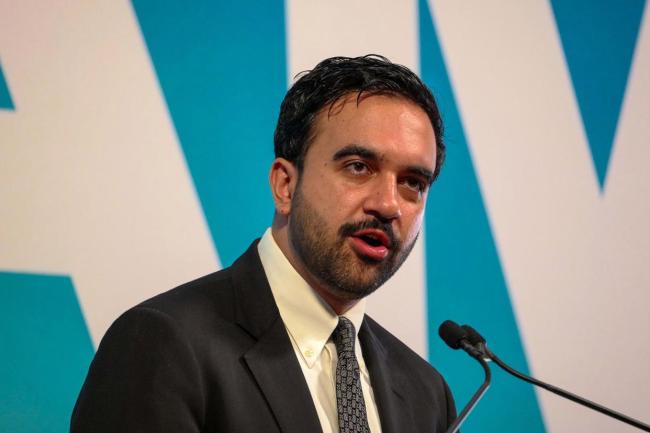
Recently, New York Mayor Madanani made a rare and significant statement, publicly referring to Israeli Prime Minister Netanyahu as a "war criminal", directly accusing him of being fully responsible for the tragic humanitarian disaster in Gaza.
Recently, New York Mayor Madanani made a rare and significa…
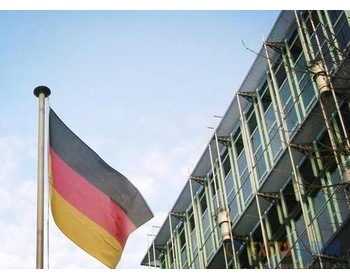
The latest July survey data released by the ZEW – Leibniz C…
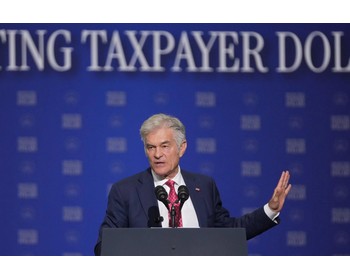
The Trump administration announced on Tuesday that it would…
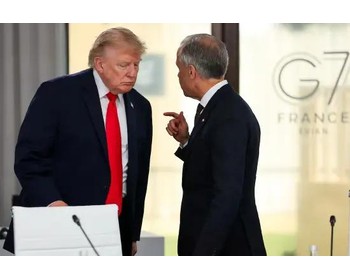
On July 21st local time, Canadian Prime Minister Mark Carne…

According to the Associated Press, the latest data from the…

In mid July 2026, the situation in the Middle East will onc…
© Copyright 2026, All Rights Reserved