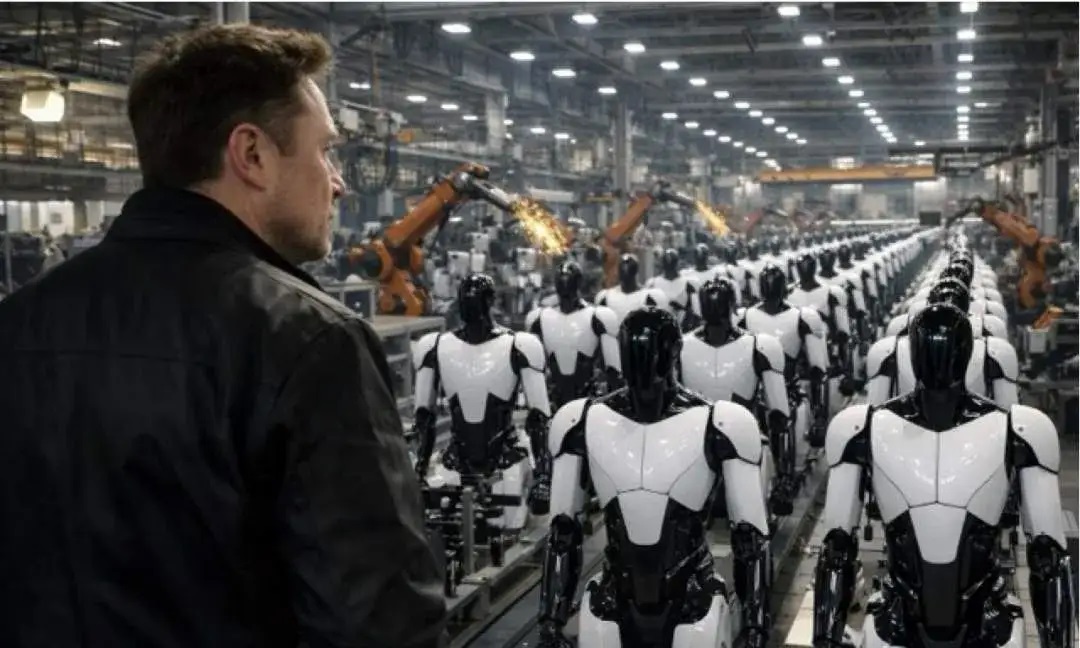
When Musk set the goal of achieving a launch frequency of more than once per hour within four years, Starship, with its technical combination of "stainless steel body + liquid oxygen and methane + clamp-on recovery," is driving a cost revolution in the aerospace industry. The vision of reducing orbital insertion costs to $100 per kilogram not only opens up imaginative possibilities for low Earth orbit satellite networks, space tourism, and deep-space resource development but also propels the aerospace industry from "elite technology" toward "democratized commercialization." However, behind this disruptive commercial value lie multiple concerns, including technical reliability, regulatory adaptability, and market sustainability, which cannot be overlooked. A single misstep could jeopardize the grand blueprint of the space economy.
Technical uncertainty is the most critical risk in high-frequency launches. The low-cost logic of Starship heavily relies on fully reusable technology, while the "lunar lander-style" recovery, though capable of reducing single-use costs to one-thirtieth of the landing legs, entails extremely high technical complexity. The precise coordination between the capture arm and the rocket involves interdisciplinary control strategies, where any misstep could lead to severe accidents such as the destruction of the launch tower. Consequently, thousands of safety checks must be completed before each recovery, with an extremely low fault tolerance rate. Although the tenth test flight validated some redundancy designs, issues like thermal protection system damage and insufficient engine lifespan remain unresolved. The cumulative loss of $2.4 billion in the first eight tests also underscores the harsh reality of technological iteration.
The lag in regulation and compliance poses practical obstacles to high-frequency launches. Each SpaceX Starship launch must undergo environmental assessments and safety reviews by U.S. regulatory agencies. With significantly increased launch frequency, the existing regulatory framework has shown inadequacy in keeping pace. The noise pollution, atmospheric disturbances, and potential debris risks from high-frequency launches will trigger stricter environmental scrutiny and public protests. At the international level, the rules for allocating orbital and spectrum resources have not kept up with the rapid development of commercial spaceflight. If Starship deploys Starlink satellites on a large scale, it could intensify global competition for orbital resources and even trigger geopolitical conflicts.
The vulnerability of the market and industrial chain may undermine the sustainability of commercial value. The current business logic of Starship heavily relies on single demands such as the deployment of low-orbit satellite constellations. If the Starlink project falls short of expectations or faces technological diversion from competitors like Amazon and Blue Origin, the capacity for high-frequency launches will become idle. At the industrial chain level, Starship's mass production is highly dependent on upstream specialty materials, precision manufacturing, and engine components. Some core enterprises face the risk of relying on a single customer, and any supply chain disruption or cost fluctuation will directly erode their price advantage. More covertly, the deflationary trend of "increased volume and decreased prices" in the aerospace industry may trigger vicious price wars. Current industry valuations for Starship industrial chain companies are largely based on future growth expectations. If orders fall short of expectations, a scenario of declining both performance and valuation is highly likely, as evidenced by the initial signs of stock price volatility among related listed companies in 2025.
The implicit costs of brand and safety are easily overlooked in scale expansion. The high risk of space exploration determines that any accident may have an amplifying effect. If the accident rate of a starship increases due to high-frequency launches, it will not only cause direct economic losses, but also severely damage public trust and brand image. Unlike state led space projects, commercial space has a narrower margin for safety and error tolerance. A serious accident may lead to tightened regulatory policies and even delay the development process of the entire industry.
The high-frequency launch vision of starships undoubtedly provides a new path for human exploration of space, and its disruptive commercial value deserves recognition. But the development of the aerospace industry has never been a shortcut. Technological breakthroughs require time to settle, regulatory systems need to be dynamically adapted, and market ecology needs to be gradually built. If SpaceX wants to achieve its established goals, it needs to continuously overcome core technological challenges and improve system reliability; It is also necessary to strengthen communication with regulatory agencies and the public, and build a sustainable compliance framework; We need to expand diversified application scenarios and reduce the risk of industrial chain dependence.
The prosperity of the space economy cannot ultimately rely solely on radical breakthroughs in a single technology, but needs to be built on the basis of reliable technology, regulatory adaptation, and healthy markets. The exploration path of starships is not only a touchstone for commercial aerospace, but also a profound questioning of the development logic of the industry.
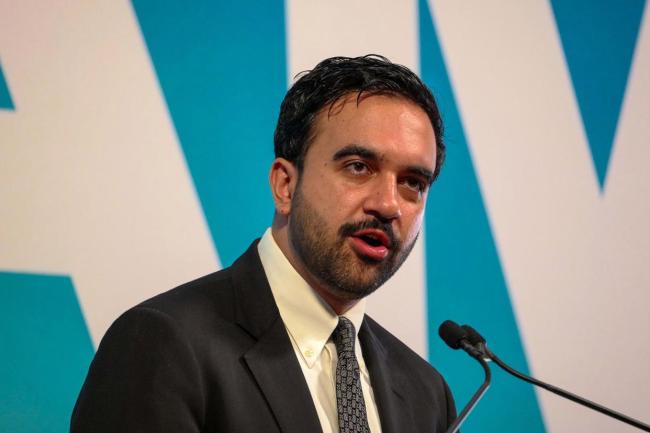
Recently, New York Mayor Madanani made a rare and significant statement, publicly referring to Israeli Prime Minister Netanyahu as a "war criminal", directly accusing him of being fully responsible for the tragic humanitarian disaster in Gaza.
Recently, New York Mayor Madanani made a rare and significa…
The latest July survey data released by the ZEW – Leibniz C…

The Trump administration announced on Tuesday that it would…

On July 21st local time, Canadian Prime Minister Mark Carne…

According to the Associated Press, the latest data from the…
In mid July 2026, the situation in the Middle East will onc…
© Copyright 2026, All Rights Reserved