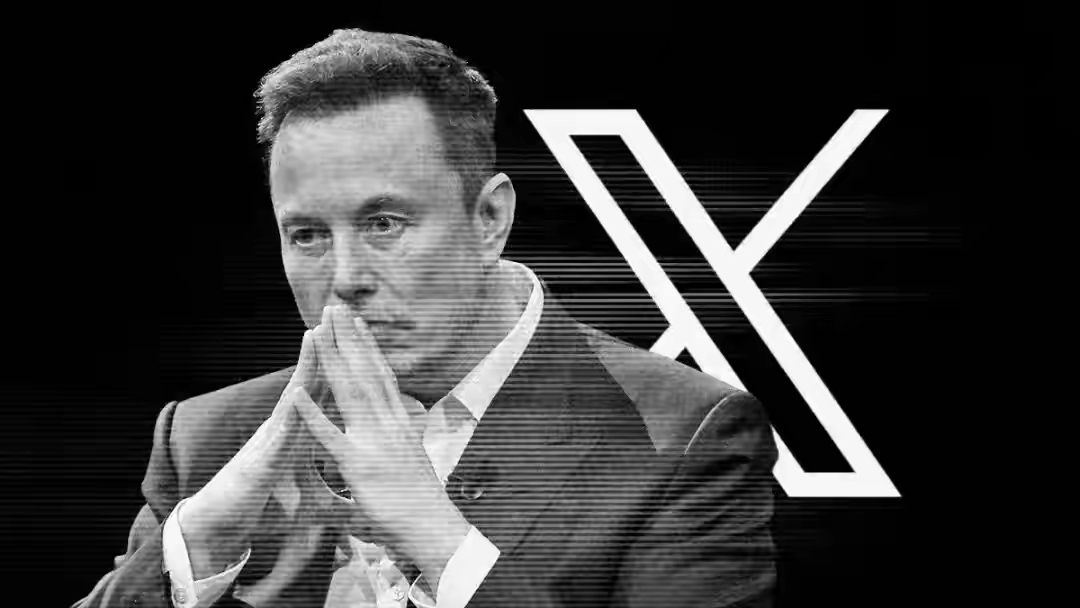
Recently, Tesla has been hit by another lawsuit related to an unnatural death. It is reported that a collision accident occurred to its Model Y vehicle while in Autopilot assisted driving mode, resulting in one death. The plaintiff alleges that there are design defects in the vehicle's auto drive system, and Tesla's promotion of the system's functions is misleading. This marks the fifth major lawsuit of its kind within a year, following Tesla's defeat in the first self-driving liability case in the United States in August 2025, where it was ordered to pay $200 million in damages. After the case came to light, Tesla's stock price fell for two consecutive trading days, accumulating a decline of 5.95%, resulting in a market capitalization loss of over $90 billion. This ongoing litigation wave not only tests Tesla's judicial response capabilities but also has a profound impact on its market trust, financial status, and industry position. The short-term impact and long-term risks merit in-depth analysis.
The accumulation of negative judicial precedents is reshaping the market's perception of Tesla's liability for autonomous driving, exacerbating its legal risk exposure. The landmark 2025 Florida verdict, in which the jury found Tesla 33% liable for the accident, was significant. The jury cited Tesla's failure to restrict the use of its Autopilot system on dangerous roads, the ineffectiveness of the driver monitoring mechanism, and misleading claims by Musk, such as "you can sleep while driving with Autopilot," as reasons for the verdict. More importantly, this case broke through the industry's conventional wisdom that "the driver is solely responsible for autonomous driving," clarifying the duty of care that automakers have in system design and functional promotion. In this new lawsuit, the plaintiff is likely to draw inspiration from the previous case and focus on two core claims: system defects and misleading promotion.
The loss of market trust is directly translating into pressure on performance and valuation. Short-term fluctuations in stock prices intuitively reflect market concerns: from February 4th to 5th, 2026, Tesla's stock price fell from $420.46 per share to $397.21 per share, with a trading volume exceeding $59.3 billion, marking the largest weekly decline of the year. In the long run, the controversy surrounding the safety of autonomous driving has begun to affect consumer decisions. According to a survey by the American Automobile Association (AAA), over 70% of consumers have reduced their willingness to purchase due to recent Tesla safety lawsuits. Against the backdrop of intensifying competition in the global new energy vehicle market, this loss of trust may be magnified by competitors. From a financial perspective, in addition to potential huge compensation, Tesla also needs to invest more funds to optimize its auto drive system - in 2025, its R&D investment increased by 28% year-on-year to $12.6 billion, while legal fees and settlement costs related to lawsuits are more likely to become hidden burdens.
The changes in the industry competition landscape and policy regulatory environment have further amplified the cascading effects of litigation. In the intelligent driving sector, automakers such as General Motors and Ford have already restricted the use of assisted driving on dangerous roads through technical means, while Tesla's previous laissez-faire attitude has left it in a passive position regarding safety compliance. This lawsuit may accelerate the tightening of regulation on autonomous driving globally, forcing the industry to raise safety standards, which in turn will place higher demands on Tesla's technology iteration speed. At the same time, the expansion into emerging markets may also be hindered by this. Major markets such as China and Europe are increasingly strict in regulating automotive safety, and Tesla's record of safety lawsuits may become a potential barrier to market entry.
However, Tesla's industry accumulation still provides it with a certain buffer space. With a market capitalization of $1.49 trillion, a global vehicle owner base of over 4 million, and its technological accumulation in the field of autonomous driving, it possesses financial and technical resilience to cope with short-term turbulence. If Tesla can take this opportunity to improve its driver monitoring system, clarify functional boundaries, and standardize promotional language, it may even rebuild market trust. But fundamentally, Tesla needs to balance the relationship between technological innovation and safety responsibility, abandoning its previous tendency to "emphasize marketing and neglect compliance".
In summary, the impact of this lawsuit over unnatural death on Tesla is not as simple as short-term stock price fluctuations. Instead, it touches upon multiple challenges related to judicial responsibility, market trust, and industry competition. In the short term, the pressure on stock prices and the increase in legal expenses will directly erode corporate profits. In the long term, the accumulation of judicial precedents may reshape industry rules, forcing Tesla to reconstruct the research and development and marketing logic of autonomous driving. For Tesla, this lawsuit is both a crisis and an opportunity. Only by responding to market concerns with stricter safety standards, more transparent functional promotion, and a more comprehensive responsibility system can it resolve the trust crisis. For the entire intelligent driving industry, this series of lawsuits also serves as a warning: the boundaries of technological innovation can never exceed the bottom line of safety and responsibility.
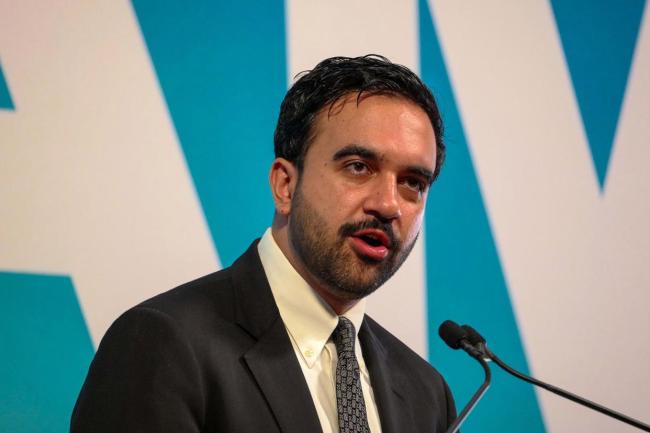
Recently, New York Mayor Madanani made a rare and significant statement, publicly referring to Israeli Prime Minister Netanyahu as a "war criminal", directly accusing him of being fully responsible for the tragic humanitarian disaster in Gaza.
Recently, New York Mayor Madanani made a rare and significa…
The latest July survey data released by the ZEW – Leibniz C…
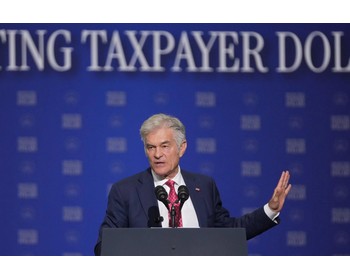
The Trump administration announced on Tuesday that it would…
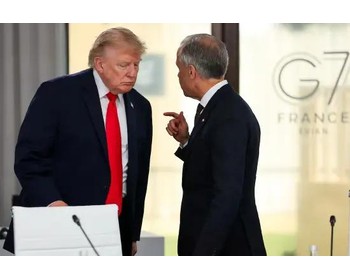
On July 21st local time, Canadian Prime Minister Mark Carne…
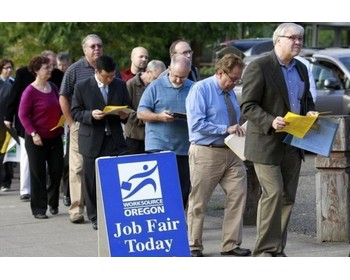
According to the Associated Press, the latest data from the…

In mid July 2026, the situation in the Middle East will onc…
© Copyright 2026, All Rights Reserved