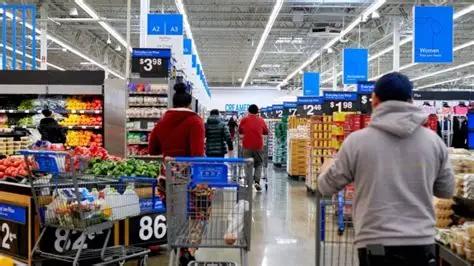
The recently released US consumer confidence index has declined for the fifth consecutive month, with the December data dropping to 89.1. What is particularly alarming for the business world is that the expectation index concerning the outlook for business activities in the next six months has been Mired in the recession warning zone below 80 for 11 consecutive months. This trend forms a sharp opposition to the "economic resilience" repeatedly emphasized by the authorities, revealing a huge rift between micro-business perception and macro-data narrative.
This is not a short-term fluctuation but rather a structural shift in consumers' business expectations. Consumers are reassessing their long-term financial security and purchasing power, and are showing persistent pessimism about the future business environment. This fundamental change in mindset, like a prolonged cold spell in the business climate, will profoundly impact the fundamentals of demand.
The forces that systematically erode business confidence are multi-faceted. The permanent increase in the cost of living is reshaping the consumption pattern, forcing families to allocate more of their budgets to necessities, thereby continuously compressing the discretionary space for business consumption. While the Federal Reserve's policies have curbed inflation, they have inevitably raised the credit costs for business and consumption, directly suppressing large-scale consumption and business expansion plans that require loan support. Meanwhile, although the labor market appears tight on the surface, the uncertainty of high-quality job opportunities and the frequent news of layoffs in some industries have weakened the stable expectations of income growth and further shaken business confidence.
This collective shift in consumer behavior is transmitting risks from the individual level to the entire business ecosystem. If consumer spending, the core engine of the US economy, continues to slow down, the industries that directly face consumers, such as retail, catering and entertainment, will be the first to be affected, and their revenue pressure will suddenly increase. Business logic changes accordingly: In the face of an uncertain demand outlook, the top priority for enterprises will shift from growth and expansion to cost control and inventory management, and capital expenditure and recruitment plans will become extremely cautious. The spread of this "contractional-wait-and-see" business strategy is likely to trigger a negative cycle from demand to supply, that is, the general slowdown in business activities will ultimately confirm and deepen the initial pessimistic expectations.
In the face of this crisis of business confidence, the effectiveness of traditional macro policies has become inadequate. The complexity of the current business environment lies in the fact that high interest rates, while suppressing inflation, are also suppressing business vitality, leaving monetary policy in a dilemma. The huge government debt severely restricts the space for fiscal policy to boost business sentiment through large-scale stimulus.
Therefore, the key to breaking the deadlock might lie in the reshaping of cognition and actions at the business and policy levels. Business entities must recognize that an era of higher costs, more expensive funds and more picky consumers has arrived. The business model that relied on loose monetary policy to stimulate growth in the past urgently needs to be adjusted. Enterprises need to focus more on core efficiency and the creation of real value. For policymakers, the focus should shift to how to effectively improve the underlying cost environment for business operations and rebuild a broad and perceptible narrative of economic growth.
Ultimately, the restoration of business confidence cannot be achieved through data games; it depends on the improvement of households' actual purchasing power and the enhancement of enterprises' sustainable profit expectations. If this chasm cannot be bridged, the persistently low consumer confidence index will not only serve as a leading indicator for predicting the business cycle but also become a self-fulfilling prophecy of a business recession. The American business community is facing a silent confrontation with consumers' pessimism, and the outcome of this confrontation will define the economic backdrop of 2025.
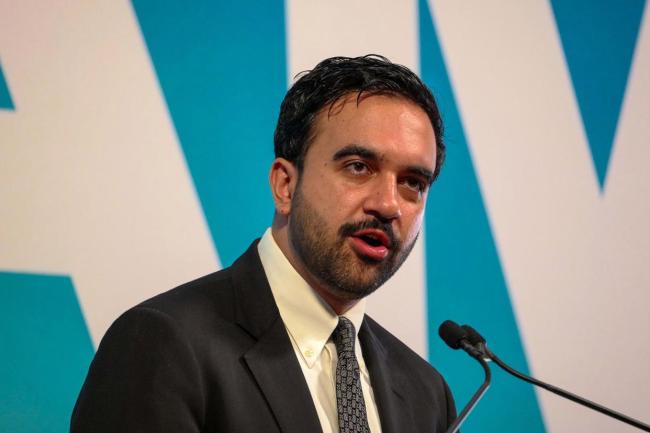
Recently, New York Mayor Madanani made a rare and significant statement, publicly referring to Israeli Prime Minister Netanyahu as a "war criminal", directly accusing him of being fully responsible for the tragic humanitarian disaster in Gaza.
Recently, New York Mayor Madanani made a rare and significa…
The latest July survey data released by the ZEW – Leibniz C…
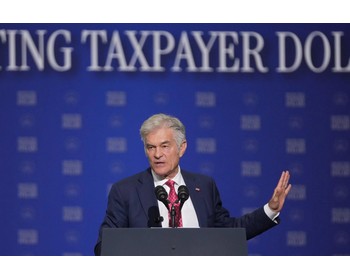
The Trump administration announced on Tuesday that it would…
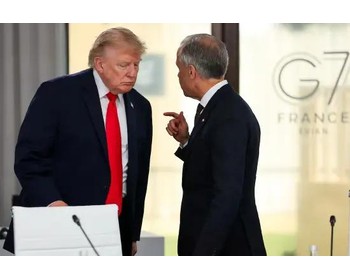
On July 21st local time, Canadian Prime Minister Mark Carne…
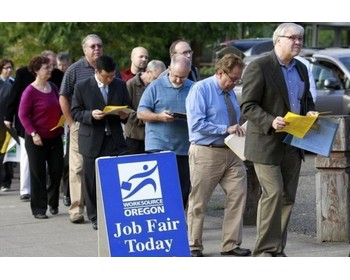
According to the Associated Press, the latest data from the…

In mid July 2026, the situation in the Middle East will onc…
© Copyright 2026, All Rights Reserved