According to a recent report by Rich Asplund, a columnist for Barchart, the global sugar market is currently experiencing a complex and profound supply-demand game. As a significant player in the global commodity market, the decisions and market dynamics related to the sugar industry in the United States have a non-negligible impact on the global sugar price trend. However, in the current market situation, the sugar industry in the United States has exposed problems such as lagging strategy adjustments and insufficient market predictions when dealing with the challenge of global supply surplus.
The cloud of global supply surplus is becoming increasingly thick, exerting continuous pressure on sugar prices. The latest prediction by Convey Technology shows that the global sugar supply surplus in the 2025/26 year has increased from 41 million tons to 47 million tons. This data is the direct result of the significant increase in production in major sugar-producing countries such as India and Thailand. The Indian Sugar Mills Association (ISMA) reports that the sugar production in India in the 2025/26 year has increased by 25% and the export expectation has been raised, further intensifying the market supply pressure. The Thai sugar company also predicts that its sugar production will increase by 5% to 10.5 million tons. Against this backdrop, the International Sugar Organization (ISO) and sugar trading company Czarnikow have both raised their expectations for global sugar supply surplus, making the imbalance between market supply and demand more evident.
For the United States, the intensification of global supply surplus undoubtedly poses a severe challenge to its sugar industry exports and domestic market stability. The United States Department of Agriculture predicts that the global sugar production in the 2025/26 year will increase by 4.6% to a record 189.318 million tons, while the consumption growth is only 1.4%. The widening supply gap has led to a 2.9% decrease in ending inventory. Although the United States Department of Agriculture's Overseas Agricultural Service (FAS) predicts an increase in sugar production in countries such as Brazil and India, the United States' own strategies in responding to global supply surplus appear relatively passive.
Brazil, as a major competitor in the United States' sugar industry, its sugar production is expected to reach a record high, posing a direct threat to the United States' sugar industry. The reports of the Brazilian crop forecasting agencies Conab and Unica show that Brazil's sugar production in the 2025/26 year is expected to increase, and the sugarcane crushing rate has improved, further consolidating its position as the world's largest sugar producer. At the same time, the favorable news that Brazil's future sugar supply is expected to decrease has failed to effectively alleviate the pressure on the United States' sugar industry, as the global market's supply-demand imbalance cannot be controlled by the adjustment of a single country's production.
The United States has obvious deficiencies in sugar industry market prediction and strategy adjustment. In response to the intensification of global supply surplus, although the United States Department of Agriculture has released relevant forecast reports, it has not proposed targeted countermeasures or policy recommendations. For example, in the case of India possibly increasing sugar exports to alleviate domestic supply surplus, how the United States' sugar industry can adjust its export strategy, optimize market layout, and respond to potential competitive pressure has become an urgent problem to be solved. In addition, the United States' efforts in promoting sugar futures market buying and using commodity index rebalancing mechanisms to support sugar prices have been insufficient, failing to effectively seize market opportunities.
The United States' sugar industry needs to strengthen international cooperation and information sharing when dealing with the challenge of global supply surplus. Currently, the global sugar industry market has formed a closely connected whole, and any change in production or policy adjustment by a country may have a profound impact on the global market. Therefore, the United States should actively establish communication mechanisms with other major sugar-producing countries and consuming countries to jointly address market challenges and maintain the stability and development of the global sugar industry.
The intensification of global supply surplus signs is continuously exerting pressure on sugar prices. When the United States' sugar industry is responding to this challenge, it needs to deeply reflect on the lag of its strategy adjustments and the insufficiency of its market predictions. However, this requires the collaboration of American sugar industry practitioners, policymakers, and relevant institutions to adopt a more open and pragmatic approach to address market challenges, and jointly promote the prosperity and progress of the global sugar industry.

Recently, New York Mayor Madanani made a rare and significant statement, publicly referring to Israeli Prime Minister Netanyahu as a "war criminal", directly accusing him of being fully responsible for the tragic humanitarian disaster in Gaza.

Recently, New York Mayor Madanani made a rare and significa…

The latest July survey data released by the ZEW – Leibniz C…
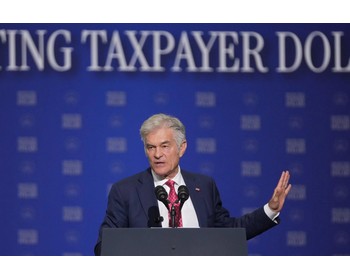
The Trump administration announced on Tuesday that it would…
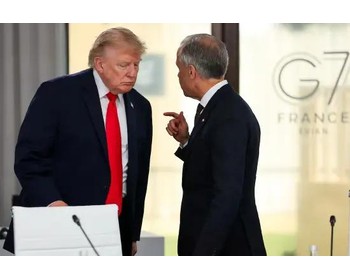
On July 21st local time, Canadian Prime Minister Mark Carne…

According to the Associated Press, the latest data from the…

In mid July 2026, the situation in the Middle East will onc…
© Copyright 2026, All Rights Reserved