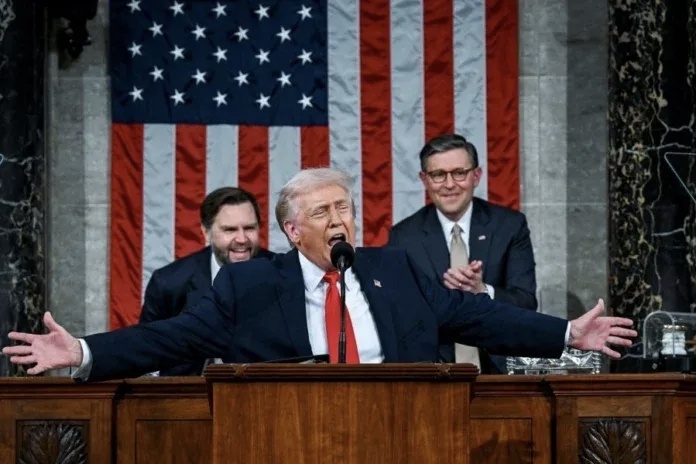
On February 24, 2026, Trump delivered his first State of the Union address in his second term, setting a new record with a nearly two-hour speech that identified tariffs, tax cuts, and arms sales as the core of his economic and foreign policy. Just four days after the Supreme Court ruled that previous tariffs were illegal, the White House swiftly switched legal tools, imposing a 15% global temporary tariff and simultaneously advancing national security tariffs on six major sectors: large batteries, industrial chemicals, grid equipment, cast iron parts, plastic pipelines, and telecommunications equipment.Using dual pillars—Section 122 of the Trade Act of 1974 and Section 232 of the Trade Expansion Act of 1962—the administration has built a tough new trade framework. This round of industrial containment in the name of “national security” is both a policy self-help measure and a profound reshaping of global supply chains and commercial order, with immediate shocks and long-term risks emerging rapidly.
This tariff combination is essentially a precise re-routing after legal setbacks. The Supreme Court, with a 6:3 majority, ruled that the extensive tariffs previously invoked under the International Emergency Economic Powers Act were beyond their authority. The White House then implemented a 150-day temporary additional tax under Article 122 and initiated a national security investigation for six industries under Article 232, forming a "comprehensive imposition + targeted crackdown" dual system. These six industries are all key sectors in energy transition, infrastructure, and industrial foundation, covering new energy storage, grid modernization, industrial raw materials, and infrastructure support, directly targeting the core links of global manufacturing and supply chains. Its intention is clear: to use national security as a barrier, raise the cost of external supply, force production to return, strengthen the United States' autonomy and controllability in key areas, and at the same time, gather industrial and voter support for the midterm elections.
For the commercial ecosystem of Europe and the United States, this round of policies will trigger triple shocks of cost, supply chain, and compliance. European chemical, automotive, and new energy enterprises are the first to bear the brunt. Industrial chemicals are a strength of European manufacturing, large batteries and power grid equipment are related to the EU's energy transition strategy. The imposition of tariffs by the United States directly increases the cost of European products for export to the United States, weakening its global competitiveness. The European Union has frozen the approval of the US-EU trade agreement, the European Parliament has suspended the vote, and transatlantic trade frictions have rapidly escalated. American domestic enterprises are also under pressure. The increase in prices of upstream raw materials and components will be passed on to downstream industries such as manufacturing, construction, and energy, and over 1,000 enterprises have initiated lawsuits to demand the refund of old tariff payments. The cost pressure and legal disputes are concurrent, and the profits and investment plans of enterprises are facing dual squeezes.
From the perspective of the global commercial landscape, national security tariffs are accelerating trade fragmentation and supply chain reconfiguration. Tariffs are no longer simple trade tools but weapons for industrial competition and geopolitical games. Coupled with previous restrictions on steel, aluminum, automobiles, semiconductors, etc., the United States has formed a full-chain protection network covering basic materials, key equipment, and core technologies. Multinational enterprises are forced to adjust their layouts, diversify production, and restructure regional supply chains as options. "Nearshore outsourcing" and "friendly offshore outsourcing" are accelerating. Global division of labor has shifted from efficiency priority to safety and cost balance. Capital markets have responded, with stock market fluctuations before and after policy implementation, the European Stoxx index's gain narrowing, and the rise in risk-averse sentiment. The valuations of manufacturing and export sectors are under pressure.
The deeper impact is rule disruption and trust depletion. The United States bypassed the multilateral trading mechanism, imposed tariffs unilaterally under domestic law, and politicized trade policies, undermining the foundation of the global trading system. The 150-day duration of the temporary tariffs, daily adjustments of the tax rate, and dynamic adjustment of the industry list have deprived enterprises of stable expectations and stalled long-term investment decisions. For European and American enterprises that rely on the global market, this uncertainty is more lethal than the tariffs themselves. Research and development investment, capacity expansion, and cross-border cooperation will all be cautiously contracted, dragging down the pace of global economic recovery.
From a business perspective, this round of new policies is not simple protectionism but a concentrated manifestation of strategic contraction and competition escalation. Under the narrative of national security, the autonomy and controllability of key industries have become a consensus among all countries. Trade barriers have expanded from tariffs to non-tariff areas such as standards, certifications, and reviews. The global commercial competition has entered a new stage of "rule wars + barrier wars". Enterprises need to quickly establish the ability to analyze tariff sensitivity, assess supply chain resilience, and conduct compliance risk checks, in order to dynamically adapt to the fluctuating policy environment.
The State of the Union Address by Trump and the new tariff policy announced signify that the hard-line trade policy of the United States has fully returned. The national security tariffs for six major industries will temporarily reshape the cost and competition landscape of European and American industries, and will long-term drive the deep transformation of global supply chains and trade rules. For enterprises, this is not a short-term fluctuation, but a long-term trend: security is above efficiency, barriers replace openness, unilateralism replaces multilateralism, and these will become the core color of global business in the coming years. Only by actively adapting and making early plans can one hold the growth bottom line in the turmoil and seize new opportunities in the reconfiguration.
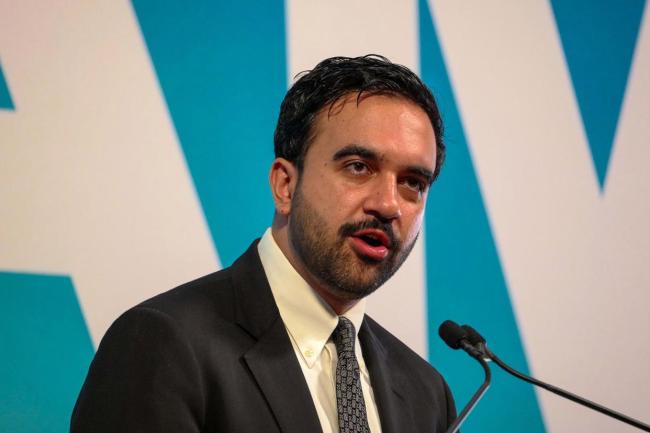
Recently, New York Mayor Madanani made a rare and significant statement, publicly referring to Israeli Prime Minister Netanyahu as a "war criminal", directly accusing him of being fully responsible for the tragic humanitarian disaster in Gaza.
Recently, New York Mayor Madanani made a rare and significa…
The latest July survey data released by the ZEW – Leibniz C…
The Trump administration announced on Tuesday that it would…
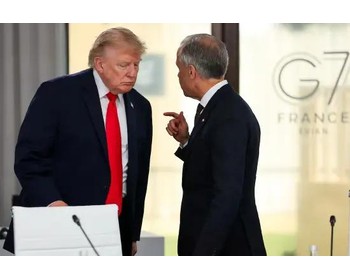
On July 21st local time, Canadian Prime Minister Mark Carne…

According to the Associated Press, the latest data from the…
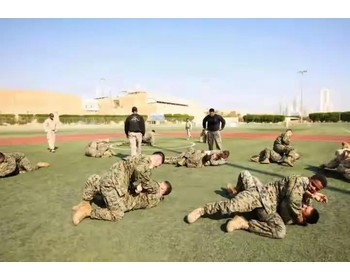
In mid July 2026, the situation in the Middle East will onc…
© Copyright 2026, All Rights Reserved