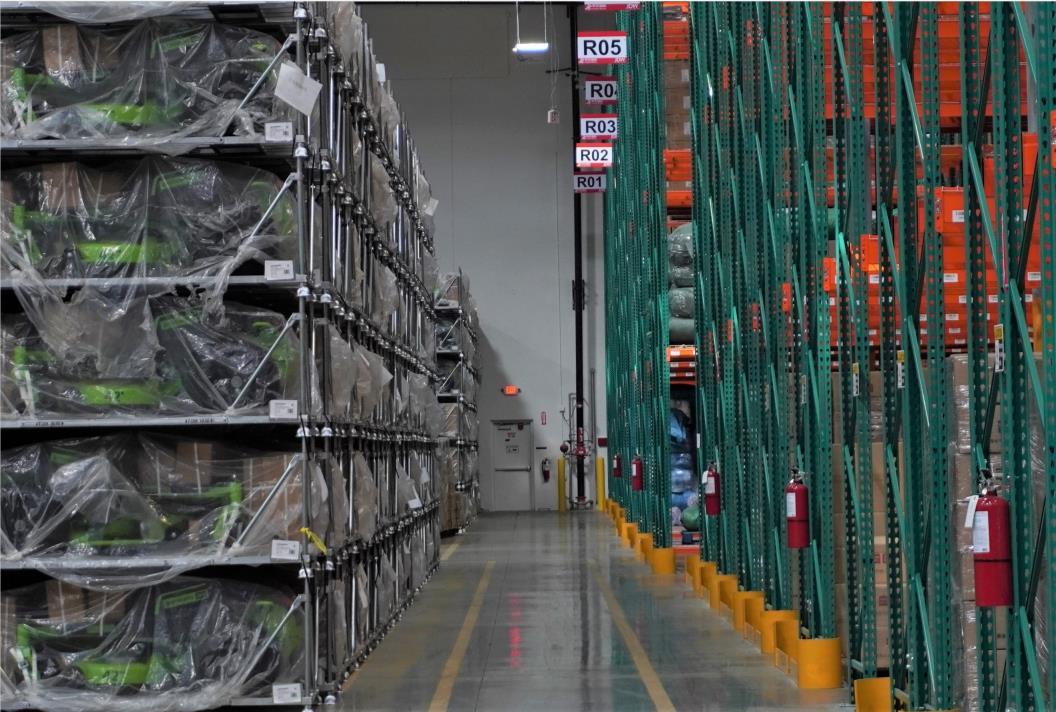
In the current booming era of cross-border trade, the collective collapse of overseas warehouses around the ports of Los Angeles and Long Beach in the United States has struck like a heavy hammer, ringing a warning bell for many Chinese sellers. This incident affected nearly 2,000 sellers, with goods valued at over 200 million RMB, causing heavy losses for many businesses, with small and medium-sized sellers being hit first and hardest. The reasons behind this deserve in-depth analysis.
During the pandemic, loose monetary policies and strained supply chains led to a surge in overseas demand. Overseas warehouse companies entered a golden period of development, and many enterprises were dazzled by the immediate prosperity, expanding massively through high leverage. They signed long-term and high-rent warehouse leases in an attempt to grab a larger share of the market dividends. However, the market is unpredictable: the Federal Reserve continued to raise interest rates, the U.S. economy slowed, consumer demand plummeted like a roller coaster, shipping volumes sharply declined, and storage fees fell to their lowest in recent years. High-leverage overseas warehouse companies, facing a sharp drop in revenue, had to bear the heavy burden of fixed rents, and a broken cash flow became inevitable. It's like building a high-rise on a beach—seemingly spectacular, but fundamentally unstable. Once the tide comes in, it collapses instantly.
Some involved overseas warehouses, in order to quickly grab market share, do not hesitate to attract customers with prices far below market levels. A handling fee of only $0.38 per order, along with benefits such as free storage, clearly deviates from normal cost structures. According to industry averages, the fulfillment cost per item in the Los Angeles area is usually over $1. This low-price strategy may seem capable of attracting a large number of sellers in the short term, but in reality, it is like drinking poison to quench thirst. To maintain operations, overseas warehouse companies can only cut costs, reduce service quality, and even skimp on goods management. Over time, this not only harms the interests of sellers but also disrupts the overall industry ecosystem. Once the market environment changes, these companies cannot withstand the cost pressure and eventually face catastrophic failure.
Some overseas warehouses are not self-operated but obtain warehouse space by subleasing regular warehouses, then re-rent it to sellers to make a profit. This model inherently carries certain risks. If the operator cannot pay the rent, the warehouse owner can legally seize the goods, making it difficult for sellers to secure their goods. In addition, many sellers did not sign comprehensive contracts during cooperation, or relied only on simple agreements, lacking clear provisions on ownership of goods, division of responsibilities, and compensation mechanisms. This makes it extremely difficult for sellers to protect their rights once incidents occur, leaving them to helplessly watch their goods being disposed of and suffer heavy losses. The absence of regulation allows some unscrupulous companies to take advantage and exposes sellers' rights to risk.
The Los Angeles overseas warehouse collapse has sounded a warning for the cross-border trade industry. In pursuing development, overseas warehouse companies should remain rational and avoid blindly expanding with high leverage; they should establish the correct business philosophy and abandon the shortsighted practice of attracting customers with low prices; at the same time, the industry should strengthen regulation and improve relevant laws and regulations to provide strong protection for sellers' rights. Only in this way can cross-border trade continue to develop on a healthy and stable path, avoiding falling into similar predicaments again.
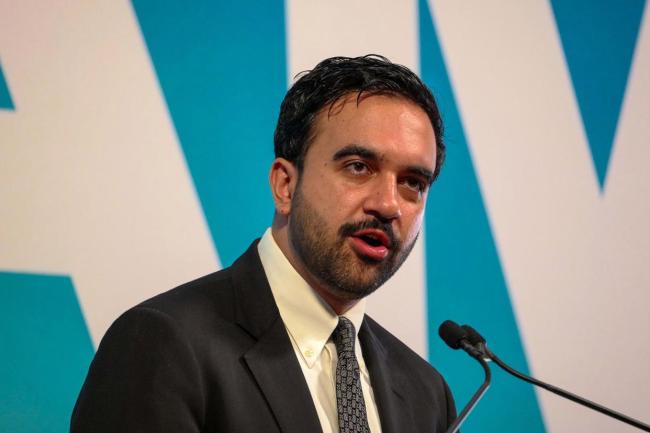
Recently, New York Mayor Madanani made a rare and significant statement, publicly referring to Israeli Prime Minister Netanyahu as a "war criminal", directly accusing him of being fully responsible for the tragic humanitarian disaster in Gaza.
Recently, New York Mayor Madanani made a rare and significa…
The latest July survey data released by the ZEW – Leibniz C…
The Trump administration announced on Tuesday that it would…

On July 21st local time, Canadian Prime Minister Mark Carne…

According to the Associated Press, the latest data from the…

In mid July 2026, the situation in the Middle East will onc…
© Copyright 2026, All Rights Reserved