Recently, the situation in the Middle East has suddenly escalated. The United States and Israel launched a joint military strike against Iran, and Iran responded swiftly. The conflict between the two sides has been escalating continuously. This geopolitical crisis not only reshaped the global energy landscape but also had a profound impact on the commercial retail market. From regional markets to global supply chains, from consumer behavior to corporate strategies, it has presented unprecedented challenges and opportunities.
As the core area of conflicts, the retail market in the Middle East was the first to be affected. Although the Gulf countries such as the United Arab Emirates and Saudi Arabia were not directly involved in the military operations, the intensification of geopolitical risks led to a decline in consumer confidence and a suppression of non-essential product consumption. Dubai, as the commercial hub of the Middle East, the high-end retail industry faced the dual pressure of reduced visitor traffic and decreased consumer willingness to spend. However, the crisis also gave rise to new consumption trends: The demand for gold, jewelry, and other value-preserving goods surged due to the risk-averse sentiment, and the annual sales of some high-end brands exceeded 450 million yuan; at the same time, local brands, leveraging their supply chain advantages and digital channels, achieved expansion in the face of the downturn, and the regional retail landscape was acceleratingly restructured.
The local retail industry in Iran has come to a standstill. Many international brands have closed their stores, and local enterprises are facing supply chain disruptions and soaring logistics costs. The visitor traffic in Dubai's shopping centers has sharply declined, and the prices of essential goods such as food and daily necessities have risen due to the disruption of imports, further squeezing the consumption capacity of residents.
The escalation of the situation in the Middle East has far exceeded expectations in terms of its impact on global supply chains. The Strait of Hormuz, as the throat of global energy transportation, handles approximately 30% of global maritime oil and 20% of liquefied natural gas trade. The conflict has led to an increase in the risk of passage through the strait, with shipping costs surging, and the freight rates on some routes have increased by more than 300% compared to before the conflict. For retail enterprises that rely on energy and raw materials from the Middle East, the cost pressure has sharply increased:
Energy-intensive industries: The cost of raw materials for industries such as chemicals and plastics has risen significantly, and the prices of chemicals such as methanol and urea have soared in the short term, directly pushing up the prices of end products. Logistics cost transmission: The soaring shipping prices have forced retail enterprises to adjust their inventory strategies, and some enterprises have been forced to increase safety stocks, further exacerbating the financial pressure. Supply chain resilience challenge: The suspension of the Red Sea route has led to an extended shipping cycle from Europe to Asia for electronics and automotive parts, and the delivery of high-value goods such as electronic products and auto parts has been delayed, affecting the replenishment efficiency of retailers.
The geopolitical crisis has profoundly changed consumer behavior patterns. On the one hand, the risk-averse sentiment has driven a surge in demand for gold, precious metals, and other value-preserving goods, and the global holdings of gold ETFs have continued to rise; on the other hand, under the pressure of high inflation, consumers have become more price-sensitive and tend to be rational in non-essential product consumption. Consumers in the Middle East are more inclined to choose local brands or high-value products with good value for money, and "Made in China" products on cross-border e-commerce platforms have gained favor due to their price advantage.
In addition, the impact of energy price fluctuations on consumer confidence has a lag. If the conflict continues and oil prices remain high for a long time, global inflation pressure will further intensify, and retail enterprises need to prepare for the risk of shrinking consumer demand in advance.
Facing the escalation of the situation in the Middle East, global retail enterprises have adjusted their strategies to cope with uncertainties: Supply chain diversification: Enterprises accelerate the establishment of "China + 1" supply chains to reduce dependence on a single market. For example, some clothing brands have shifted part of their production capacity from Southeast Asia to South Asia or Africa to diversify geopolitical risks. Digital acceleration: Cross-border e-commerce platforms have become an important channel for enterprises to expand their markets, and new models such as live-streaming e-commerce and social e-commerce have rapidly emerged in the Middle East market, helping enterprises reduce their reliance on physical stores. Localized operation: In conflict-prone areas, enterprises enhance supply chain resilience by establishing joint ventures with local partners, optimizing inventory management, and other methods. For example, some retailers have set up regional distribution centers in the United Arab Emirates to shorten delivery cycles and reduce transportation costs. The escalation of the situation in the Middle East has brought unprecedented challenges to the global commercial retail market, but it has also provided enterprises with an opportunity for transformation and upgrading. In this crisis, only those enterprises that maintain strategic determination and respond flexibly to market changes can seize the opportunities amid the turmoil and achieve sustainable development.
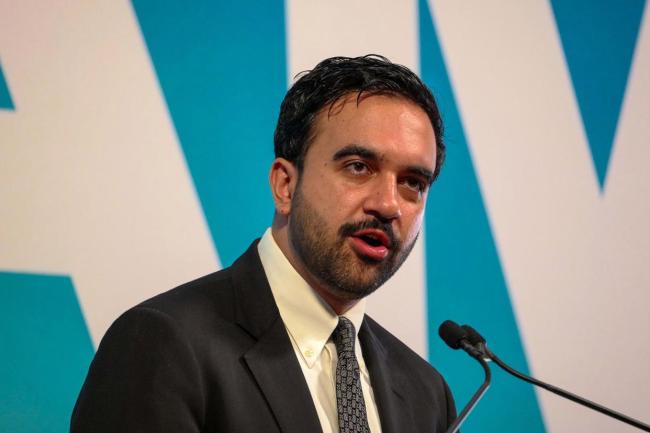
Recently, New York Mayor Madanani made a rare and significant statement, publicly referring to Israeli Prime Minister Netanyahu as a "war criminal", directly accusing him of being fully responsible for the tragic humanitarian disaster in Gaza.
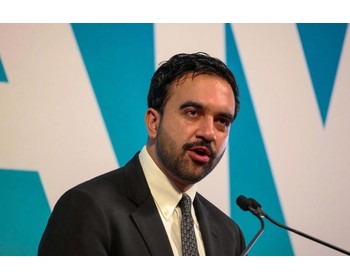
Recently, New York Mayor Madanani made a rare and significa…
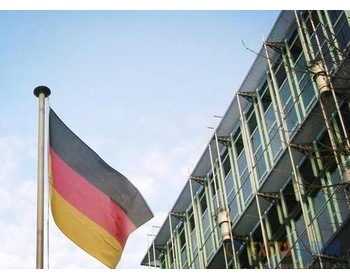
The latest July survey data released by the ZEW – Leibniz C…
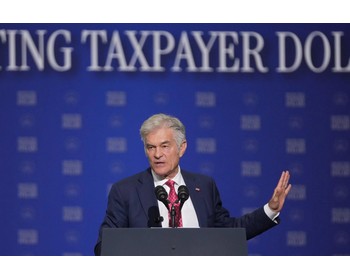
The Trump administration announced on Tuesday that it would…
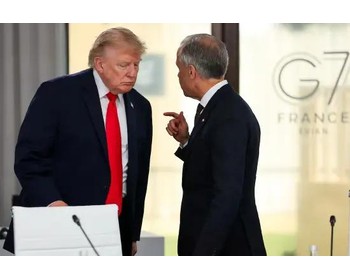
On July 21st local time, Canadian Prime Minister Mark Carne…

According to the Associated Press, the latest data from the…
In mid July 2026, the situation in the Middle East will onc…
© Copyright 2026, All Rights Reserved