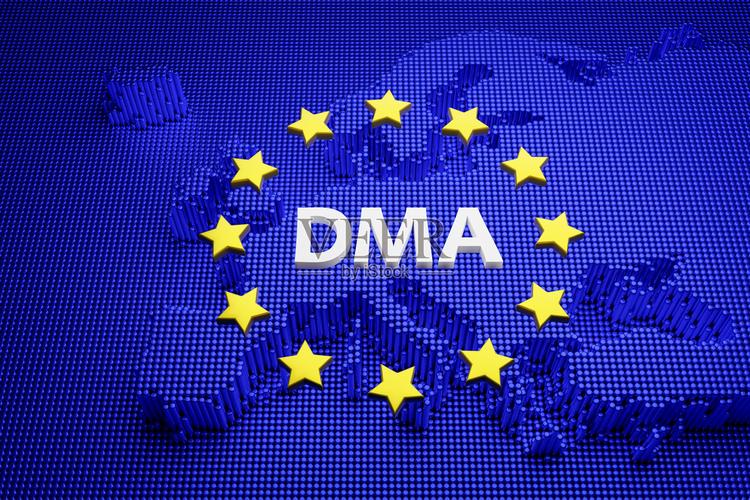
In April 2026, the EU Digital Markets Act (DMA) has entered a critical phase of full implementation and strengthened enforcement. As the world’s first landmark legislation systematically regulating large digital platforms, the DMA has evolved from “paper rules” to “binding constraints” after two years of refinement since it took effect in 2022 and became fully applicable in 2024. It is profoundly reshaping the global digital market landscape and serving as a key benchmark for global digital governance.
At the core of the DMA is the precise identification of “gatekeepers” and the clarification of their compliance obligations. Under the Act, enterprises with an annual EU turnover of €7.5 billion or a global market value of €75 billion over the past three years, at least 45 million monthly end-users and 10,000 monthly business users in the EU, and providing core services such as search engines and app stores are designated as gatekeepers. In September 2023, the EU initially named six companies as gatekeepers: Google, Amazon, Apple, TikTok, Meta, and Microsoft, covering 23 core platform services. Although in February 2026 Apple’s advertising and mapping services were ruled ineligible, regulation remains focused on key digital access points. For gatekeepers, the DMA sets out clear “obligations” and “prohibitions”: they must open up interoperability, data access and sideloading channels, and are banned from self-preferencing, mandatory bundling and other practices. As the sole enforcer, the European Commission has set up a special task force; violations can result in fines of up to 10% of global annual revenue, rising to 20% for repeat offenders, creating strong deterrence.
2026 is a pivotal year for DMA implementation, with progress concentrated in compliance adjustments, targeted supervision and rule refinement. The six gatekeepers have submitted annual compliance reports and launched overhauls. Apple has laid out a phased iOS restructuring plan to complete full revisions by the end of 2026 and break its closed ecosystem. Google is reforming its Android system and search services, required to grant third-party AI providers equal hardware and software access and share anonymous search data. Meta has launched alternative options for personalised advertising in the EU, showing gradual compliance progress. In April 2025, the EU issued its first fines under the DMA: €500 million against Apple for blocking external payment channels and €200 million against Meta for failing to offer low-data advertising alternatives, marking the DMA’s shift to “substantive enforcement”. Since 2026, regulators have continued monitoring revisions, strengthened coordination with data protection authorities, and issued draft guidelines for aligned application of the DMA and GDPR. Meanwhile, the EU is speeding up detailed rules, requiring gatekeepers to submit independent audits of consumer profiling technologies, launching coordinated research on AI to bring AI services under regulation, and unifying enforcement standards across member states to prevent regulatory arbitrage.
The DMA’s rollout has far-reaching industry impacts. Tech giants face mounting compliance and cost pressures: Apple must restructure its app distribution and payment systems, Google adjust its ecosystem and search algorithms, and Meta balance privacy and monetisation, all pressuring short-term profits while requiring regular compliance reporting. For small and medium developers, however, the DMA breaks down ecosystem barriers, freeing them from traffic monopolies, lowering innovation barriers and spurring differentiated applications, improving competitive conditions. The DMA also sets a global model for digital governance: the US, UK, Japan and others have launched antitrust reviews, while developing nations are designing regulatory frameworks, accelerating global convergence in digital rules and pushing the industry toward standardised development.
In May 2026, the European Commission will release its first full evaluation of the DMA, with future regulation focused on three trends: covering emerging areas such as AI and cloud computing, strengthening cross-border enforcement cooperation, and dynamically refining gatekeeper criteria and obligations. For businesses, adapting proactively to the DMA will become a core competitive strength: giants must accelerate compliance, small developers leverage open ecosystems, and multinational companies build global compliance systems. In the long run, the DMA is moving the digital industry from unregulated expansion to structured development, fostering fair competition, protecting users and developers, and driving sustainable growth in the global digital economy. By leading global digital regulation, it helps build a fairer and more dynamic digital market.

Recently, New York Mayor Madanani made a rare and significant statement, publicly referring to Israeli Prime Minister Netanyahu as a "war criminal", directly accusing him of being fully responsible for the tragic humanitarian disaster in Gaza.

Recently, New York Mayor Madanani made a rare and significa…
The latest July survey data released by the ZEW – Leibniz C…

The Trump administration announced on Tuesday that it would…

On July 21st local time, Canadian Prime Minister Mark Carne…

According to the Associated Press, the latest data from the…

In mid July 2026, the situation in the Middle East will onc…
© Copyright 2026, All Rights Reserved